
Refraction is one of the most critical steps in determining accurate vision correction. Every prescription relies on the precision of measurements taken during the eye examination. As patient expectations rise and visual demands increase, clinicians must deliver results that are both reliable and consistent. Automation in refraction is helping practices meet these expectations with greater confidence.
Modern eye care no longer depends solely on manual techniques and subjective responses. Instead, digital tools and intelligent systems are enhancing accuracy, reducing variability, and supporting clinical decision-making. Automation is not replacing professional expertise—it is strengthening it.
The Challenges of Traditional Refraction Methods
Traditional refraction techniques rely heavily on patient feedback. While subjective refinement remains valuable, results can vary due to patient fatigue, misunderstanding of instructions, or difficulty comparing subtle differences in clarity. Environmental factors and clinician fatigue can also introduce small inconsistencies.
These variations, even when minor, may influence the final prescription. For patients with higher refractive errors or complex visual conditions, small deviations can significantly impact comfort and clarity. This is why reducing variability has become a priority in modern optometry.
Automation addresses these challenges by introducing objective measurement systems that provide consistent baseline data before subjective refinement begins.
Objective Measurement as a Foundation for Confidence
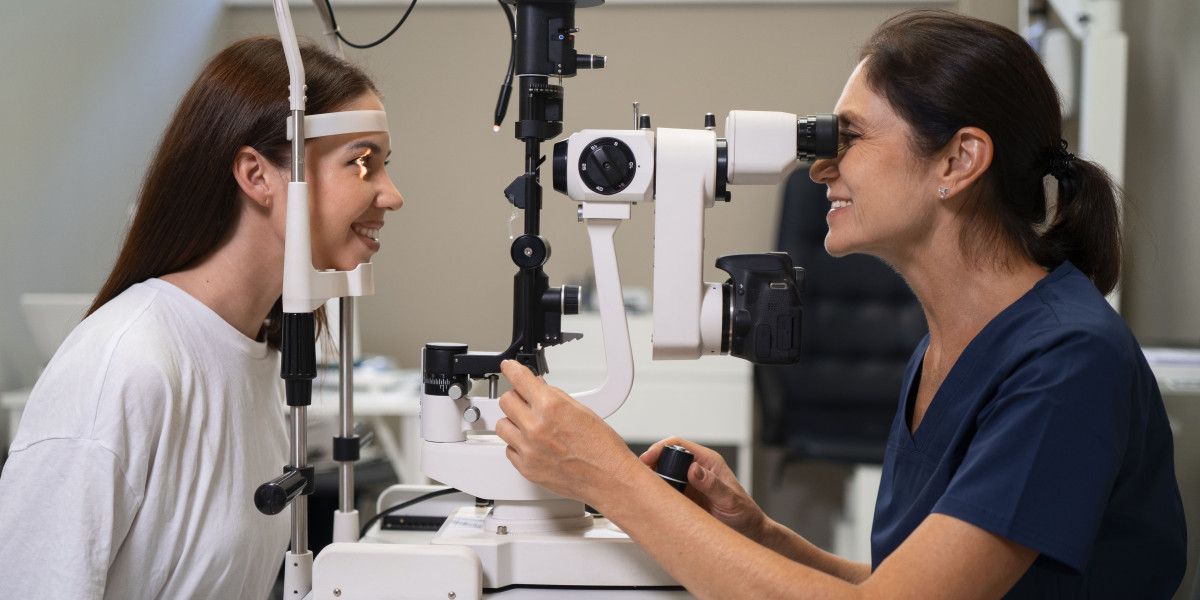
One of the most significant advantages of automation is its ability to produce repeatable and standardized measurements. An automatic refractometer plays a key role in capturing accurate refractive data by analyzing how light reflects from the retina. This objective starting point minimizes guesswork and ensures that clinicians begin with reliable information.
When practitioners have dependable baseline readings, they can approach subjective refinement with greater certainty. Instead of questioning initial values, they focus on fine-tuning the prescription. This improves both efficiency and clinical assurance.
Confidence grows when data is consistent, repeatable, and supported by technology designed to minimize human error.
Reducing Human Error and Fatigue
Manual measurements require sustained concentration and precision. Over the course of a busy day, fatigue can subtly influence performance. Automation reduces the burden on clinicians by standardizing critical steps in the refraction process.
Digital systems guide alignment, focus, and measurement procedures with built-in calibration controls. This minimizes the risk of misalignment or inconsistent positioning. As a result, the data collected remains stable regardless of patient volume or time of day.
By reducing the influence of fatigue and manual variability, automation strengthens clinical reliability and allows practitioners to maintain high standards throughout their schedules.
Enhancing Workflow Efficiency
Efficiency is essential in modern clinical environments. Patients expect shorter waiting times without compromising the quality of care. Automated systems accelerate the initial stages of refraction, allowing practitioners to gather accurate data quickly.
With objective measurements readily available, clinicians spend less time rechecking values and more time addressing patient concerns. This balance between speed and accuracy enhances workflow while maintaining professional integrity.
Streamlined processes also improve team coordination. Technicians can capture initial measurements efficiently, enabling optometrists to focus on interpretation and personalized care.
Supporting Complex and Progressive Cases
Certain patients require careful monitoring over time, such as children with progressive myopia experiencing presbyopia changes. Automation supports these cases by storing and comparing historical data.
Consistent measurements across visits make it easier to identify genuine changes rather than inconsistencies caused by testing variation. Reliable trend analysis allows practitioners to adjust prescriptions or recommend interventions with greater confidence.
For complex refractive conditions, objective data provides clarity and reduces uncertainty in decision-making.
Improving Patient Communication and Trust
Clinical confidence is not only about internal assurance—it also influences patient trust. When practitioners explain prescriptions supported by clear and objective measurements, patients feel reassured about the accuracy of their results.
Automated systems often present digital readouts that can be shared and discussed. This transparency strengthens communication and builds credibility. Patients are more likely to follow recommendations when they understand the precision behind them.
Confidence in technology reinforces confidence in the clinician, creating a positive feedback loop that enhances the overall patient experience.
Balancing Technology and Clinical Expertise
Automation does not replace professional judgment. Instead, it complements clinical expertise by providing reliable data that informs decisions. The human element remains central to interpreting results, assessing eye health, and customizing treatment plans.
The integration of digital tools into refraction reflects a collaborative approach between technology and practitioner skill. Automation provides the structure, while expertise provides insight.
This partnership ensures that refraction remains both scientifically grounded and patient-centered.
Adapting to Modern Visual Demands
Today’s patients face unique visual challenges, including prolonged screen use and constant digital engagement. These demands require highly accurate prescriptions to maintain comfort and productivity.
Automation ensures that refractive measurements account for subtle variations that may affect visual performance. With consistent data, practitioners can prescribe lenses that support real-world visual needs.
As visual environments become more complex, reliable measurement technology becomes even more valuable.
Strengthening Clinical Reputation and Outcomes
Clinics that adopt automated refraction systems demonstrate a commitment to precision and innovation. Consistent outcomes reduce the need for prescription adjustments and remakes, improving operational efficiency.
Satisfied patients are more likely to return for regular check-ups and recommend services to others. Over time, dependable results strengthen a clinic’s professional reputation.
Clinical confidence built on accurate data ultimately translates into better patient outcomes and long-term success.
Conclusion: Confidence Through Consistency
Automation is transforming refraction by enhancing precision, reducing variability, and supporting informed decision-making. By providing objective and repeatable measurements, technology strengthens clinical confidence at every stage of the examination.
When practitioners combine automated tools with their expertise, they deliver accurate prescriptions that meet modern visual demands. In today’s evolving eye care landscape, automation is not just a convenience—it is a powerful foundation for reliable, confident, and high-quality refraction.