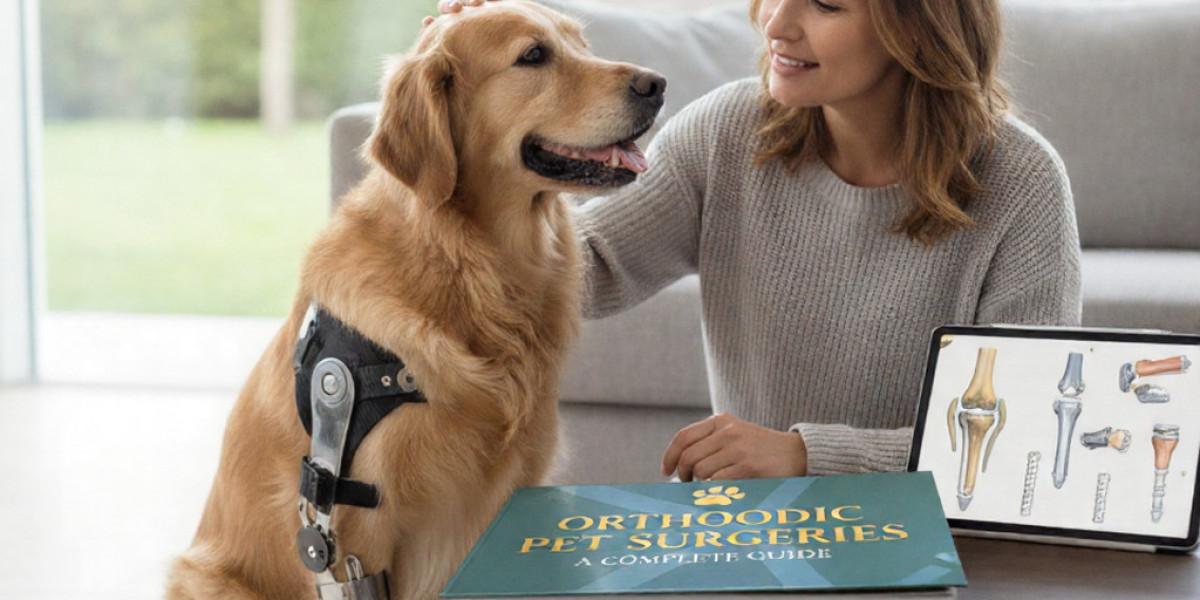

When pets experience bone, joint, or ligament injuries, their mobility and overall quality of life can suffer greatly. Many pet owners feel anxious when a veterinarian recommends Orthopedic Surgeries in Pets, but understanding the purpose and benefits of these procedures can ease concerns. In simple terms, orthopedic procedures for animals focus on diagnosing, treating, and correcting musculoskeletal problems to restore comfort, strength, and movement.
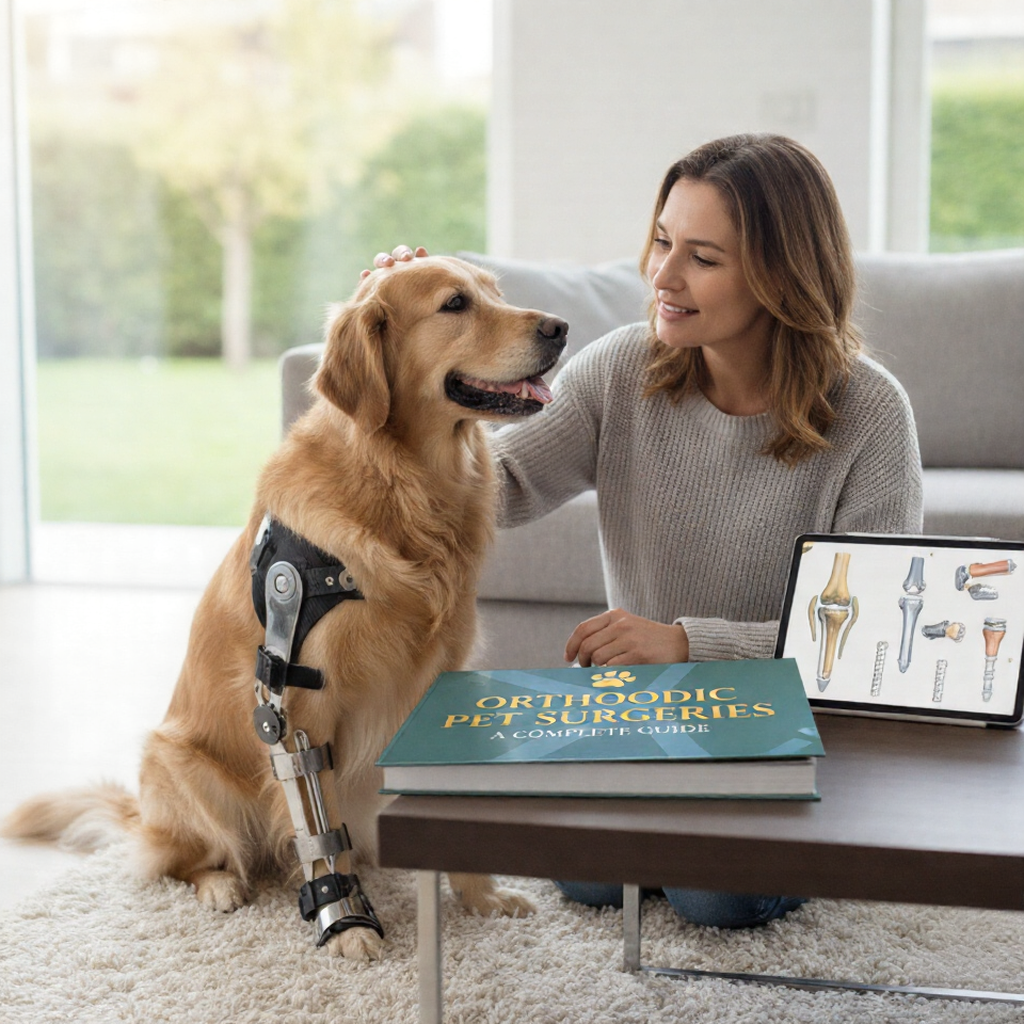
Understanding Orthopedic Surgeries in Pets
Orthopedic surgeries in pets involve medical procedures that repair or correct issues affecting bones, joints, ligaments, tendons, and muscles. These treatments are commonly performed on dogs and cats but can also apply to other companion animals.
Veterinary orthopedic surgery may be necessary due to:
Accidents or trauma (fractures, dislocations)
Ligament tears (such as ACL/CCL injuries)
Hip or elbow dysplasia
Arthritis complications
Congenital deformities
Spinal disorders
These pet bone and joint surgeries aim to relieve pain, improve function, and help pets return to their normal activities.
Common Types of Orthopedic Procedures for Animals
Here are some frequently performed animal orthopedic treatments:
1. Fracture Repair
Veterinarians use plates, screws, pins, or external fixators to stabilize broken bones. This type of pet fracture surgery ensures proper alignment and healing.
2. Cruciate Ligament Surgery (CCL/ACL Repair)
Torn cruciate ligaments are common in active dogs. Procedures such as TPLO (Tibial Plateau Leveling Osteotomy) stabilize the knee and restore mobility.
3. Hip Dysplasia Surgery
Severe hip dysplasia may require total hip replacement or femoral head ostectomy to reduce pain and improve movement.
4. Patellar Luxation Correction
This condition occurs when the kneecap slips out of place. Surgical correction repositions and stabilizes the joint.
5. Spinal Surgery
Veterinary bone surgery may also address herniated discs or spinal compression, preventing nerve damage and paralysis.
Signs Your Pet May Need Orthopedic Surgery
Recognizing early symptoms can make a big difference. Watch for:
Limping or favoring one leg
Difficulty standing or jumping
Swollen joints
Decreased activity levels
Signs of pain when touched
Abnormal posture
If you notice these symptoms, consult a veterinarian promptly. Early evaluation improves outcomes in musculoskeletal surgery for pets.
The Surgical Process: What to Expect
Understanding the process helps you prepare:
1. Diagnosis
Your veterinarian will conduct physical exams, X-rays, or advanced imaging like CT or MRI scans.
2. Surgical Planning
The veterinary orthopedic expert selects the most suitable procedure based on your pet’s condition.
3. Anesthesia and Surgery
Modern orthopedic operations in animals use advanced anesthesia and monitoring to ensure safety.
4. Recovery and Rehabilitation
Post-operative care is crucial. Your pet may need:
Pain management medications
Restricted movement
Physical therapy
Follow-up checkups
Proper rehabilitation strengthens muscles and supports successful healing after pet orthopedic procedures.
Benefits of Orthopedic Surgeries in Pets
Pet orthopedic interventions provide several advantages:
Pain relief
Improved mobility
Prevention of further damage
Enhanced quality of life
Longer, healthier lifespan
When performed by experienced professionals, orthopedic care for pets can significantly transform a pet’s daily comfort and activity level.
Post-Surgery Care Tips for Pet Owners
As a responsible pet owner, you play a vital role in recovery:
Follow medication schedules strictly
Keep surgical sites clean and dry
Prevent excessive movement
Use supportive bedding
Attend all follow-up appointments
Active involvement ensures successful results after animal bone and joint surgery.
Final Thoughts
Making the decision for surgery can feel overwhelming, but timely medical action often prevents chronic pain and long-term complications. By understanding the purpose and process of Orthopedic Surgeries in Pets, you empower yourself to make informed choices that prioritize your companion’s well-being. With expert veterinary orthopedic surgery, proper aftercare, and early diagnosis, Orthopedic Surgeries in Pets can restore mobility, reduce discomfort, and give your pet a healthier, more active future.
Frequently Asked Questions (FAQs)
1. How long does recovery take after orthopedic surgery in pets?
Recovery time varies depending on the procedure. Minor repairs may heal within 4–6 weeks, while complex surgeries like hip replacements may require 8–12 weeks with rehabilitation.
2. Are orthopedic surgeries safe for older pets?
Yes, many senior pets successfully undergo veterinary bone surgery. Veterinarians carefully assess overall health before recommending surgery.
3. Is physical therapy necessary after pet orthopedic surgery?
Yes, rehabilitation strengthens muscles, improves joint flexibility, and speeds up healing after musculoskeletal surgery for pets.
4. Can orthopedic problems in pets heal without surgery?
Some mild conditions respond to medication and rest. However, severe fractures, ligament tears, or advanced dysplasia often require orthopedic procedures for animals for complete recovery.