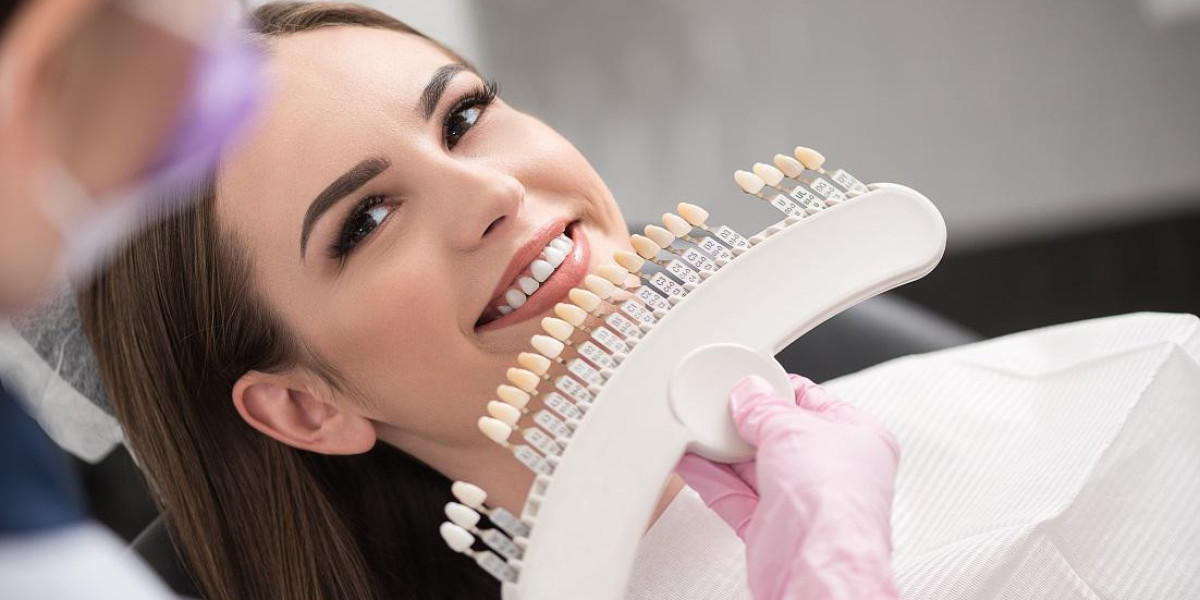

Dental crowns are a common solution for restoring damaged or weakened teeth. While they can provide strength, improve appearance, and prevent further dental issues, it’s essential to understand the potential drawbacks associated with them. Awareness of these disadvantages helps patients make informed decisions about their oral health. In this article, we’ll explore the various disadvantages of dental crowns and how to manage them effectively.
High Cost of Dental Crowns
One of the most immediate concerns for patients considering dental crowns is the cost. Crowns are not cheap, especially those made from high-quality materials like porcelain or gold. The expense can be significantly higher if multiple teeth require crowns. While dental insurance may cover part of the procedure, patients often face substantial out-of-pocket costs. This financial aspect is an important factor to consider, particularly for families balancing routine dental care with more extensive restorative procedures.
Possible Tooth Sensitivity
After receiving a crown, some patients may experience tooth sensitivity. This can occur when the underlying tooth structure reacts to hot or cold foods and beverages. Sensitivity often diminishes over time, but in some cases, it may require additional dental intervention. Understanding this potential issue helps patients prepare for the adjustment period following crown placement and ensures they maintain proper oral hygiene to minimize discomfort.
Risk of Crown Damage
While dental crowns are designed to be durable, they are not indestructible. Crowns can chip, or become loose due to factors such as biting hard foods, grinding teeth, or trauma. Repairing or replacing a damaged crown can be costly and may involve additional dental visits. Regular dental check-ups are crucial to identify early signs of wear or damage, allowing for timely maintenance and minimizing further complications.
Potential for Tooth Decay
Even with a crown, the natural tooth beneath remains susceptible to decay. Improper cleaning around the crown’s edges can lead to plaque buildup, causing cavities to develop at the margins. Patients should pay close attention to brushing and flossing techniques to prevent decay. Consulting professionals like Broadway Family Dentistry can provide guidance on proper dental care to protect crowned teeth and prolong their lifespan.
Allergic Reactions to Materials
Dental crowns are made from various materials, including metals, porcelain, and resin. Some patients may experience allergic reactions to certain metals, resulting in discomfort or inflammation. While such cases are rare, discussing material choices with your dentist before crown placement ensures the best compatibility and minimizes potential health risks.
Gum Irritation and Recession
The placement of a dental crown can sometimes irritate the surrounding gums. Over time, poor-fitting crowns or oral hygiene issues can lead to gum recession, exposing tooth roots and increasing sensitivity. Regular dental check-ups and professional cleanings are essential to monitor gum health, maintain crown integrity, and prevent long-term problems.
Longevity and Replacement Needs
Dental crowns are not permanent and typically last between 5 to 15 years depending on material, oral hygiene, and lifestyle habits. Eventually, crowns may need replacement due to wear, damage, or aesthetic concerns. Patients should be prepared for the possibility of future dental procedures and budget accordingly to ensure continued dental health and functionality.
Aesthetic Limitations
Although crowns can improve the appearance of damaged teeth, they may not always perfectly match the natural tooth color or translucency. Over time, the crown may stain or discolor, especially if it’s made from resin or lower-quality porcelain. Maintaining a consistent smile may require periodic adjustments or replacement, which should be factored into long-term dental planning.
Conclusion
While dental crowns offer numerous benefits, understanding the disadvantages of dental crowns is crucial for making informed oral health decisions. From cost considerations and potential tooth sensitivity to the need for future replacements and aesthetic limitations, patients should weigh both advantages and drawbacks. Consulting experienced dental professionals, such as Broadway Family Dentistry, ensures that each patient receives tailored advice and care, maximizing the success and longevity of their dental crowns. By being proactive and informed, patients can enjoy the functional and cosmetic benefits of crowns while mitigating potential issues.