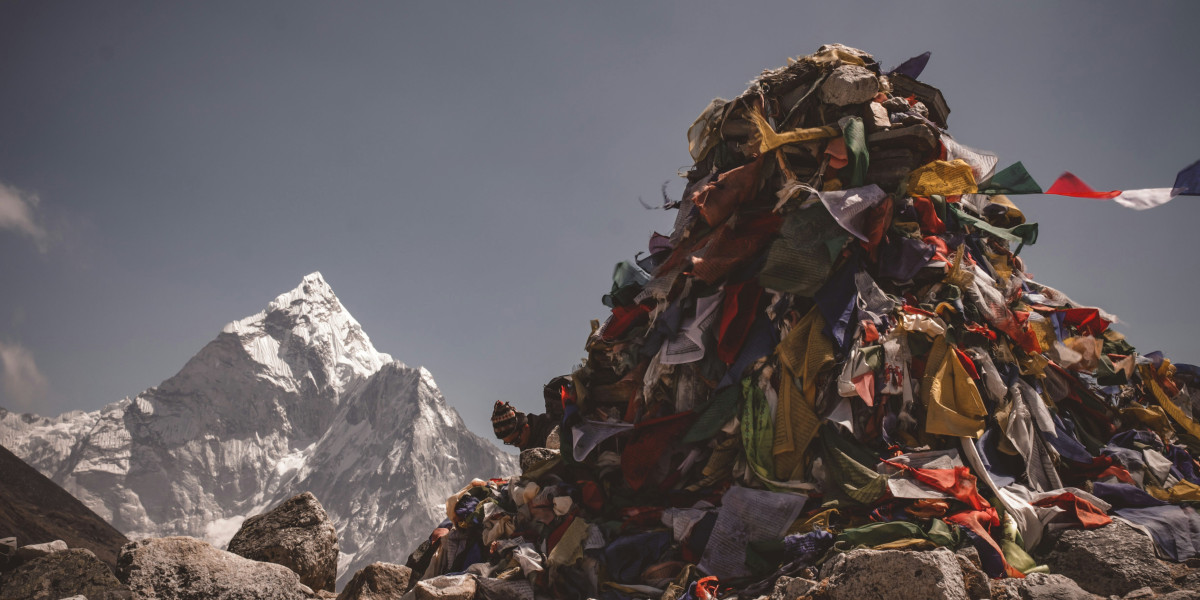

Thin mountain air, fluttering prayer flags, and the distant glow of the world’s tallest peak create a moment that feels truly powerful. The everest base camp is one of the most famous walking adventures on Earth. This journey leads deep into the heart of the Himalayas, where every step brings new views and new challenges. For many travelers, reaching base camp is a lifelong dream.
Where the Adventure Begins
The journey usually starts with a short but exciting flight from Kathmandu to Lukla. The small mountain airport sits high above the valley and marks the official starting point of the trek.
From Lukla, the trail moves through lively Sherpa villages, green forests, and suspension bridges hanging over deep rivers. The path is well marked and full of energy, especially in the early days.
The first major stop is Namche Bazaar, the busy trading center of the Khumbu region. This mountain town offers cozy teahouses, bakeries, and great views of the surrounding peaks.
Trekking Through the Heart of the Khumbu
As the trail climbs higher, the landscape begins to change. Thick forests slowly give way to open valleys and rocky slopes. The air becomes cooler and thinner with each passing day.
Important stops along the route include:
- Namche Bazaar
- Tengboche Monastery
- Dingboche
- Lobuche
Each village provides a place to rest, eat, and adjust to the rising altitude. Tengboche is especially memorable because of its famous monastery set against a stunning mountain backdrop.
The steady pace of the trek allows the body to adapt gradually, which is very important for safety.
Key Trekking Statistics
Planning becomes easier with the right facts. The everest base camp trek usually takes 12 to 14 days to complete, including acclimatization days. The total trekking distance is about 130 kilometers (round trip).
Everest Base Camp itself sits at 5,364 meters (17,598 feet) above sea level. Many trekkers also hike to Kala Patthar at 5,545 meters, which is the highest point most visitors reach and one of the best viewpoints for Mount Everest.
These numbers show that the trek is challenging but achievable with proper preparation.
Reaching Everest Base Camp
The final walk to base camp is both exciting and emotional. The trail follows the Khumbu Glacier, with rocky paths and wide mountain views all around. Colorful tents from climbing teams often dot the base camp area during the spring season.
Standing at Everest Base Camp feels like a true achievement. While the summit of Everest rises far above, simply reaching this point is a proud moment for many trekkers.
Photos, quiet reflection, and celebration usually mark this special stop.
Sunrise from Kala Patthar
Although base camp is the main goal, the hike to Kala Patthar often becomes the highlight of the trip. This viewpoint offers one of the clearest and closest views of Mount Everest.
The climb usually starts early in the morning. As the sun rises, golden light touches the peaks, creating a breathtaking scene. Cold winds and thin air make the climb challenging, but the reward at the top makes every step worth it.
Food and Teahouse Experience
Accommodation on the everest base camp trek comes in the form of teahouses. These are simple mountain lodges run by local families.
Typical features include:
- Basic twin rooms
- Shared dining halls
- Hot meals and drinks
Popular food choices along the route include dal bhat, noodles, fried rice, soups, eggs, pancakes, and hot tea. Meals are simple but filling, which is exactly what trekkers need after long walking days.
Higher up the trail, menus become smaller and prices rise due to transport challenges.
Best Time to Trek
Weather plays a big role in the Everest region. The most reliable seasons are:
Spring (March to May)
- Warmer temperatures
- Busy climbing season
- Clear morning views
Autumn (September to November)
- Stable weather
- Sharp mountain visibility
- Comfortable trekking conditions
Winter treks are possible but very cold. The monsoon season often brings clouds and flight delays, which can affect travel plans.
How Difficult Is the Trek
The everest base camp trek is considered moderately difficult. No technical climbing is required, but the high altitude and long walking days make it physically demanding.
Trekkers should be prepared for:
- 5 to 7 hours of walking per day
- Thin air above 3,000 meters
- Cold temperatures at higher camps
- Basic mountain accommodation
Good fitness, steady pacing, and proper acclimatization greatly improve success on the trail.
Simple Tips for Success
Small habits can make the trek smoother and safer:
- Walk slowly and keep a steady pace
- Drink plenty of water daily
- Avoid rushing at high altitude
- Pack warm layers and good boots
- Get proper travel insurance
Listening to the body and respecting altitude are the keys to a safe trek.
Why This Trek Remains World Famous
Many mountain routes are beautiful, but few match the reputation of the Everest region. The combination of Sherpa culture, dramatic peaks, and the goal of reaching the base of the world’s tallest mountain creates a powerful experience.
The trail also has strong infrastructure, making it one of the most accessible high-altitude treks in the Himalayas. Even with growing popularity, the sense of achievement at base camp remains as strong as ever.
Final Thoughts
The everest base camp trek is more than just a walk in the mountains. It is a journey filled with challenge, culture, and unforgettable scenery. From the lively trails near Lukla to the icy landscape of base camp, every day offers something new.
For those ready to test their limits and witness the grandeur of the Himalayas up close, this trek stands as one of the most rewarding adventures available.