
A Dream Begins in the Mountains
The first time you see Mount Everest, your heart beats faster. The air feels fresh. The mountains look endless. Many people dream of standing at Everest Base camp at least once in their lives. It is not just a walk in the mountains. It is a journey that tests your strength, builds your courage, and changes the way you see the world.
The Everest Base Camp Trek is one of the most famous treks on Earth. People from many countries come to Nepal to follow this trail. They walk through small villages, cross high bridges, and climb rocky paths. Step by step, they move closer to the tallest mountain in the world.
This trek is not only about reaching a place. It is about discovering your inner power.
Where the Journey Begins
The adventure starts with a short and exciting flight from Kathmandu to Lukla. Lukla has a small mountain airport surrounded by hills. From here, the real trekking begins.
The trail follows the Dudh Koshi River. You walk on stone steps and cross long suspension bridges covered with prayer flags. The path passes through beautiful Sherpa villages like Phakding and Namche Bazaar. Namche is a busy mountain town. Trekkers rest here to adjust to the high altitude.
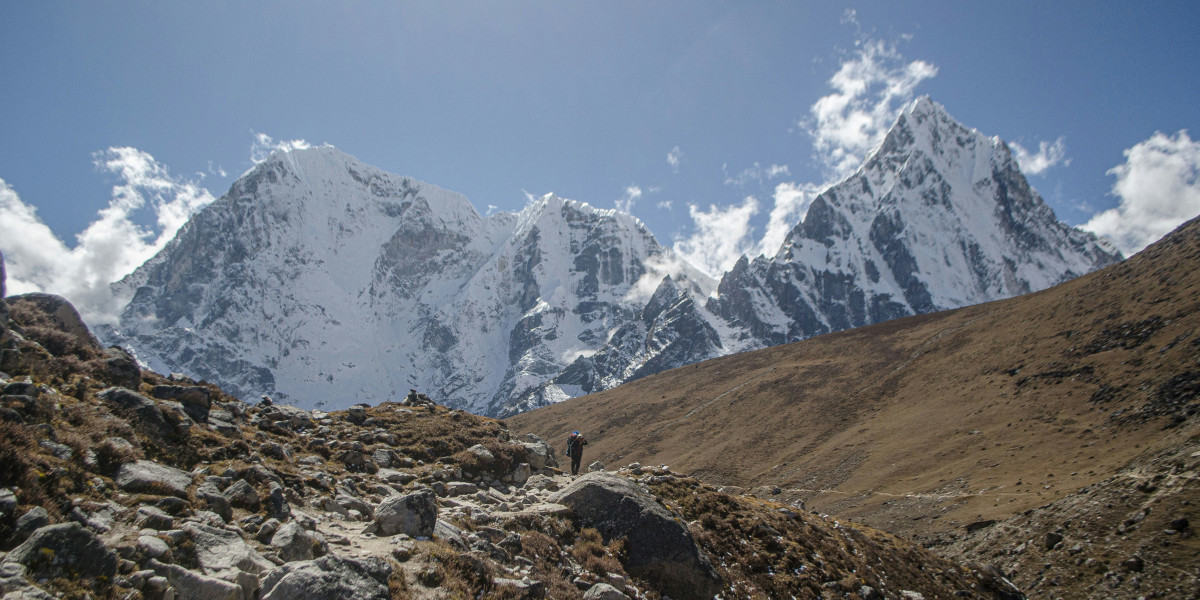
As you climb higher, the air gets thinner. The trees become smaller. Snow-covered peaks start to appear. You feel closer to the sky.
The People and Culture of the Himalayas
One of the best parts of this trek is meeting the Sherpa people. They are strong, kind, and welcoming. Their culture is rich in tradition and faith.
Along the trail, you see colorful prayer wheels, stone walls with carved mantras, and peaceful monasteries. Tengboche Monastery is one of the most famous stops. From here, you can see amazing views of Mount Everest, Lhotse, and Ama Dablam.
The Sherpa people teach us patience and respect for nature. Their simple way of life reminds us that happiness does not need many things.
Trek Statistics and Key Facts
The Everest Base Camp Trek usually takes 12 to 14 days to complete. The total trekking distance is about 130 kilometers (80 miles) round trip from Lukla. The maximum elevation is 5,364 meters (17,598 feet) at Everest Base Camp.
Trekkers also hike to Kala Patthar, which stands at 5,545 meters (18,192 feet) . This is the highest point most trekkers reach. From there, you get one of the best sunrise views of Mount Everest.
These numbers may seem big, but with proper rest days and slow walking, many people completed the trek successfully.
Facing the Challenge
This trek is not easy. The high altitude makes breathing harder. Some days you walk for 5 to 7 hours. The weather can change quickly. It may be sunny in the morning and cold in the afternoon.
But every challenge has a reward.
When you feel tired, you look up and see giant mountains around you. When your legs feel weak, your heart feels strong. You learn to take one step at a time. You learn that slow progress is still progress.
The trek teaches patience, discipline, and courage.
The Final Steps to Base Camp
The last part of the trail is rocky and cold. The trees are gone. The land looks wild and powerful. You walk beside the Khumbu Glacier, hearing the ice break and move.
Then you see the sign: Everest Base Camp.
At that moment, all the hard work feels worth it. You stand at the foot of the world's highest mountain. Prayer flags wave in the wind. Trekkers hug each other. Some people cry with joy.
You realize that the real victory is not just reaching the place. It is the journey that brought you there.
Why This Trek Changes Lives
The Everest Base Camp Trek changes people in many ways.
First, it shows you that you are stronger than you think. Climbing high mountains is not only for expert athletes. With training and determination, ordinary people can do amazing things.
Second, it teaches gratitude. After living in simple tea houses and walking long hours, you begin to appreciate small comforts. A warm meal feels special. A hot shower feels like a gift.
Third, it brings peace. Away from busy cities and loud traffic, you hear only wind, rivers, and your own footsteps. The mountains give you space to think and grow.
Best Time to Go
The best seasons for the Everest Base Camp Trek are spring (March to May) and autumn (September to November). During these months, the skies are clear, and the weather is stable.
Spring brings blooming rhododendron flowers. Autumn offers bright blue skies and sharp mountain views. Winter is very cold, and summer brings rain, so most trekkers choose spring or autumn.
Preparation and Tips
You do not need to be a professional climber. But you should prepare your body before the trek. Regular walking, light hiking, and simple exercises help a lot.
It is also important to walk slowly during the trek. Drink plenty of water. Listen to your guide. Take rest days seriously. These small steps protect you from altitude sickness.
Good trekking shoes, warm clothes, and a positive mindset are your best tools.
A Journey You Will Never Forget
The Everest Base Camp Trek is more than a holiday. It is a life-changing Himalayan challenge. It pushes your limits. It rewards your effort. It fills your heart with pride.
When you return home, you carry more than photos. You carry stories, strength, and memories that last forever.
The mountains may stay in Nepal, but the lessons travel back with you.