
A Chilled water piping system plays a vital role in delivering efficient and consistent cooling in residential, commercial, and industrial buildings. As modern structures demand better energy efficiency and reliable temperature control, HVAC systems are increasingly designed around advanced chilled water solutions. Whether it’s a high-rise office tower, hospital, shopping mall, or manufacturing facility, a properly designed chilled water piping system ensures optimal performance, reduced operational costs, and long-term reliability.
In this blog, we’ll explore how a chilled water piping system works, its components, benefits, design considerations, and why it is essential for reliable HVAC performance.
What Is a Chilled Water Piping System?
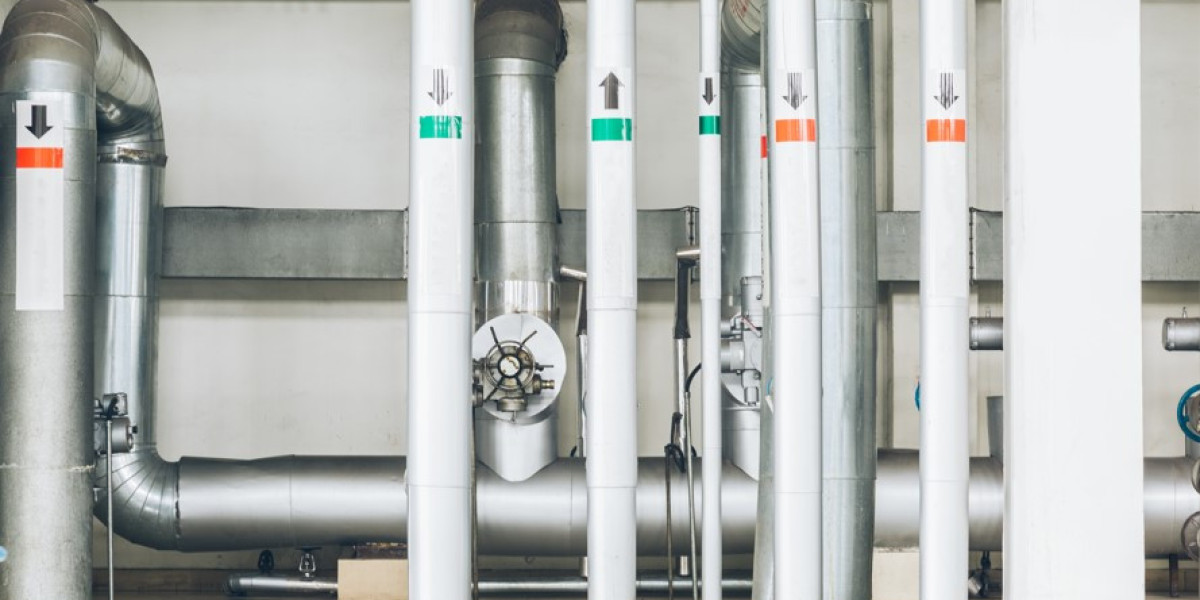
A chilled water piping system is a network of insulated pipes that circulate chilled water from a chiller to air handling units (AHUs), fan coil units (FCUs), or other cooling equipment throughout a building. The chilled water absorbs heat from indoor spaces and returns to the chiller to be cooled again, forming a continuous loop.
Unlike direct expansion (DX) systems, chilled water systems use water as the cooling medium, making them highly efficient and suitable for large-scale HVAC applications. These systems are common in commercial HVAC systems and central air conditioning setups.
How a Chilled Water Piping System Works
The working principle of a chilled water piping system is simple yet highly effective:
Chiller Unit: The chiller cools water to a specific temperature (usually around 6–7°C).
Supply Piping: The chilled water flows through insulated pipes to air handling units or fan coil units.
Heat Exchange: Warm air passes over cooling coils containing chilled water, transferring heat to the water.
Return Piping: The warmed water returns to the chiller to be cooled again.
This closed-loop system ensures consistent cooling while maintaining energy efficiency. Pumps maintain proper water flow and pressure throughout the piping network.
Key Components of a Chilled Water Piping System
To ensure reliable HVAC performance, a chilled water piping system includes several critical components:
1. Chillers
Chillers are the heart of the system. They remove heat from the water using vapor compression or absorption technology.
2. Chilled Water Pumps
These pumps circulate water throughout the piping network. Primary and secondary pumping systems are often used for better flow control.
3. Piping Network
The pipes transport chilled water to different zones within the building. Materials commonly used include carbon steel, stainless steel, or HDPE piping.
4. Insulation
Proper pipe insulation prevents energy loss, condensation, and moisture damage.
5. Air Handling Units (AHUs) and Fan Coil Units (FCUs)
These units distribute cooled air throughout indoor spaces.
6. Valves and Controls
Control valves, balancing valves, and actuators regulate water flow, ensuring efficient cooling and temperature control.
Types of Chilled Water Piping Systems
Different building requirements call for different system configurations. The most common types include:
1. Primary-Only System
A simple system where one pump circulates water through the chiller and cooling coils.
2. Primary-Secondary System
This configuration separates chiller flow from building distribution flow, improving flexibility and energy efficiency.
3. Variable Primary Flow System
A modern approach that adjusts water flow based on cooling demand, reducing pump energy consumption.
Each type of chilled water piping system offers specific advantages depending on the building size, load variations, and energy efficiency goals.
Benefits of a Chilled Water Piping System
A well-designed chilled water piping system provides numerous advantages:
Energy Efficiency
Water is an excellent medium for heat transfer. Compared to air-based systems, chilled water systems consume less energy, especially in large buildings.
Scalability
Chilled water systems can easily be expanded to accommodate future building extensions or increased cooling loads.
Improved Indoor Comfort
Consistent temperature control ensures better occupant comfort and improved air quality.
Reduced Noise
Since the chiller is often located away from occupied spaces, the system operates quietly.
Lower Maintenance Costs
With proper design and installation, chilled water piping systems require less frequent maintenance compared to decentralized cooling systems.
Design Considerations for Optimal Performance
To achieve reliable HVAC performance, careful planning and engineering are essential when designing a chilled water piping system.
Proper Pipe Sizing
Incorrect pipe sizing can cause pressure drops, reduced flow rates, and inefficient cooling. Engineers must calculate accurate load requirements before selecting pipe diameters.
Insulation Quality
High-quality insulation prevents heat gain and condensation, maintaining energy efficiency and preventing water damage.
Pump Selection
Energy-efficient pumps with variable frequency drives (VFDs) can significantly reduce energy consumption.
Balancing and Commissioning
Hydronic balancing ensures equal water distribution across all zones. Proper commissioning guarantees the system operates as designed.
Water Treatment
Maintaining water quality prevents corrosion, scaling, and microbial growth within the piping network.
Common Challenges in Chilled Water Piping Systems
While highly efficient, chilled water piping systems may face certain challenges if not properly managed:
Air entrainment causing reduced flow efficiency
Pipe corrosion due to untreated water
Insufficient insulation leading to condensation
Improper balancing resulting in uneven cooling
Regular inspection, preventive maintenance, and professional system audits help address these issues early.
Energy Efficiency and Sustainability
Modern chilled water piping systems are designed with sustainability in mind. Many facilities now integrate:
Variable speed pumps
Smart building automation systems
Energy-efficient chillers
Thermal energy storage systems
These technologies reduce carbon footprint while improving system performance. Green building certifications often prioritize efficient HVAC design, and chilled water systems play a significant role in achieving those standards.
Maintenance Best Practices
To ensure long-term reliability, routine maintenance is essential:
Inspect pipes and insulation regularly.
Monitor water quality and chemical treatment levels.
Check pump alignment and vibration.
Test control valves and sensors.
Clean strainers and filters periodically.
Preventive maintenance minimizes downtime and extends the life of the chilled water piping system.
Applications Across Industries
A chilled water piping system is widely used in:
Commercial office buildings
Hospitals and healthcare facilities
Data centers
Shopping malls
Hotels and resorts
Industrial manufacturing plants
Large facilities benefit most due to the system’s ability to manage high cooling loads efficiently.
Why Professional Installation Matters
Improper installation can compromise system performance and increase operational costs. Professional HVAC engineers ensure:
Accurate load calculation
Correct pipe routing
Leak-proof joints
Efficient pump configuration
Compliance with safety and building standards
Choosing experienced contractors ensures your chilled water piping system delivers reliable HVAC performance for years to come.
Future Trends in Chilled Water Systems
As technology evolves, chilled water systems are becoming smarter and more energy-efficient. Emerging trends include:
IoT-enabled monitoring systems
Predictive maintenance analytics
High-efficiency magnetic bearing chillers
Sustainable refrigerants
These advancements enhance reliability while reducing environmental impact.
Conclusion
A Chilled water piping system is the backbone of many modern HVAC installations, delivering consistent cooling, energy efficiency, and long-term reliability. From proper design and installation to ongoing maintenance and system optimization, every stage plays a crucial role in achieving peak performance.
By investing in a well-engineered chilled water piping system, building owners can reduce operational costs, improve occupant comfort, and ensure sustainable cooling solutions for the future. Whether for commercial, industrial, or institutional use, this system remains one of the most dependable and efficient HVAC solutions available today.