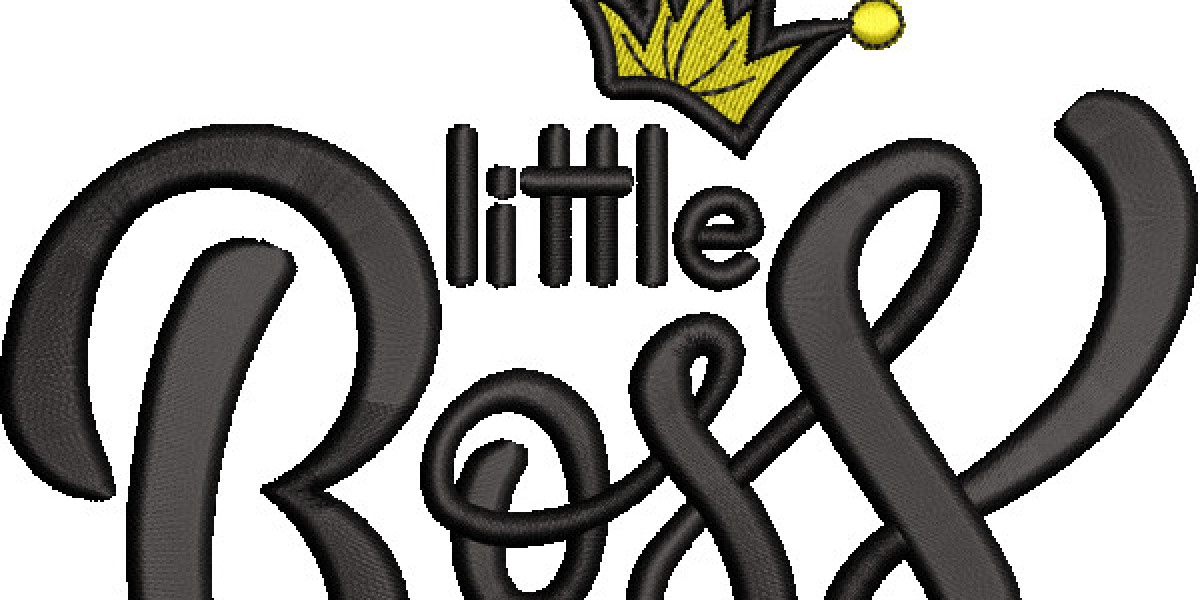

Strong branding requires consistency, clarity, and durability across all materials. Embroidery Digitizing plays a central role in transforming digital artwork into structured stitch files that deliver professional results on garments and promotional products. Applied to corporate uniforms, custom patches, or branded merchandise, accurate digitizing ensures clean stitching, balanced density, and long-term performance.
For businesses focused on brand visibility, proper digitizing is not optional it is essential.
Why Embroidery Digitizing Is Essential for Logos
Logos represent a company's identity. When embroidered, they must maintain:
Sharp edges
Clear lettering
Balanced proportions
Accurate brand colors
Digitizing controls stitch direction, density, and sequencing, ensuring that logos appear clean and readable on various fabrics.
Poor digitizing can cause distortion, merged letters, or uneven fill areas, which negatively impacts brand presentation.
Embroidery Digitizing for Custom Patches
Patches require precise structure because they are standalone embroidered pieces.
Key digitizing considerations for patches include:
Strong border stitching
Balanced fill density
Clean edge finishing
Correct backing compatibility
Merrow borders or satin edge finishes must be carefully digitized to maintain patch durability and clean trimming.
Corporate Branding and Uniform Embroidery
Corporate branding relies on consistency across:
Polo shirts
Caps
Jackets
Work uniforms
Promotional apparel
Embroidery digitizing ensures the same logo file performs consistently across different garment types and sizes. Adjustments such as pull compensation and underlay stabilize the design for each fabric type.
Stitch Types Used in Branding Projects
Different branding elements require specific stitch types:
Satin Stitches
Ideal for text and borders.
Fill Stitches
Used for larger logo backgrounds.
Running Stitches
Applied for fine details and outlines.
Choosing the correct stitch type improves clarity and durability.
Importance of Proper Stitch Density
Density settings affect both appearance and fabric behavior.
If density is too high:
Fabric puckers
Thread breaks increase
If density is too low:
Gaps appear in fill areas
Balanced density ensures smooth coverage and professional results.
Color Planning for Corporate Embroidery
Corporate brands often follow strict color guidelines.
Digitizing helps by:
Organizing color sequence
Reducing unnecessary thread changes
Maintaining consistent thread shades
Accurate color planning strengthens brand recognition.
Optimizing Stitch Sequencing for Production
Efficient stitch sequencing:
Reduces machine stops
Minimizes trims
Improves production speed
Enhances alignment
For large corporate orders, optimized digitizing saves time and reduces operational costs.
Common Challenges in Logo and Patch Digitizing
Some challenges include:
Small lettering
Intricate details
Multi-layered designs
Stretch fabric
Professional digitizing addresses these challenges through structured adjustments and test stitching.
Real-World Example
A company orders embroidered patches with a detailed logo. Initial stitching shows uneven edges and distorted text.
After reviewing the embroidery digitizing file:
Borders are reinforced
Density is adjusted
Letter spacing is increased
Stitch direction is refined
The final patches appear sharp and durable, suitable for corporate distribution.
Benefits for Businesses
Investing in professional embroidery digitizing provides:
Strong brand consistency
Reduced production errors
Long-lasting embroidery
Improved customer satisfaction
Faster reorder processing
Quality digitizing supports scalable branding efforts.
Conclusion
Embroidery Digitizing is the foundation of successful logos, patches, and corporate branding projects. By controlling stitch accuracy, density balance, color sequencing, and fabric stability, digitizing ensures professional and durable embroidery results. Businesses that prioritize proper digitizing maintain consistent brand identity across garments and promotional materials. In competitive markets, clean and reliable embroidery strengthens credibility and long-term growth.
FAQs
1. Why is digitizing important for corporate logos?
It ensures logos stitch clearly and maintain brand consistency.
2. Are patches digitized differently than regular embroidery?
Yes. Patches require stronger borders and structured edge finishing.
3. How does digitizing affect production speed?
Optimized stitch sequencing reduces machine downtime and improves efficiency.
4. Can one digitized file work on all fabrics?
Sometimes adjustments are needed based on fabric type and garment structure.
5. Should businesses outsource embroidery digitizing?
Professional digitizing services help ensure high-quality and consistent branding results.