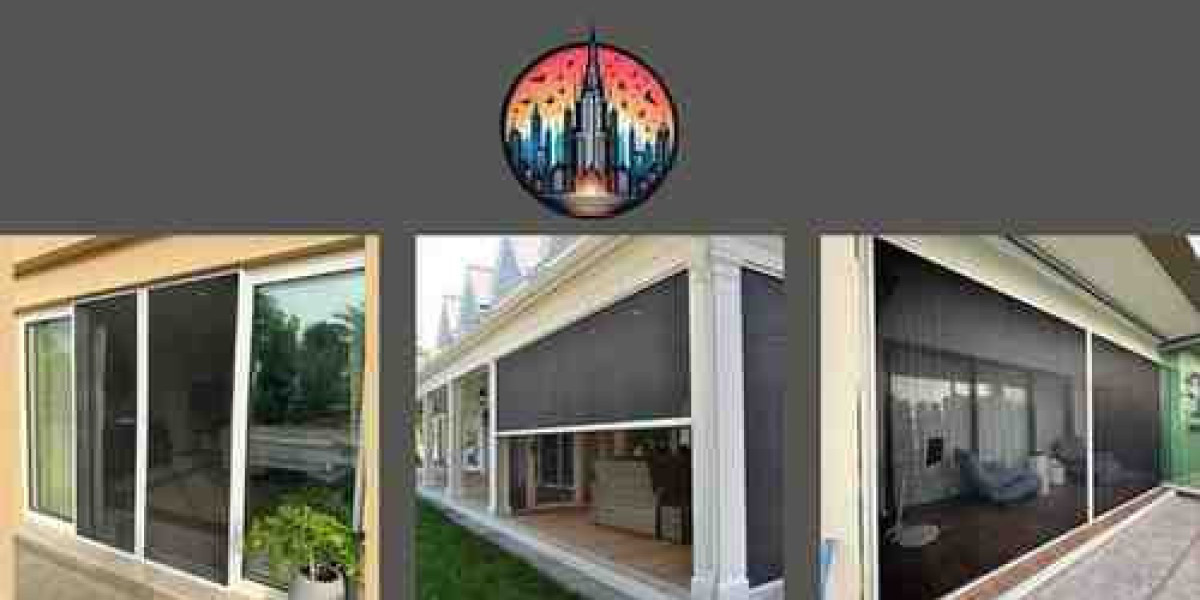

Keeping your home or office free from insects is essential for comfort, health, and productivity. In Dubai’s hot and humid climate, mosquitoes and flies are not only a nuisance but can also pose health risks. This is where high-quality fly screens and mosquito screens become indispensable. Whether you’re looking to protect your family at home or maintain a hygienic workspace in your office, investing in the right screens ensures a safe, comfortable, and insect-free environment.
This guide explores the best fly screen solutions available in Dubai, helping you make an informed decision while highlighting deals that offer great value for your investment.
1. Why Fly Screens Are Essential in Dubai
Dubai’s warm climate and proximity to water bodies make it prone to flying insects, including mosquitoes. Without proper protection, your home or office can quickly become a breeding ground for these pests.
Fly screens act as a barrier, allowing fresh air to circulate while preventing flies, mosquitoes, and other insects from entering. Unlike chemical repellents, screens provide a long-term, eco-friendly solution without exposing your family or employees to harmful toxins. They are particularly effective in homes with children and offices where hygiene is a priority.
Additionally, mosquito screens can help reduce the risk of mosquito-borne diseases such as dengue fever and chikungunya, making them an essential health precaution in Dubai.
2. Types of Fly Screens Available
When shopping for fly screens in Dubai, you’ll find several types designed to fit different needs and spaces:
Fixed Fly Screens: These are permanently installed in windows or doors. They provide constant protection without requiring adjustments. Ideal for homes where windows remain open frequently.
Retractable Screens: These screens roll up when not in use, maintaining aesthetic appeal while offering flexibility. They are perfect for offices and modern homes.
Magnetic Fly Screens: Easy to install and remove, magnetic screens are convenient for temporary use or rental properties.
Sliding Fly Screens: Suitable for sliding doors or large openings, these screens offer robust protection without compromising accessibility.
Each type caters to specific needs, whether it’s maximizing airflow, preserving the interior design, or providing removable options for cleaning.
3. Benefits Over Alternatives
Many people rely on sprays, coils, or electric mosquito zappers to manage flying insects. While these methods can be effective temporarily, they have notable drawbacks:
Health Risks: Chemical repellents and sprays can irritate skin or respiratory systems.
Short-Term Effectiveness: Coils and sprays need constant replacement, leading to recurring expenses.
Noise and Disruption: Electric zappers can be noisy and may not cover all areas effectively.
In contrast, fly screens and mosquito screens provide a permanent, silent, and eco-friendly solution. They allow natural ventilation, improve indoor air quality, and are virtually maintenance-free with occasional cleaning.
4. How to Choose the Right Fly Screen
Selecting the right fly screen involves several key considerations:
Material Quality: Aluminum and fiberglass meshes are durable, resistant to rust, and long-lasting.
Mesh Size: A fine mesh prevents even the smallest insects from entering without reducing airflow.
Installation Type: Fixed screens suit permanent setups, while retractable or magnetic options are better for flexibility.
Customization: Ensure screens fit your windows and doors perfectly to maximize protection.
Budget: Compare prices and check for deals in Dubai to find the most cost-effective solution without compromising quality.
By understanding these factors, you can choose a solution that balances durability, functionality, and aesthetic appeal.
5. Maintenance Tips for Longevity
To ensure your fly screens and mosquito screens last for years, follow these simple maintenance tips:
Regular Cleaning: Dust and debris can accumulate, reducing airflow. Use a soft brush or vacuum attachment to clean the screens weekly.
Check for Damage: Inspect screens for tears or loose frames periodically and repair them immediately.
Avoid Harsh Chemicals: Mild soap and water are sufficient; harsh chemicals may weaken the mesh.
Seasonal Inspection: Check retractable or sliding screens to ensure smooth operation and prevent sticking or misalignment.
Proper maintenance ensures your investment continues to provide effective insect protection while looking great.
Conclusion
Investing in high-quality fly screens and mosquito screens in Dubai is a smart, cost-effective way to protect your home and office from insects. These screens not only provide comfort and safety but also offer a long-term, eco-friendly solution compared to temporary repellents.
Take action today: explore local deals and choose the right screen type for your windows and doors. Your family, employees, and guests will thank you for a safer, cleaner, and insect-free environment.
FAQs
1. What is the difference between a fly screen and a mosquito screen?
A fly screen is designed to block larger insects like flies and wasps, while a mosquito screen has a finer mesh to prevent smaller insects like mosquitoes from entering.
2. Can fly screens be installed on all window types?
Yes, fly screens can be customized for sliding, fixed, or casement windows. Retractable and magnetic options offer additional flexibility for different window designs.
3. How long do fly screens typically last?
With proper maintenance, high-quality fly screens and mosquito screens can last 5–10 years or more, depending on material and usage.
4. Are fly screens effective in preventing mosquito-borne diseases?
Yes. By blocking mosquitoes from entering your home or office, fly screens significantly reduce the risk of diseases like dengue and chikungunya.
5. How do I clean and maintain my fly screen?
Use a soft brush or vacuum to remove dust weekly. For deeper cleaning, mild soap and water are sufficient. Check for tears and frame stability regularly to ensure effectiveness.
6. Are retractable screens more expensive than fixed ones?
Retractable screens usually have a higher upfront cost due to their mechanism, but they offer flexibility, aesthetic appeal, and easy storage when not in use.