
From DTF Transfers to Reflective Vinyl — The Future of Personalized Fashion
The custom apparel world has never been more dynamic. In 2026, crafters, designers, and small business owners are pushing creative boundaries with innovative materials, fresh techniques, and new consumer demands. At the heart of this shift are vinyl crafting trends — especially DTF transfers, which have emerged as a major player alongside classic heat transfer vinyl and specialty materials.
Whether you’re a seasoned maker or a burgeoning brand owner, understanding these trends will keep your work relevant, profitable, and future-ready.
DTF Transfers: The Revolution in Custom Apparel
Direct-to-Film (DTF) transfers have taken the apparel market by storm.
What Makes DTF So Popular?
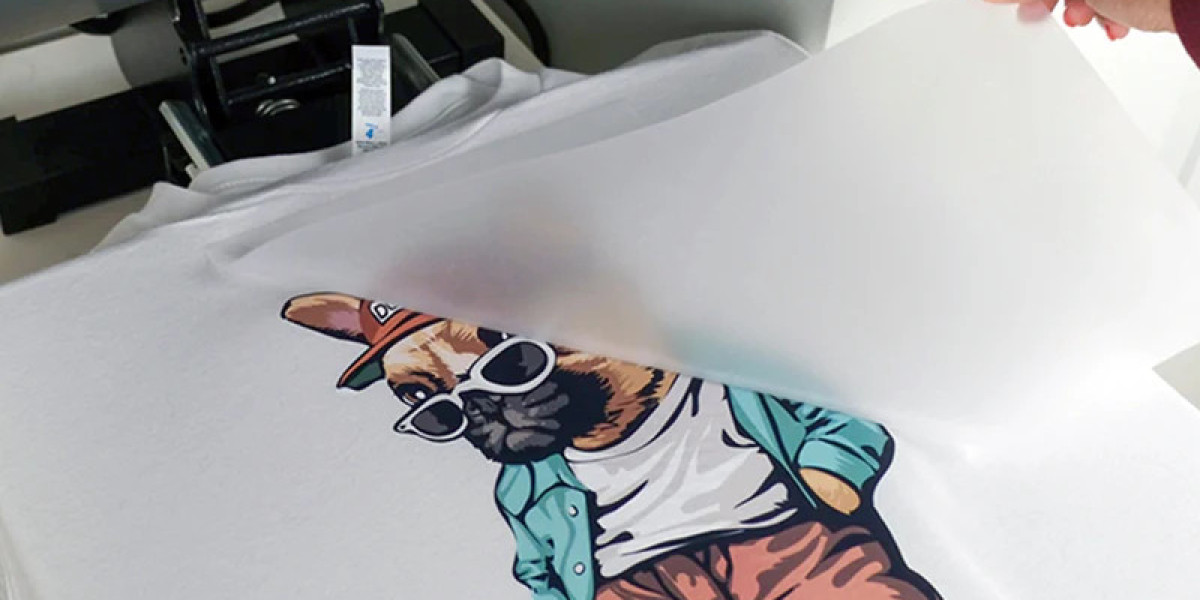
DTF transfers involve printing full-color designs on a special film and then heat-pressing them onto garments. This method bridges the gap between screen printing and heat transfer vinyl, offering:
Vibrant, photorealistic prints
Soft hand feel
Compatibility with many fabrics
Quick production times
Low setup costs for short runs
In 2026, DTF transfers are no longer an alternative — they’re a go-to choice for custom apparel businesses. Small brands and hobbyists alike appreciate how DTF keeps quality high while reducing waste. This versatility has fueled massive adoption across Etsy shops, marketplaces, and custom storefronts.
Trend #1 — Hybrid Design Approaches
2026 is all about blending techniques.
Designers are mixing DTF transfers with vinyl accents to create dimension and depth in apparel. For example:
A DTF printed graphic with reflective heat transfer vinyl outlining key elements
Embellishments using flock or glitter vinyl layered over DTF prints
Tonal vinyl textures paired with detailed DTF artwork
This hybrid approach yields standout pieces that can’t be replicated with a single method alone.
Trend #2 — Personalization at Scale
Customers want custom clothing that feels uniquely theirs.
Thanks to digital tools and easy production workflows, brands are offering:
Name-on-sleeve prints
Custom color palettes
On-demand DTF designs
Mix-and-match graphic collections
DTF transfers excel here because they allow full customization without the high setup costs associated with traditional screen printing. This trend has reshaped business models — from made-to-order shops to direct-to-consumer fashion lines.
Trend #3 — Premium Materials & Functional Apparel
Consumers in 2026 are more discerning about quality and practicality.
Custom apparel isn’t just decorative — it’s functional. Two big trends emerging around this are:
Reflective & Safety-First Designs
Reflective vinyl and printed accents are trending for:
Activewear
Outdoor gear
Night-run apparel
Kids’ school attire
Integrating reflective elements with DTF prints boosts visibility and fashion appeal at the same time.
Technical & Performance Fabrics
DTF’s compatibility with polyester blends and performance materials makes it ideal for sports, athleisure, and outdoor clothing — expanding custom apparel beyond cotton tees.
Trend #4 — Sustainability & Ethical Production
Eco-friendly fashion is no longer a niche — it’s mainstream.
Customers care about:
Sustainable inks
Minimal waste
Ethically made garments
Recyclable materials
DTF transfers generate less waste than screen printing and allow makers to produce smaller batches on demand. Brands that promote sustainable practices are gaining loyal followings and commanding premium prices.
Trend #5 — Digital Commerce & Social Selling
In 2026, the way custom apparel is marketed and sold has changed dramatically.
Short-Form Video Influence
Platforms like TikTok and Instagram Reels are powerful trend drivers for custom designs. Makers show:
DTF transfer application hacks
Before/after garment transformations
Trend forecast videos
Outfit styling with custom tees
This content fuels consumer demand, educates buyers, and inspires new makers.
Marketplace Integration
Online storefronts like Etsy, Shopify, and Print-On-Demand (POD) services make it easy to sell DTF and vinyl apparel without inventory. Many sellers combine digital offerings with local pickup and customization apps to expand sales channels.
Trend #6 — Collaborative Collections
Collabs between makers and influencers or niche brands are strong in 2026.
Designers team up with:
Local artists
Streetwear brands
Music acts
Content creators
These limited-edition drops often feature DTF prints fused with premium vinyl details, driving urgency and buzz in the market. Partnerships like this help small creators tap into wider audiences while maintaining creative authenticity.
Trend #7 — Advanced Production Tech
Tech upgrades are reshaping how custom apparel is made.
New tools include:
Faster DTF printers with higher color fidelity
Precision cutters for vinyl and mixed media
AI design assistants for mockups and layout optimization
Automation software for batch processing
These advancements make it possible to scale production without sacrificing quality — meaning more profits and faster turnaround for businesses.
Trend #8 — Niche Community Movements
Communities of makers have become trend incubators.
From Facebook groups to Reddit threads and Discord channels, crafters share:
DTF transfer best practices
Workflow tutorials
Troubleshooting tips
Material reviews
These micro-communities fuel grassroots trends that quickly spread into mainstream markets.
Trend #9 — Niche Product Expansion
Custom apparel isn’t limited to shirts anymore.
Popular niches now include:
Bags & tote customization
Custom hats with layered DTF + vinyl patches
Kids’ apparel with sensory vinyl effects
Seasonal and holiday-centric designs
DTF transfers make it easy to create detailed prints on items of all shapes, broadening product offerings for makers and brands.
Trend #10 — Data-Driven Design
Analytics are influencing what gets printed.
Smart sellers are using data to understand:
Color trends
Best-selling artwork styles
Seasonal design patterns
Customer preferences
DTF makes it easy to respond quickly since small batches are affordable and turnaround is fast. This adaptability gives sellers a competitive edge in a trend-driven marketplace.
Conclusion
In 2026, custom apparel isn’t just about slapping a design on fabric — it’s about crafting meaningful, high-quality fashion that reflects personal style and consumer values. At the center of this evolution are innovative methods like DTF transfers, which bring vivid color, versatility, and scale to creative businesses.
From hybrid design approaches and sustainability to tech automation and social influence, the trends shaping custom apparel today are pushing the vinyl community into a future where creativity and commerce thrive together.