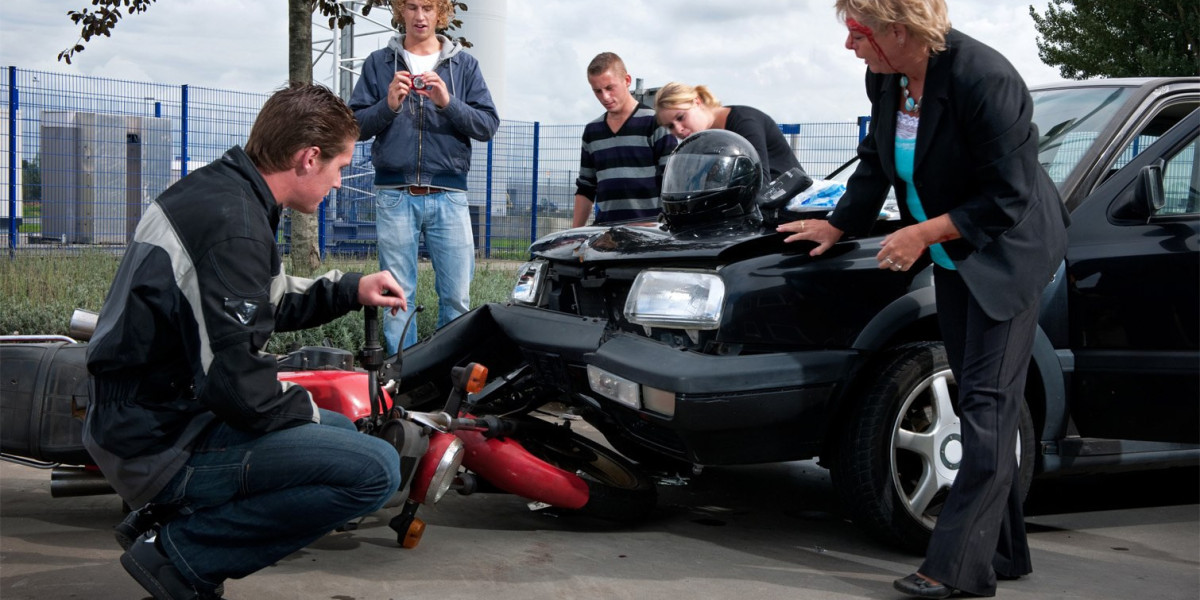

Riding a motorcycle offers a sense of freedom that few other vehicles can match. The open road, the connection to the environment, and the thrill of the ride are part of what draws people to motorcycles in the first place. Unfortunately, that same openness also means riders are far more exposed when accidents happen.
When a crash occurs, injuries can be serious and the recovery process can be overwhelming. Medical treatment, insurance claims, and legal questions often arrive all at once. In situations like this, many people start looking into the role of a motorcycle accident attorney and how legal guidance might help them navigate the aftermath.
Understanding what these attorneys do and why motorcycle accidents often require special attention can make the process a little less confusing.
Why Motorcycle Accidents Are Often More Serious
One of the biggest differences between motorcycle accidents and typical car crashes is protection. Drivers and passengers in cars benefit from seatbelts, airbags, and the structure of the vehicle itself. Motorcycle riders simply don't have the same level of protection.
Even at moderate speeds, a collision can lead to injuries such as broken bones, road rash, spinal damage, or head trauma. Recovery may involve surgery, rehabilitation, and time away from work. These factors can quickly create financial stress in addition to the physical recovery.
Because the stakes are often higher, the legal and insurance aspects of a motorcycle accident may require careful attention.
The Unique Challenges Riders Face
Motorcycle accident cases sometimes come with challenges that other accident claims don't. One of the most common issues riders encounter is bias.
Some people including insurance adjusters may assume the motorcyclist was riding recklessly or taking unnecessary risks. While that stereotype isn't always accurate, it can influence how a claim is initially viewed.
A motorcycle accident attorney understands these dynamics. Part of their job is to ensure that the facts of the accident are presented clearly and fairly. Instead of relying on assumptions, they focus on evidence such as traffic camera footage, police reports, witness statements, and accident scene details.
This approach helps create a more accurate picture of what really happened.
Investigating the Cause of the Crash
Every motorcycle accident has its own circumstances. In some cases, another driver may have failed to check their blind spot before changing lanes. In others, distracted driving, unsafe road conditions, or mechanical problems may play a role.
A motorcycle accident attorney typically begins by reviewing all available information about the crash. This can include examining photographs, reviewing medical records, and analyzing the official accident report.
Sometimes additional experts are involved, especially if the cause of the crash is unclear. Accident reconstruction specilists may be able to evaluate vehicle damage, road markings, and other physical evidence to determine how the incident unfolded.
The goal of this investigation is to identify responsibility and build a clear understanding of the events leading up to the accident.
Navigating Insurance Conversations
Dealing with insurance companies can be one of the most confusing parts of any accident claim. After a motorcycle crash, riders may receive calls from insurance adjusters asking for statements or additional details.
While these conversations may seem routine, it's important to remember that insurance companies are focused on managing costs. That doesn't necessarily mean they are acting unfairly, but their goals may not always align with the injured rider's needs.
A motorcycle accident attorney often helps manage these communications. They can review settlement offers, clarify policy coverage, and make sure that information is shared carefully and accurately.
Having someone experienced in these discussions can reduce stress for individuals who are already focused on medical recovery.
Understanding the Full Impact of an Accident
The consequences of a motorcycle accident can extend far beyond the initial crash. Injuries may require ongoing medical care, physical therapy, or long-term lifestyle adjustments.
Some riders may be unable to return to work immediately, and in certain cases, injuries may permanently affect their ability to perform certain tasks.
Harrison Motorcycle Accident Attorney typically looks at the broader picture when evaluating a case. Instead of focusing only on immediate expenses, they consider long-term costs such as future medical treatment, lost earning potential, and continued rehabilitation.
This comprehensive perspective helps ensure that accident victims fully understand the potential impact of their situation.
When It Might Be Helpful to Speak With an Attorney
Not every accident leads to legal action, and many cases are resolved through standard insurance processes. However, there are situations where speaking with a motorcycle accident attorney can be particularly helpful.
For example, if injuries are serious, if responsibility for the crash is disputed, or if insurance negotiations become complicated, legal guidance can provide clarity. Attorneys can explain what options may be available and help individuals decide what steps if any make sense for their circumstances.
Many law firms offer consultations that allow people to ask questions and better understand their situation before making any decisions.
Moving Forward After a Motorcycle Accident
Recovering from a motorcycle accident is rarely a quick or simple process. Physical healing takes time, and dealing with paperwork, insurance claims, and financial concerns can add another layer of difficulty.
A motorcycle accident attorney helps simplify some of that complexity by guiding accident victims through the legal and insurance aspects of recovery. By gathering evidence, managing communications, and explaining legal rights in clear terms, they help individuals focus on what matters most healing and rebuilding after the accident.
While no one ever expects their ride to end in a crash, understanding how the legal process works can make the road forward a little easier to navigate.
Ubicación del Autor
Los Ángeles, California, Estados Unidos