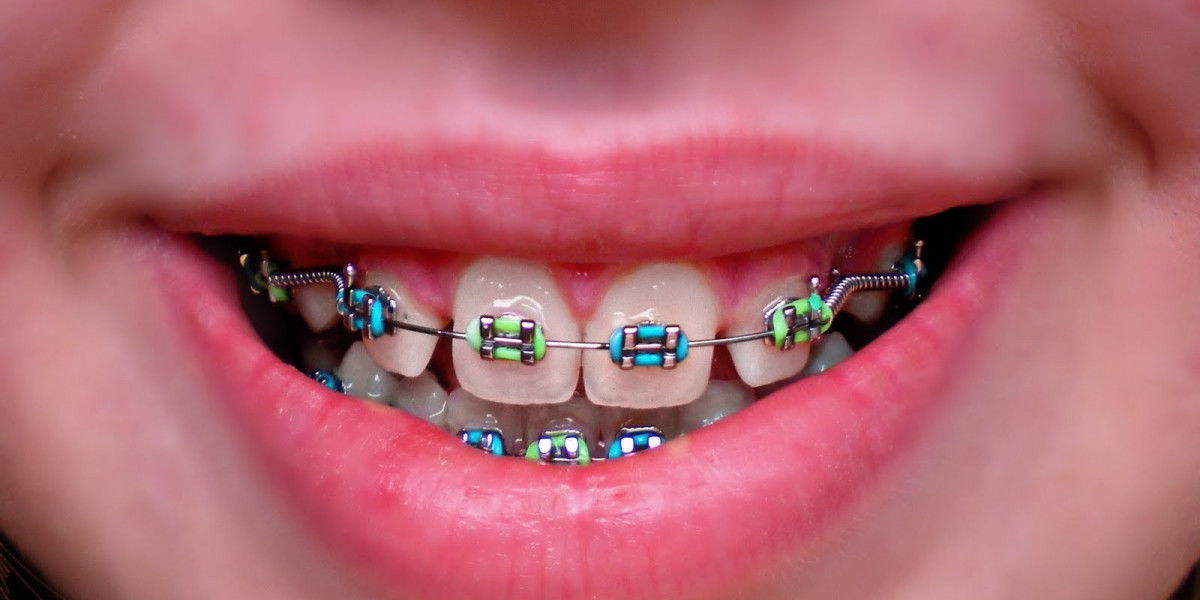

For anyone undergoing teeth braces treatment, adjustment appointments are a critical part of the process. These visits, often referred to as tightening sessions, ensure that the teeth continue moving toward proper alignment. Understanding what happens during these appointments can help patients feel more comfortable and prepared for minor discomfort or changes in daily routines.
Regular adjustments are essential for correcting crooked teeth, bite alignment issues, and spacing problems, ensuring efficient and effective orthodontic treatment.
Why Braces Need Adjustments?
Teeth Braces in Dubai work by applying gentle, continuous pressure to teeth, guiding them into proper positions. Over time, as teeth shift, the archwire and brackets need to be adjusted to maintain optimal pressure. Without periodic tightening, teeth movement slows, and the overall treatment timeline may be extended.
Adjustments also allow the orthodontist to monitor progress, identify potential issues like loose brackets or bent wires, and make corrections to prevent complications.
What Happens During a Braces Adjustment?
During a typical tightening appointment, the orthodontist examines the braces and checks how the teeth are moving. Small adjustments may include:
Replacing or tightening the archwire to apply precise pressure
Changing elastic ligatures that hold the wire to the brackets
Adding or adjusting rubber bands to correct bite alignment
Checking for loose or damaged brackets and repairing them if necessary
These procedures are usually quick and painless, though patients may feel mild pressure or discomfort immediately after.
Sensations After Braces Tightening:
It is normal to experience soreness or a feeling of tightness for a few days after an adjustment. This occurs because the teeth are responding to the increased pressure, gradually shifting into new positions.
Chewing may feel slightly uncomfortable during this period, and softer foods are recommended to minimize discomfort. Mild over-the-counter pain relievers or orthodontic wax for bracket irritation can help during the first 24 to 72 hours after tightening.
Tips for Managing Discomfort:
Adjusting to braces tightening is easier with a few practical strategies:
Eat soft foods such as yogurt, mashed potatoes, smoothies, or scrambled eggs
Use orthodontic wax on any brackets that rub against the cheeks or lips
Rinse the mouth with warm saltwater to soothe irritation
Take over-the-counter pain relievers if recommended by the orthodontist
Maintain excellent oral hygiene to prevent additional irritation from trapped food or plaque
These measures ensure comfort while allowing the teeth to continue moving efficiently.
How Often Adjustments Are Needed?
Braces adjustments typically occur every 4 to 6 weeks, depending on the orthodontist’s recommendations and the patient’s treatment plan. Regular visits are critical for maintaining the momentum of tooth movement and achieving the desired results within the estimated treatment timeline.
Skipping adjustments can delay progress, cause uneven movement, or lead to issues such as loose brackets, broken wires, or improper bite alignment.
What Patients Should Do Between Appointments?
Between tightening sessions, patients should:
Avoid hard, sticky, or chewy foods that could damage braces
Maintain consistent brushing and flossing to reduce plaque buildup
Wear elastics or other orthodontic appliances as instructed
Monitor for unusual pain, broken wires, or loose brackets and report them promptly
Consistent care and attention between appointments help ensure the teeth shift correctly and safely.
Benefits of Regular Adjustments:
Proper and timely Teeth Braces tightening ensures that teeth move at the correct pace and direction. Regular adjustments help:
Correct crowded or crooked teeth efficiently
Align bites for optimal chewing and jaw function
Close gaps and improve spacing for a uniform smile
Reduce the risk of complications, such as uneven tooth wear or gum issues
Patients who follow the orthodontist’s schedule and guidelines generally experience smoother treatment and faster results.
Final Thoughts:
Understanding the process of teeth braces adjustments helps patients approach appointments with confidence. Tightening sessions may cause temporary discomfort, but they are essential for gradually moving teeth into proper alignment, improving bite function, and ensuring long-term oral health.
By following orthodontist instructions, maintaining oral hygiene, and managing minor discomfort effectively, patients can make the most of each adjustment and move closer to a healthy, straight, and beautiful smile.















