
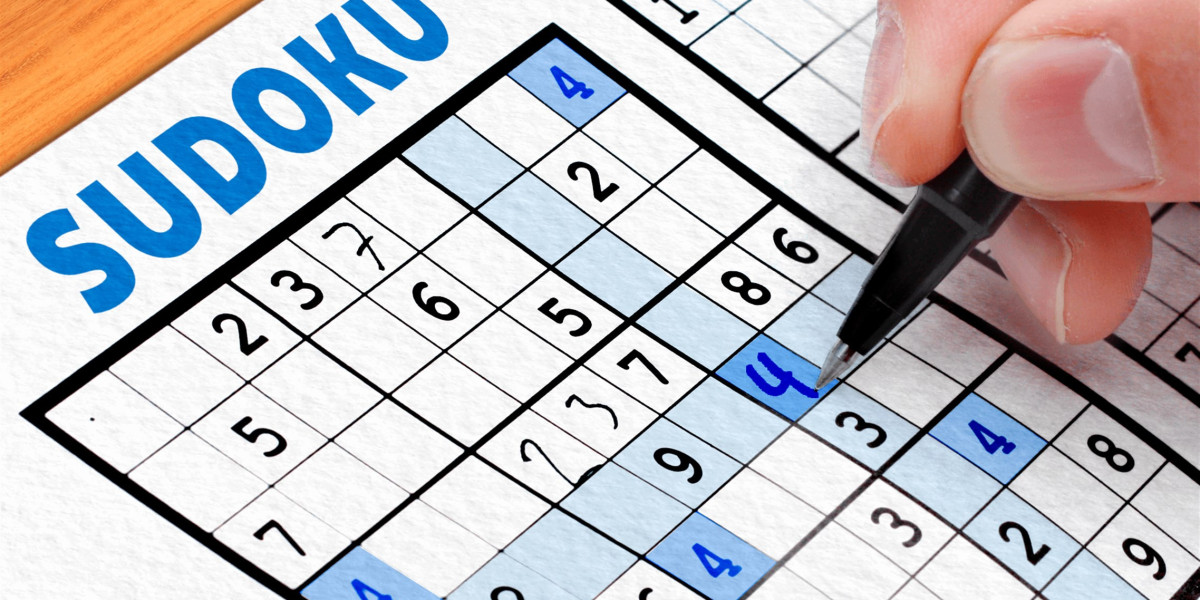

A Random Start That Turned Into a Habit
I didn’t plan to get into Sudoku. It just kind of happened.
One evening a few months ago, I was scrolling through random apps on my phone, looking for something light to play before bed. Not a big game, not something competitive—just a small distraction after a long day.
That’s when I downloaded a puzzle app that included Sudoku.
At first, I treated it like a quick brain exercise. I opened an easy puzzle, filled a few obvious numbers, and thought, Okay, this is pretty simple. Ten minutes later, I realized I was completely focused on the grid and had forgotten about everything else.
That’s when I knew something interesting was happening.
There’s something oddly satisfying about working through a Sudoku puzzle. It’s calm, quiet, and surprisingly engaging. Instead of reacting quickly like in many games, you slow down and think. And somehow that makes the experience much more rewarding.
The Strange Satisfaction of Filling a Grid
Tiny Discoveries That Feel Like Victories
What I love most about Sudoku is how it rewards small discoveries.
At the beginning of a puzzle, everything feels manageable. There are plenty of empty spaces, but also enough numbers to guide you. You scan a row, check a column, and suddenly realize that only one number can fit in a particular square.
That tiny moment of realization feels amazing.
It’s not a huge victory, but it’s enough to make you smile. One correct number leads to another, and slowly the puzzle begins to open up.
Sometimes it even feels like the grid is talking to you.
You start noticing patterns. Maybe a number already appears in the row and the box, so it can’t go there. Maybe a column is missing just one digit. Each observation brings you one step closer to the solution.
And step by step, the board fills up.
The Moment Everything Clicks
There’s always a moment in most Sudoku puzzles where progress suddenly speeds up.
You might struggle for several minutes, scanning the grid without finding anything useful. Then one number appears, unlocking another placement, then another.
Suddenly the puzzle flows.
It’s like a chain reaction where every correct move makes the next one easier. Within a few minutes, a puzzle that once looked impossible becomes completely solvable.
That moment is incredibly satisfying.
My Most Frustrating Puzzle So Far
Not every Sudoku experience is smooth.
One weekend morning, I decided to challenge myself with a puzzle labeled “Expert.” In hindsight, that was a bold decision.
The beginning went surprisingly well. I placed numbers confidently and felt like I was finally getting good at this game. But halfway through the puzzle, everything stopped.
I stared at the grid for nearly fifteen minutes.
Nothing.
Every square seemed to have multiple possibilities. I checked rows, columns, and boxes over and over again. Still nothing made sense.
At one point I seriously thought the puzzle might be broken.
But instead of quitting, I tried a different approach. I started analyzing one 3×3 box very carefully and writing down possible numbers for each empty square.
Slowly, one possibility disappeared.
Then another.
Eventually, one square had only one number left that could fit. That single number unlocked the next step, and suddenly the puzzle started moving again.
When I finally completed it, I actually felt proud of myself.
It’s funny how a small grid of numbers can create that kind of emotional journey.
Why Sudoku Feels So Relaxing
A Break From Digital Noise
We spend so much time jumping between notifications, messages, and social media updates. Our attention is constantly pulled in different directions.
Sudoku feels like the opposite of that.
When you sit down with a puzzle, the world becomes very simple: just numbers, logic, and patience. There’s no rush, no pressure, and no distractions.
You just focus.
That kind of calm concentration is surprisingly refreshing.
A Game That Rewards Patience
One lesson I’ve learned from Sudoku is that rushing almost always leads to mistakes.
In the beginning, I used to place numbers quickly because they “looked right.” That usually ended badly later in the puzzle. One wrong number can create a chain of confusion across the grid.
Now I take my time.
I double-check rows, columns, and boxes before committing to a number. The slower pace actually makes the puzzle more enjoyable.
Instead of guessing, you’re discovering.
A Few Tricks I Learned Along the Way
After playing Sudoku regularly, I’ve picked up a few habits that make solving puzzles easier.
1. Start With the Obvious Spots
At the beginning of every puzzle, look for rows or boxes that already contain many numbers. Those areas often have only one or two possibilities left.
It’s a great way to build early momentum.
2. Focus on One Area at a Time
Instead of scanning the entire grid randomly, I focus on one section—like a specific 3×3 box or column. This helps reduce visual overload and makes patterns easier to notice.
Small focus leads to big progress.
3. Don’t Be Afraid to Pause
If you feel stuck, step away for a minute.
Seriously.
Your brain processes patterns in the background, and when you return, the answer might appear instantly. This trick has saved me from many frustrating moments.
What Makes Sudoku Special
There are plenty of puzzle games out there, but Sudoku has something unique.
It doesn’t rely on luck.
Every puzzle has a logical solution, and the challenge is simply figuring out how to reach it. That sense of fairness makes the experience very satisfying. When you solve a puzzle, you know it was your reasoning that got you there.
Not chance.
Not random guessing.
Just logic.
And that’s what keeps bringing me back.
A Tiny Daily Ritual
These days, Sudoku has become a small part of my daily routine. Sometimes I play a quick puzzle in the morning while drinking coffee. Other times I solve one before going to sleep.
It’s like a mental warm-up or a relaxing cooldown depending on the time of day.
And no matter how many puzzles I complete, the feeling never gets old.
Each new grid is a fresh challenge waiting to be solved.
What About You?
So that’s my story with Sudoku.
Do you play it too?
What’s the hardest puzzle you’ve ever solved?
Feel free to comment and share your experience! And if you know any other fun brain games I should try next, I’d love to hear your suggestions.