
INTRODUCTION
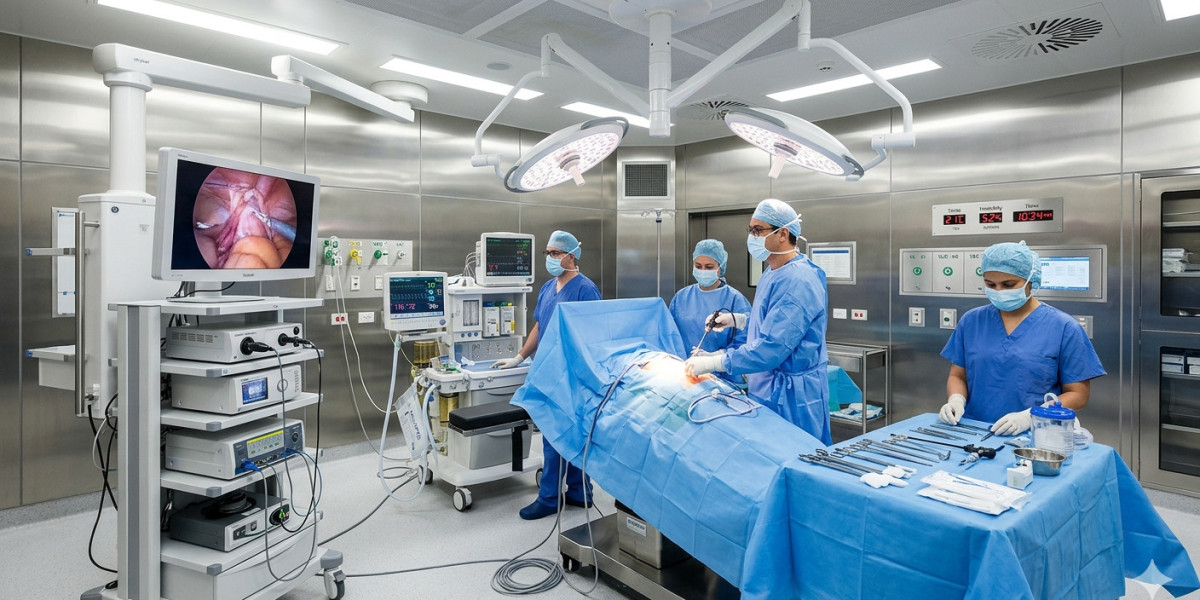
Modern healthcare facilities demand high standards of hygiene, precision, and efficiency, especially in surgical environments. One of the most important advancements in hospital infrastructure is the Modular Gynaec Operation Theatre. These advanced surgical environments are specifically designed to support gynecological procedures with enhanced safety, sterility, and operational efficiency. A Gynaec Modular Operation Theatre integrates advanced engineering, controlled airflow systems, sterile surfaces, and specialized equipment to ensure optimal surgical conditions and improved patient outcomes.
In this blog, we will explore what a modular gynecology operation theatre is, how it works, its key features, benefits, and why hospitals are increasingly adopting this modern solution.
Understanding a Modular Gynaec Operation Theatre
A Modular Gynaec Operation Theatre is a pre-engineered, factory-manufactured surgical room designed for gynecological surgeries. Unlike traditional operating rooms built entirely onsite, modular operation theatres are created using prefabricated panels and specialized components that are assembled within the hospital environment.
These theatres are designed to maintain strict infection control standards while providing surgeons with a comfortable, efficient workspace. The modular design allows hospitals to maintain consistent quality, better airflow control, and seamless integration of medical equipment.
A Gynaec Modular Operation Theatre is typically used for procedures such as:
- Cesarean sections
- Hysterectomy
- Laparoscopic gynecological surgeries
- Ovarian cyst removal
- Fibroid removal
- Fertility-related surgical procedures
These surgeries require extremely sterile environments, making modular systems ideal for maintaining surgical precision and patient safety.
Key Components of a Modular Gynaec Operation Theatre
A modular gynecology operation theatre includes several integrated components that ensure safety, hygiene, and efficiency.
1. Modular Wall Panels
The walls of a modular OT are made using prefabricated panels that are easy to clean and resistant to bacteria growth. These panels are usually constructed from materials like stainless steel, HPL, or PUF insulated panels.
Benefits include:
- Smooth and seamless surface
- Antibacterial coating
- Easy cleaning and maintenance
- Long lifespan
These panels also allow easy integration of medical gas outlets, electrical panels, and storage units.
2. Laminar Airflow System
One of the most critical parts of a Gynaec Modular Operation Theatre is the laminar airflow system. It ensures that clean, filtered air moves uniformly over the surgical area.
Key features include:
- HEPA filtration
- Controlled airflow patterns
- Reduced airborne contamination
- Maintenance of sterile surgical environment
Laminar airflow significantly reduces the risk of infections during surgeries.
3. HEPA Filtration System
High Efficiency Particulate Air (HEPA) filters are used to remove microscopic particles from the air.
These filters can remove:
- Dust particles
- Microorganisms
- Bacteria
- Airborne contaminants
HEPA filters help maintain air purity levels required for surgical procedures.
4. OT Lighting System
Proper lighting is essential for precise gynecological procedures.
Modular operation theatres use advanced surgical lights that provide:
- Shadow-free illumination
- Adjustable brightness
- Energy efficiency
- Better visibility during surgery
These lights ensure surgeons can operate with accuracy and minimal eye strain.
5. Operation Theatre Control Panel
A central control panel allows medical staff to monitor and control different parameters of the OT environment.
It controls:
- Temperature
- Humidity
- Air pressure
- Lighting
- Medical gas supply
This centralized system helps maintain the ideal operating conditions required during gynecological surgeries.
6. Medical Gas Pipeline System
Gynecological surgeries require multiple medical gases like oxygen, nitrous oxide, and vacuum lines.
The modular OT integrates medical gas pipelines within wall panels, ensuring:
- Safe gas supply
- Easy accessibility
- Organized layout
This integration reduces clutter and improves safety inside the operation theatre.
7. Hermetically Sealed Doors
Modular operation theatres use airtight sliding doors to maintain controlled air pressure and prevent contamination.
These doors offer:
- Smooth operation
- Airtight sealing
- Automatic functionality
- Easy sanitation
Such doors help maintain sterile surgical environments.
Advantages of a Modular Gynaec Operation Theatre
Hospitals and healthcare centers are increasingly adopting modular operation theatres due to their numerous advantages.
1. Superior Infection Control
One of the biggest benefits is the ability to maintain a sterile environment. The seamless surfaces, HEPA filtration, and laminar airflow significantly reduce infection risks.
2. Faster Installation
Traditional operating theatres can take months to construct. In contrast, modular operation theatres can be installed much faster due to their prefabricated components.
3. Easy Maintenance
Modular systems are designed for easy cleaning and maintenance. Damaged panels can be replaced without reconstructing the entire room.
4. Flexible Design
Hospitals can customize the layout according to their needs. Modular operation theatres allow easy integration of equipment, lighting systems, and medical utilities.
5. Improved Efficiency
Better lighting, organized equipment placement, and optimized airflow improve the efficiency of surgical teams.
6. Long-Term Cost Savings
While initial installation costs may be higher than conventional OTs, modular systems reduce long-term maintenance and operational costs.
Importance of Modular Operation Theatres in Gynecology
Gynecological surgeries require a highly controlled surgical environment due to the sensitive nature of procedures. Any contamination or infection risk can have serious consequences for patients.
A Gynaec Modular Operation Theatre helps maintain strict sterilization standards and ensures:
- Reduced surgical site infections
- Better surgical precision
- Faster patient recovery
- Higher safety standards
These advanced operation theatres support modern medical practices and improve overall patient care.
Design Considerations for a Gynaec Modular Operation Theatre
Several important factors must be considered while designing a modular gynecology OT.
Space Planning
The layout should allow easy movement of surgeons, nurses, and medical equipment.
Air Pressure Management
Positive pressure should be maintained to prevent contaminated air from entering the OT.
Temperature and Humidity Control
Optimal temperature and humidity levels ensure comfort for surgical staff and reduce bacterial growth.
Sterile Storage
Adequate storage space for surgical instruments and supplies is necessary to maintain workflow efficiency.
Integration with Hospital Infrastructure
The OT must connect seamlessly with ICU units, labor rooms, and recovery areas.
Future of Modular Operation Theatres in Healthcare
With advancements in medical technology, modular operation theatres are becoming the new standard for hospitals worldwide. Innovations such as smart OT systems, automated monitoring, and advanced airflow technologies are further improving surgical safety and efficiency.
Healthcare facilities are focusing on building operation theatres that meet international standards while supporting modern surgical techniques like minimally invasive and robotic surgeries.
As patient safety and hospital hygiene continue to be top priorities, modular operation theatres will play a crucial role in shaping the future of healthcare infrastructure.
Frequently Asked Questions (FAQs)
1. What is a Modular Gynaec Operation Theatre?
A Modular Gynaec Operation Theatre is a prefabricated surgical room designed specifically for gynecological procedures. It includes advanced systems such as laminar airflow, HEPA filtration, modular wall panels, and integrated medical equipment to maintain sterile surgical conditions.
2. Why is a Gynaec Modular Operation Theatre important for hospitals?
A Gynaec Modular Operation Theatre helps hospitals maintain strict infection control standards, improves surgical efficiency, and provides a safe environment for complex gynecological procedures.
3. What are the main features of a Modular Gynaec Operation Theatre?
Key features of a Modular Gynaec Operation Theatre include laminar airflow systems, HEPA filters, modular wall panels, medical gas pipelines, OT lighting systems, hermetically sealed doors, and central control panels.
4. How does a Gynaec Modular Operation Theatre reduce infection risks?
A Gynaec Modular Operation Theatre uses controlled airflow systems, antibacterial surfaces, and HEPA filtration to remove airborne contaminants and maintain sterile surgical conditions.
5. Can a Modular Gynaec Operation Theatre be customized?
Yes, a Modular Gynaec Operation Theatre can be customized according to hospital requirements, including layout design, equipment placement, lighting systems, and integrated medical utilities.
Conclusion
Modern healthcare demands advanced surgical environments that ensure precision, safety, and hygiene. Modular operating theatres provide an innovative solution that meets these requirements while improving operational efficiency. By integrating advanced airflow systems, sterile materials, and smart design, hospitals can create highly controlled environments for gynecological surgeries. Solutions developed by Altus Airflow help healthcare facilities achieve international surgical standards while enhancing patient safety and medical performance.