
Modern routines often swing between long hours at a desk and bursts of physical effort. One moment you’re seated, focused on a screen, and the next you’re heading to the gym, going for a run, or joining a weekend sport. While this shift may feel productive, it places a unique kind of stress on the body. Muscles that have been inactive for hours are suddenly expected to perform, often without preparation.
This is where the idea behind sports massage sydney becomes increasingly relevant. Rather than being reserved for elite athletes, it has become part of how everyday people manage the transition between sedentary work and active living. Understanding how this works starts with recognising what prolonged sitting actually does to the body.
The Physical Impact of a Desk-Based Lifestyle
Spending hours seated affects far more than posture. Over time, the body adapts to stillness in ways that may limit movement and performance.
One of the most noticeable changes is the tightening of specific muscle groups. Hip flexors shorten, shoulders round forward, and the neck often shifts into a forward position. These changes are not just cosmetic. They influence how the body moves, how muscles activate, and how force is distributed during exercise.
At the same time, other muscles become underused. Glutes and core stabilisers may not engage as they should, leading to imbalances. When you move straight from this state into activity, the body may compensate, placing extra strain on joints and surrounding tissues.
Circulation also plays a role. Sitting for long periods may reduce blood flow, which means muscles are not as well supplied with oxygen and nutrients. When you suddenly demand performance from them, they may fatigue more quickly or respond less efficiently.
For those trying to maintain a consistent fitness routine, this mismatch between inactivity and exertion often leads to frustration. Progress feels slow, soreness lingers, and minor discomfort may escalate into injury if left unchecked.
Why Jumping Straight Into Exercise May Not Be Enough
Many people rely on a quick warm-up to prepare for activity, but this may not fully address the deeper tension built up during the day. Tight muscles do not always respond immediately to stretching alone, especially when they have been in a shortened position for hours.
When movement patterns are affected by imbalance, the body may rely on compensations. This might show up as a slight shift in posture during a squat, uneven stride while running, or discomfort in areas that are not directly related to the activity itself.
Over time, these small adjustments may lead to overuse injuries. Strains, joint irritation, and persistent tightness are often not the result of a single event, but a gradual build-up of stress.
This is where targeted recovery strategies come into focus. Instead of only preparing the body on the surface, there is value in addressing the underlying tension that builds throughout the day.
The Role of Sports Massage in Supporting Movement
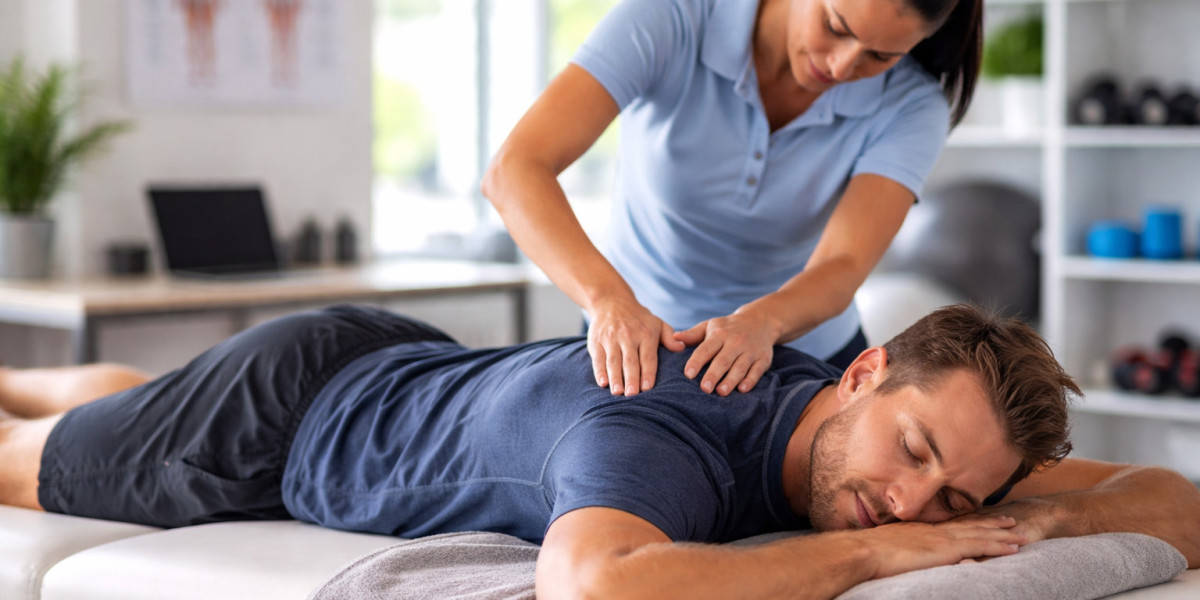
Sports massage focuses on the deeper layers of muscle and connective tissue. It is not simply about relaxation, but about improving how the body functions as a whole.
One of its key roles is helping muscles return to a more balanced state. By working through areas of tightness, it may assist in restoring length and flexibility. This can make movement feel smoother and more controlled, particularly when transitioning from a seated position to activity.
Another benefit lies in circulation. Massage techniques may encourage blood flow, supporting the delivery of oxygen and nutrients to muscle tissue. This can contribute to better performance and more efficient recovery after exercise.
It also plays a role in awareness. Many people are not fully aware of where they hold tension until it is addressed directly. Identifying these areas may help guide better movement habits, whether that involves adjusting posture, refining technique, or modifying training intensity.
For those balancing work and fitness, this approach helps bridge the gap between inactivity and movement in a more considered way.
Why Sports Massage Sydney Is Becoming Part of Everyday Routines
There has been a noticeable shift in how people approach recovery. It is no longer seen as something only required after intense competition. Instead, it has become part of maintaining consistency in daily life.
In cities where work is often desk-based, the demand for practical recovery strategies continues to grow. Many individuals are looking for ways to stay active without feeling held back by stiffness or recurring discomfort.
As a result, services related to sports massage sydney are being used by a wide range of people. Office workers, casual gym-goers, and those returning to exercise after a break are all recognising its value.
For those exploring options, some turn to trusted sports massage therapists in Sydney to better manage the physical demands that come with combining sedentary work and regular activity. This kind of support fits naturally into a broader approach to health, where prevention and maintenance are prioritised.
Everyday Scenarios Where Sports Massage Makes a Difference
The benefits of sports massage often become clearer when viewed through real-life situations.
For someone returning to exercise after time away, muscles may feel tight and unresponsive. Early sessions at the gym can lead to soreness that lingers longer than expected. Addressing underlying tension may help ease this transition, making it easier to build consistency without setbacks.
For those who train regularly while working at a desk, the contrast between inactivity and exertion is ongoing. Tight hips and shoulders may limit performance, even if strength and endurance are improving. In this case, massage may support better movement patterns, allowing training efforts to translate more effectively.
Weekend activity is another common example. Many people spend the week seated and then engage in sport or outdoor activities over a short period. This sudden increase in demand places pressure on the body. Preparing muscles ahead of time and supporting recovery afterwards may reduce the likelihood of strain.
These scenarios highlight a simple idea. Movement is not just about what happens during exercise. It is influenced by everything that happens before and after.
Integrating Sports Massage Into a Weekly Routine
Incorporating sports massage does not require a complete overhaul of your schedule. Instead, it may complement existing habits.
Timing is one factor to consider. Some people prefer sessions before activity to prepare muscles, while others focus on recovery afterwards. The right approach depends on individual goals and how the body responds.
Consistency also matters. Occasional sessions may provide relief, but regular care may contribute to longer-term improvements in movement and comfort. This does not mean frequent appointments are always necessary. Even periodic sessions may support better balance over time.
Massage is most effective when combined with other habits. Stretching, mobility work, and ergonomic adjustments at your workspace all play a role. Together, they create an environment where the body is better supported throughout the day.
Listening to your body is equally important. Persistent tightness, reduced range of motion, or recurring discomfort are signals that something may need attention. Addressing these early may help avoid more significant issues later on.
For those interested in sharing or exploring more approaches to lifestyle and recovery, platforms like https://aijoining.com/create-blog/ offer opportunities to engage with broader health and wellbeing discussions. You may also find value in contributing your own experiences through pages such as create a blog on AIJoining, where topics around movement, balance, and daily habits continue to evolve.
Long-Term Benefits of Bridging the Gap Properly
When the transition between desk work and activity is managed well, the benefits extend beyond immediate comfort.
Movement becomes more efficient. Exercises feel smoother, and progress becomes easier to maintain. Instead of working against tightness and imbalance, the body is better prepared to perform.
The likelihood of recurring injuries may also decrease. By addressing tension early and maintaining better muscle balance, strain on joints and tissues is reduced.
Posture often improves as well. When muscles are not constantly pulling the body out of alignment, it becomes easier to maintain a more natural position throughout the day.
Perhaps most importantly, overall energy levels may feel more stable. When the body is not dealing with constant discomfort or fatigue, it becomes easier to stay active and engaged.
Final Thoughts: Moving Between Work and Activity With More Awareness
Balancing a desk-based lifestyle with regular exercise is now a common part of daily life. While this shift presents challenges, it also opens the door to more thoughtful approaches to movement and recovery.
Rather than viewing exercise and rest as separate, it helps to see them as connected. What happens during the workday influences how the body performs later on, and how you recover shapes what you are able to do next.
In this context, sports massage sydney fits into a broader picture. It supports the transition between stillness and movement, helping the body respond more effectively to both.
For those looking to stay active without being held back by tension or imbalance, it offers a practical way to move forward with greater ease.