
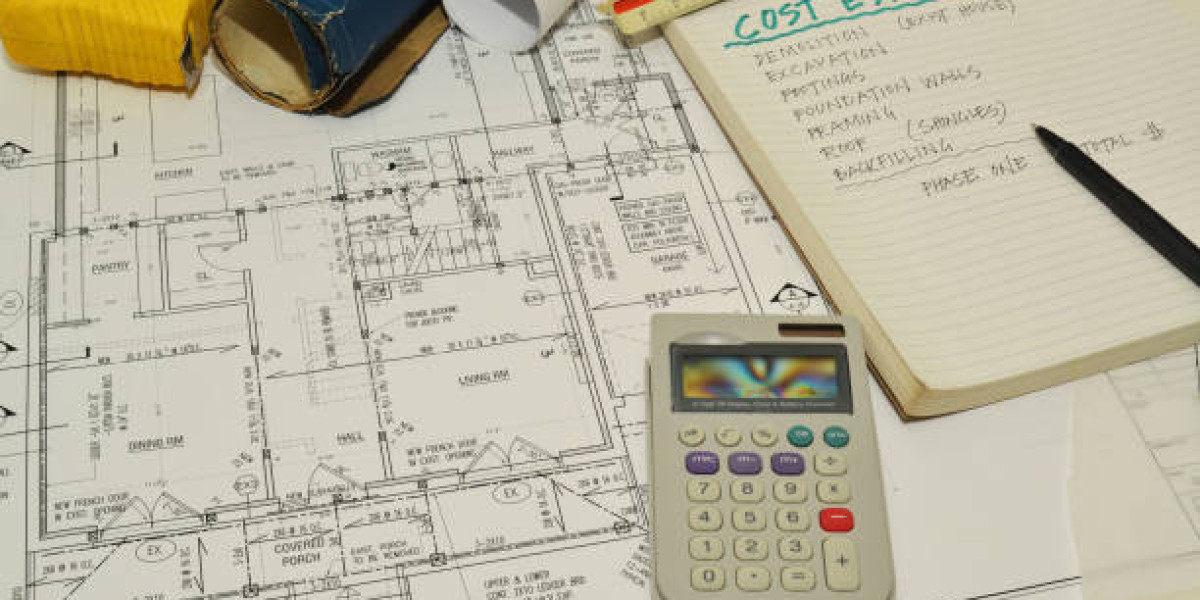

Construction estimating can feel overwhelming for small contractors who are just starting out. Accurately predicting project costs is crucial—not only to secure projects but also to maintain profitability. Without a solid estimate, you risk underbidding and losing money or overbidding and losing competitive advantage. Fortunately, there are beginner-friendly strategies that can help small contractors navigate the world of construction estimating with confidence.
If you’re looking for a reliable construction estimator, tools like Openings Estimating Services can provide invaluable support for generating precise estimates and streamlining the process.
Understanding Construction Estimating
At its core, construction estimating involves predicting the total cost of a project before work begins. This includes materials, labor, equipment, subcontractors, permits, and overhead. For small contractors, the goal is to create an estimate that is accurate enough to win bids while protecting profit margins.
There are two main types of estimates:
Preliminary Estimates: Rough estimates used during the planning stage to determine feasibility.
Detailed Estimates: In-depth calculations used when preparing bids for contracts.
Understanding the difference helps contractors determine how much time and detail they need to put into each project’s estimate.
Step 1: Organize Project Information
Before you can estimate costs, gather all relevant project documents. This typically includes:
Project drawings and specifications
Scope of work
Site conditions
Material requirements
Timeline and schedule constraints
Organizing this information early allows you to reduce errors and omissions, which are the most common causes of inaccurate estimates.
Step 2: Break Down the Project into Tasks
Once you have your project information, divide the work into smaller, manageable tasks. This is often called a work breakdown structure (WBS).
For example, if you’re building a small residential home, your WBS might include:
Foundation
Framing
Roofing
Electrical
Plumbing
Finishes
Breaking projects into tasks ensures that no component is overlooked and makes it easier to assign labor, materials, and costs accurately.
Step 3: Estimate Material Costs
Materials often represent a significant portion of a project’s budget. Start by listing all the materials required for each task, including quantities and unit costs.
Tips for material estimation:
Use supplier price lists or recent invoices for reference.
Account for waste and overages (usually 5–10%).
Consider seasonal price fluctuations, especially for lumber and steel.
Accurate material estimation can prevent budget overruns and ensure that you can source everything on time.
Step 4: Estimate Labor Costs
Labor costs can vary based on location, skill level, and project complexity. To estimate labor:
Identify the trades required for each task.
Estimate the number of hours each trade will need.
Multiply hours by the hourly rate for each trade.
Don’t forget to include indirect labor costs such as supervision, safety compliance, and overtime. For small contractors, accurate labor estimates are critical since labor often accounts for a large percentage of project costs.
Step 5: Include Equipment and Subcontractor Costs
Some projects require specialized equipment or subcontracted work. Include these costs in your estimate:
Equipment Costs: Rental or purchase costs, fuel, and maintenance.
Subcontractor Costs: Quotes from subcontractors should be obtained in writing.
This ensures that your estimate covers all aspects of project execution without surprises.
Step 6: Add Overhead and Contingencies
Overhead includes the indirect costs of running your business, such as office rent, utilities, insurance, and administrative expenses. A common approach is to calculate overhead as a percentage of direct project costs (typically 10–20%).
Additionally, include a contingency allowance (usually 5–10%) to cover unforeseen issues like design changes or material delays. Including contingencies protects your profit margin and reduces risk.
Step 7: Review and Adjust
After preparing your initial estimate, review it carefully. Check for:
Missing tasks or materials
Incorrect quantities or unit prices
Labor miscalculations
Over- or under-estimated overhead
It’s often helpful to have a second set of eyes, such as a mentor or experienced estimator, review your calculations. This can help catch mistakes that could be costly.
Step 8: Use Technology to Simplify Estimating
For small contractors, manual estimating can be time-consuming and error-prone. Software solutions can automate calculations, track costs, and generate professional proposals. Tools like Openings Estimating Services provide cloud-based solutions for cost tracking, bid management, and detailed reporting—all tailored for small contractors.
Investing in the right technology can save hours of manual work and increase the accuracy of your estimates, helping you stay competitive and profitable.
Step 9: Learn from Each Project
Construction estimating is a skill that improves with experience. After completing a project, compare your estimated costs to actual costs:
Did you overestimate or underestimate materials or labor?
Were there unexpected expenses?
Which areas could be improved for the next estimate?
Maintaining a project history allows you to refine future estimates and build a stronger reputation for accuracy.
Step 10: Tips for Beginner-Friendly Estimating
Start small: Focus on small projects to practice and build confidence.
Standardize your process: Create templates for material lists, labor calculations, and overhead.
Keep learning: Attend workshops, read industry guides, and network with experienced contractors.
Communicate clearly: Include detailed explanations in bids to justify costs to clients.
By following these tips, even beginners can develop reliable estimates and win projects without sacrificing profitability.
Conclusion
Construction estimating may seem intimidating at first, but with organization, careful calculation, and the right tools, small contractors can master it. Remember to break down projects into manageable tasks, track materials and labor carefully, include overhead and contingencies, and leverage technology for efficiency.
For small contractors looking for support in Canada, partnering with a construction estimator Canada like Openings Estimating Services can simplify the process and provide confidence in your bids. Over time, each estimate becomes a learning opportunity, helping you grow your contracting business with accuracy and professionalism.
Ubicación del Autor
260300 Writing Creek Cres