
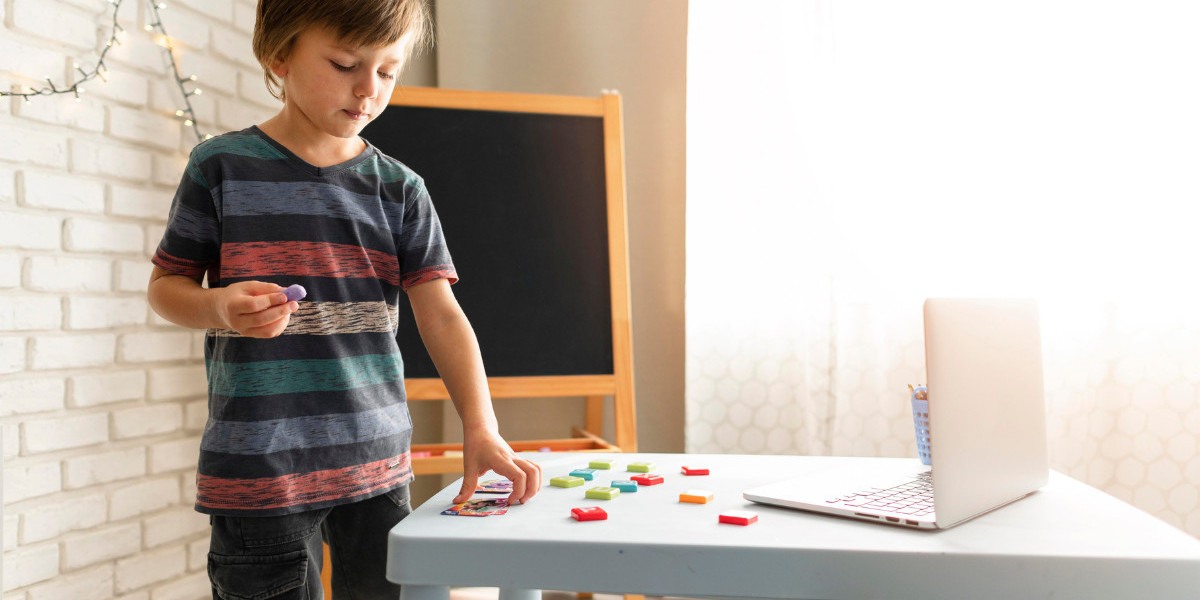

In-home ABA therapy has become an increasingly preferred approach for families seeking personalized, effective support for their children. By delivering therapy directly in a child’s natural environment, this method creates meaningful opportunities for growth, learning, and long-term progress. Unlike clinic-based sessions, in-home ABA therapy focuses on real-life situations, helping children develop essential skills where they feel most comfortable.
This article explores how in-home ABA therapy works and why it plays such a powerful role in helping children thrive.
What Is In-Home ABA Therapy?
In-home ABA therapy is a structured, evidence-based approach that takes place within a child’s home. A trained therapist works one-on-one with the child, using proven techniques to encourage positive behaviors, improve communication, and build everyday life skills.
Because sessions occur at home, therapists can observe the child’s natural routines and tailor strategies to fit their specific needs. This individualized attention allows for more relevant and practical learning experiences compared to more generalized settings.
The Power of a Familiar Environment
One of the biggest advantages of in-home ABA therapy is the comfort of a familiar environment. Children tend to feel more relaxed and secure in their own homes. This sense of comfort can lead to better engagement, increased participation, and faster progress.
When therapy takes place in a familiar space:
- Children are more likely to express themselves naturally
- Daily routines can be incorporated into learning
- There is less anxiety compared to unfamiliar settings
This natural setting helps therapists teach skills that directly apply to the child’s everyday life, making learning more meaningful and sustainable.
Personalized and Individualized Support
Every child learns differently, which is why personalization is at the heart of in-home ABA therapy. Therapists create customized plans based on the child’s strengths, challenges, and goals.
In-home sessions allow therapists to:
- Focus entirely on one child without distractions
- Adjust techniques in real time
- Use household items and routines as teaching tools
This level of customization ensures that each session is both effective and engaging. Over time, children build confidence as they master new skills in a supportive and familiar setting.
Learning Through Everyday Activities
One of the most practical benefits of in-home ABA therapy is the ability to teach skills through everyday activities. Instead of relying on simulated scenarios, therapists use real-life situations to encourage learning.
For example, children can learn:
- Communication skills during mealtime
- Following instructions while getting dressed
- Social interaction during playtime with family members
- Daily living skills like cleaning up or organizing toys
Because these lessons occur in real contexts, children are more likely to retain and apply what they learn. This approach bridges the gap between therapy and daily life.
Stronger Family Involvement
In-home ABA therapy naturally encourages family involvement, which plays a crucial role in a child’s progress. Parents and caregivers are not just observers—they become active participants in the learning process.
Therapists often guide families on how to:
- Reinforce positive behaviors
- Respond effectively to challenges
- Maintain consistency outside of therapy sessions
This collaboration ensures that progress continues even when the therapist is not present. Over time, families gain confidence and feel more empowered to support their child’s development.
Consistency Leads to Better Outcomes
Consistency is a key factor in any successful therapy program. In-home ABA therapy makes it easier to maintain consistency because it integrates learning into daily routines.
Instead of limiting progress to scheduled sessions, children practice skills throughout the day. This repetition helps reinforce learning and leads to more lasting results.
Consistency in the home environment also reduces confusion. Children receive the same guidance from both therapists and family members, creating a stable and predictable learning experience.
Reduced Transition Challenges
Traveling to clinics or unfamiliar locations can sometimes be overwhelming or disruptive to a child’s routine. In-home ABA therapy eliminates the need for transitions, allowing sessions to begin in a calm and controlled environment.
This can lead to:
- More productive sessions
- Better focus and attention
- Increased willingness to participate
By removing external stressors, children can fully concentrate on learning and development.
Building Independence
A major goal of in-home ABA therapy is to help children become more independent in their daily lives. Because therapy takes place in the home, children practice skills exactly where they are needed.
This includes:
- Completing daily tasks independently
- Communicating needs effectively
- Managing routines with minimal assistance
As children gain confidence in their abilities, they become more self-reliant. This independence not only benefits the child but also enhances the overall quality of life for the entire family.
Flexible and Convenient for Families
In-home ABA therapy offers a level of flexibility that many families find invaluable. Sessions can be scheduled around the family’s routine, making it easier to balance therapy with other responsibilities.
Benefits of this flexibility include:
- No travel time or commuting stress
- Sessions that fit into daily schedules
- A comfortable setting for both the child and family
This convenience ensures that therapy remains consistent and accessible, even for busy households.
Long-Term Impact
The ultimate goal of in-home ABA therapy is to create lasting, positive change. By focusing on real-life skills in a familiar environment, children develop abilities that carry over into different areas of their lives.
Over time, families often notice:
- Improved communication and interaction
- Greater independence in daily tasks
- Stronger relationships within the household
These long-term benefits highlight the effectiveness of in-home ABA therapy as a practical and impactful approach.
Conclusion
In-home ABA therapy offers a unique and powerful way to support children’s growth by bringing structured learning into their everyday environment. By focusing on personalized strategies, real-life situations, and family involvement, this approach helps children build essential skills in a setting where they feel safe and confident.
From improving daily routines to fostering independence, in-home ABA therapy creates meaningful progress that extends beyond therapy sessions. For families seeking a supportive and practical solution, this method provides a pathway for children to truly thrive in the place they know best—their home.