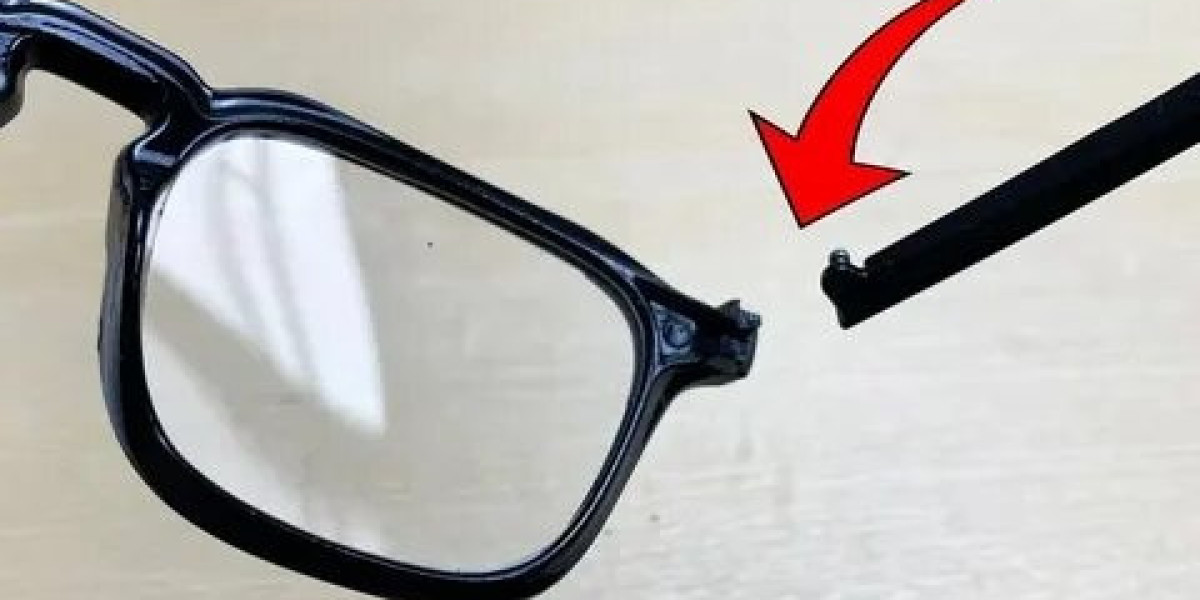

Glasses are an important part of daily life for many people. They help with clear vision, protect the eyes, and support comfort during reading, driving, screen use, and outdoor activities. So when frames become loose, bent, or broken, the problem can quickly affect both vision and convenience. This is why many people start looking for spectacle frame repairs as soon as damage appears.
A common question is whether to repair glasses at home or take them to a professional. Both options can be useful, but the best choice depends on the type of damage, the frame material, the tools available, and the risk of making the problem worse. In some cases, a simple home fix works well. In others, professional repair is the safer and more effective option.
This guide explains the difference between DIY and professional spectacle frame repairs in simple terms, so beginners can make the right decision.
Why Spectacle Frame Repairs Matter
Damaged glasses are not just inconvenient. They can also affect how well your lenses sit in front of your eyes. Even a small bend in the frame can change fit, create pressure on the nose or ears, and reduce comfort. Broken hinges, missing screws, or temples can also make glasses unstable.
Good spectacle frame repairs can:
Extend the life of your glasses
Improve fit and comfort
Prevent lens damage
Save money compared with immediate replacement
Help you continue daily uses of your eyewear without interruption
However, not every repair should be handled the same way.
Common Types of Frame Damage
Before choosing DIY or professional help, it is important to understand the type of damage.
Loose Screws
This is one of the most common issues. Screws in the hinges may loosen over time with daily opening and closing.
Bent Frames
Metal and plastic frames can become bent after being dropped, sat on, or stored incorrectly.
Broken Hinges
A hinge may snap, become misaligned, or stop moving smoothly.
Broken Plastic Frames
Plastic frames may develop small broken frames near the bridge, lens rim, or temple arms.
Loose Nose Pads
On some glasses, nose pads may shift, loosen, or fall off.
Broken Temples
The side arms may weaken or break completely after long use.
Each of these problems needs a different repair method. That is why choosing the right repair approach is so important.
DIY Spectacle Frame Repairs: What They Include
DIY spectacle frame repairs usually involve simple home methods or small repair kits. These kits may contain mini screwdrivers, extra screws, nose pads, and basic tools.
Common DIY Uses
DIY repairs are usually best for minor issues, such as:
Tightening loose screws
Replacing a missing screw
Adjusting slightly bent metal temples
Reattaching nose pads
Temporary taping of a broken area until proper repair is available
These home solutions can be helpful when the damage is mild and the person handling the repair is careful.
Benefits of DIY Repairs
Lower Immediate Cost
One reason people try DIY spectacle frame repairs is cost. A small repair kit is often cheaper than a professional service.
Quick Response
If your glasses become loose at home, a simple fix can save time.
Useful for Small Problems
Very minor issues, especially screws and nose pads, can sometimes be handled successfully without outside help.
Helpful as a Temporary Solution
DIY repair may keep the glasses usable until you can get expert attention.
Risks of DIY Spectacle Frame Repairs
While home repair can be convenient, it also has limits.
Higher Chance of Further Damage
Trying to bend frames back into shape without the right technique can break plastic or weaken metal. Applying too much force can damage the hinge or even pop the lens out.
Poor Results with Strong Adhesives
Some people use glue on broken frames. This can create an uneven bond, leave visible marks, and make future professional spectacle frame repairs more difficult. Adhesives near lenses can also affect lens coatings.
Wrong Tool Use
Using household tools instead of precision eyewear tools may strip screws or scratch the frame.
Temporary Fixes May Not Last
A repair that looks fine at first may fail after a few days of normal use.
Hygiene Concerns
Dirty frames can irritate the skin. In some cases, irritation around the nose, ears, or eyelids may not be caused by the frame itself. It could be due to poor cleaning, allergic contact reactions, or even a skin condition. If redness, itching, rash, swelling, or flaking develops, do not assume spectacle frame repairs are the only answer.
Professional Spectacle Frame Repairs: What They Include
Professional spectacle frame repairs are done by trained experts who understand eyewear structure, frame materials, lens fitting, and alignment.
A professional repair service may include:
Frame reshaping
Hinge repair or replacement
Temple replacement
Ultrasonic cleaning
Nose pad replacement
Lens refitting
Plastic frame bonding with proper methods
Heat adjustment for better fit
Professionals also know when a frame is beyond repair and when replacement is the safer option.
Benefits of Professional Repairs
Better Accuracy
Professionals use proper tools designed for eyewear. This allows more precise adjustments and a better final fit.
Safer for Expensive Glasses
If your glasses have premium lenses, coatings, or designer frames, professional spectacle frame repairs reduce the risk of accidental damage.
Longer-Lasting Results
Expert repairs are usually more durable than basic DIY fixes.
Material-Specific Knowledge
Metal, acetate, titanium, rimless, and semi-rimless frames all behave differently. A professional understands these differences.
Fit and Comfort Check
After repair, the glasses can be adjusted so they sit evenly on the face. This is important for vision and comfort.
Downsides of Professional Repairs
Higher Cost
Professional work may cost more than a home repair kit, especially for major damage.
Time Needed
You may need to visit a shop or wait for the repair to be completed.
Not Every Frame Can Be Saved
Sometimes the damage is too severe, and even professional spectacle frame repairs may not be possible.
DIY vs Professional: Which Option Is Best?
The best option depends on the situation.
Choose DIY if:
The screw is loose or missing
A nose pad needs simple replacement
The frame is only slightly bent
You need a short-term temporary fix
You have the correct eyewear tools and feel confident using them
Choose Professional Repair if:
The frame is broken
The hinge is damaged
The lenses are loose because the frame is warped
The glasses are expensive or medically important
The fit feels uneven after damage
DIY attempts have already failed
In most cases, small maintenance tasks are suitable for home care, but structural damage is better left to experts.
A Medical Note: When the Problem Is Not Just the Frame
Because glasses sit close to the skin, some people confuse skin symptoms with simple frame discomfort. If your glasses cause itching, redness, scaling, or soreness on the nose bridge or behind the ears, the issue may be more than repair-related.
For example, irritation may be linked to sweat, poor hygiene, metal sensitivity, or skin infection. In some cases, fungal infection can affect skin folds around the face or ears. A yeast infection may also occur in warm, moist skin areas, especially in people with diabetes or sensitive skin. These are medical concerns, not just repair concerns.
Treatment depends on the cause. The uses of medicated creams or ointments vary, and dosage should follow medical advice or the product label. Never apply random glue, harsh chemicals, or strong cleaning liquids to irritated skin. Possible side effects of incorrect treatment may include more redness, burning, dryness, or delayed healing. Basic precautions include keeping frames clean, drying the skin well, and seeking medical care if symptoms do not improve.
This is important because the best solution may not be spectacle frame repairs alone.
Precautions Before Trying Any Repair
Whether you choose DIY or professional help, follow these precautions:
Inspect the Damage Carefully
Look at the hinge, bridge, temples, and lens position before touching anything.
Clean the Frame Gently
Dirt and oil can hide breach and make repair harder.
Avoid Excess Force
Small parts can break quickly under pressure.
Keep Lenses Protected
Place glasses on a soft cloth during repair attempts.
Use Only Proper Eyewear Tools
Do not use oversized screwdrivers or sharp pliers without protection.
Know When to Stop
If the frame resists adjustment or the broken part grows, stop immediately and seek professional repair.
How to Make Your Frames Last Longer
Prevention is always better than repair. To reduce the need for frequent spectacle frame repairs:
Store glasses in a hard case
Clean them regularly with suitable products
Use both hands when removing them
Avoid placing them face down
Do not leave them in high heat, such as inside a car
Tighten loose screws early before damage spreads
These simple habits can greatly improve the lifespan of your eyewear.
Final Thoughts
Both DIY and professional spectacle frame repairs have a place. DIY methods are useful for minor, simple issues and temporary fixes. They can save time and money when used carefully. But for broken hinges, broken frames, poor alignment, or valuable glasses, professional repair is usually the better choice.
The most important thing is to match the repair method to the level of damage. A quick home fix may seem easy, but it can lead to more damage if the problem is serious. Professional care offers better accuracy, safer handling, and stronger long-term results.
If you are dealing with a small screw problem, DIY may be enough. If your frames are structurally damaged, uncomfortable, or linked with skin irritation, expert help is often the smartest option. In the end, the best choice is the one that protects your glasses, your comfort, and your eye health.
Ubicación del Autor
United States of America