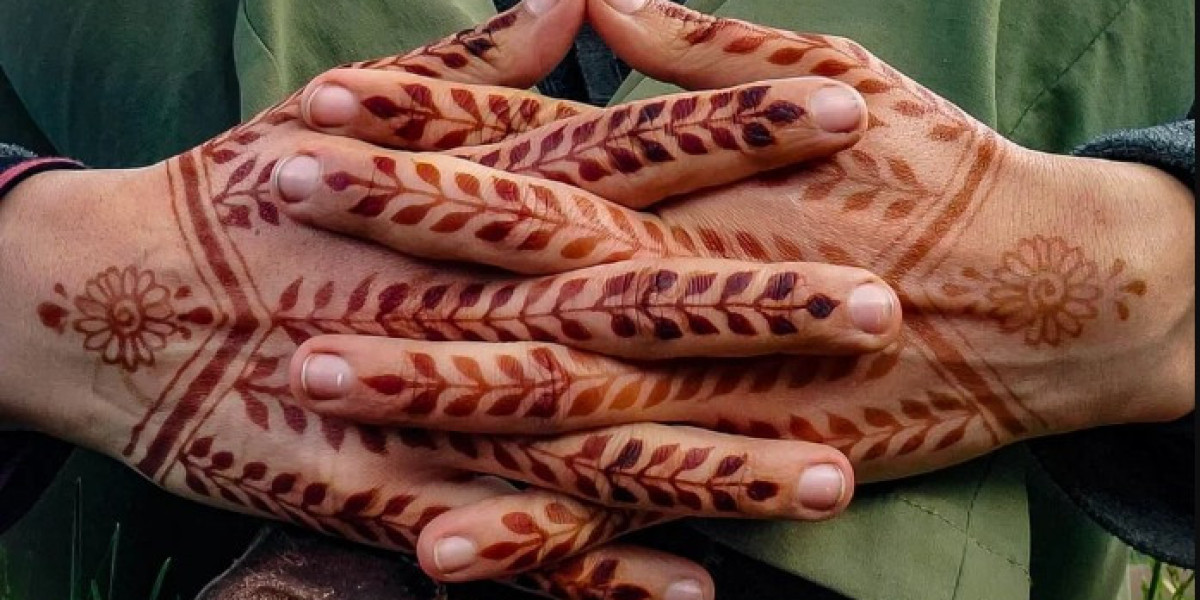

The art of henna, or Mehndi, is a practice rooted in precision, patience, and repetitive motion. While the beauty of the final stain is universal, the physical process of application can be exclusionary for those with motor differences, chronic pain, or ergonomic needs. For many years, the standard henna cone—a small, hand-rolled plastic foil filled with paste—has been the primary tool of the trade. However, its design inherently favors a specific type of grip and a high degree of fine motor control. As the global henna community grows more diverse, there is an urgent need to rethink these tools. Creating adaptive equipment is not just about convenience; it is about ensuring that the therapeutic and cultural joy of henna is accessible to everyone, regardless of their physical capabilities.
Rethinking the Cone: Ergonomic Grips and Weight Distribution
The first step in creating an adaptive henna tool is addressing the "squeeze factor." Standard cones are often thin and slippery, requiring a tight "pincer" grip that can strain the small muscles in the hand. To create a more ergonomic experience, artists can utilize "gripping aids" similar to those used for pens or cutlery. Using lightweight foam tubing or even self-adhesive cohesive bandages (vet wrap) allows the artist to build up the diameter of the cone. A thicker diameter requires less muscle contraction to hold, which is vital for those with limited grip strength. Furthermore, for those who find the lightness of a plastic cone difficult to stabilize, adding a small, balanced weight near the tip can provide sensory feedback that helps manage minor tremors.
Weight distribution is equally important for long-term comfort. Some artists have experimented with "syringe-style" applicators fitted with soft-touch plungers. These tools allow the pressure to be distributed across the palm rather than just the thumb. For those looking to professionalize their skills while navigating these physical challenges, finding a comprehensive henna course that covers both traditional techniques and tool maintenance is an excellent way to build a foundation. Understanding the flow of the paste is half the battle; once you master the medium, you can more easily adapt the tool to fit your specific hand mechanics.
The Left-Handed Challenge: Mirroring Logic and Tool Geometry
In a world designed for the right-handed, henna artistry presents unique hurdles for left-handed individuals. The primary issue is the "smear factor"—as a left-handed artist moves across a design, their hand naturally follows the trail of wet paste. To solve this, adaptive tools must be paired with a shift in workflow. Left-handed artists benefit from "high-profile" cones that allow for a steeper angle of application, keeping the hand further away from the skin's surface. Additionally, rolling cones with a specific "left-hand twist" ensures that the seam of the plastic does not dig into the thumb's sensitive pressure points, which are located differently than those of right-handed artists.
Beyond the physical cone, the logic of the design itself often needs to be mirrored. Left-handed artists often find it easier to pull lines toward their body rather than pushing them away. Adaptive tools can include "angled tips" or curved nozzles that allow the artist to see the point of contact without having to crane their neck or wrist into an awkward position. By prioritizing the geometry of the tool, we empower left-handed artists to achieve the same level of intricate detail as their right-handed peers. This technical adaptation ensures that the artist’s focus remains on the creativity of the pattern rather than the discomfort of the delivery system.
Mechanized and Assisted Application for Motor Differences
For artists with more significant motor differences or those who cannot sustain the squeezing motion at all, mechanical assistance becomes necessary. We are seeing a rise in the use of "applicator guns" or foot-pedal-operated paste dispensers. These systems remove the need for hand pressure entirely, allowing the artist to focus solely on the movement of the nozzle. Such tools often use a flexible tube connected to a reservoir, meaning the artist only has to hold a lightweight stylus. This setup is a game-changer for individuals with muscular dystrophy or severe repetitive strain injuries, as it decoupling the "delivery" of the henna from the "artistry" of the stroke.
These mechanized tools also allow for a more collaborative form of art. When the physical strain is removed, the artist can spend more time teaching and passing on the cultural significance of the patterns. This brings us to the importance of community and heritage. It is fascinating to look at what intergenerational teaching methods effectively pass henna artistry skills within families or communities? because these traditions often hold the secrets to ergonomic shortcuts that have been used for centuries. Older generations, who may have developed their own ways of coping with aging hands, often have the most practical advice for younger artists facing similar physical limitations.
Designing for Sensory Feedback and Precision
Precision in henna is often a result of "proprioception"—the body's ability to sense the position and movement of the limbs. For artists with sensory processing differences or neurological conditions, the standard henna cone might feel "invisible" in the hand. To adapt to this, tools can be modified with high-contrast markings or tactile textures. Adding a "ridged" surface to the applicator provides constant tactile feedback to the brain, helping the artist stay aware of where the tool is in space. This is particularly helpful for maintaining consistent line weight, which is the hallmark of professional-grade Mehndi.
Moreover, the "tip" of the adaptive tool can be swapped for different materials. While plastic tips are common, some artists find that medical-grade stainless steel tips (luer lock tips) provide a "drag" on the skin that offers more control than the slippery surface of a plastic cone. This slight resistance can help steady a shaky hand, acting as a natural dampener for micro-movements. When we design for the most extreme needs, we often end up creating tools that are more comfortable for everyone. An ergonomic, tactile, and well-balanced henna applicator reduces the risk of long-term injury for all artists, ensuring that the community remains vibrant and healthy for years to come.
Cultivating an Inclusive Future for Henna Professionals
The evolution of henna tools is a reflection of the community's commitment to inclusivity. As we move away from "one-size-fits-all" mentalities, we open the door for a new generation of artists who might have previously felt that their physical differences disqualified them from this ancient craft. Whether it is through DIY modifications like foam grips and weighted barrels or through the adoption of mechanical applicators, the goal remains the same: to let the art flow without pain or barrier.
Ubicación del Autor
66 Caledonian Rd, London N1 9DP, United Kingdom