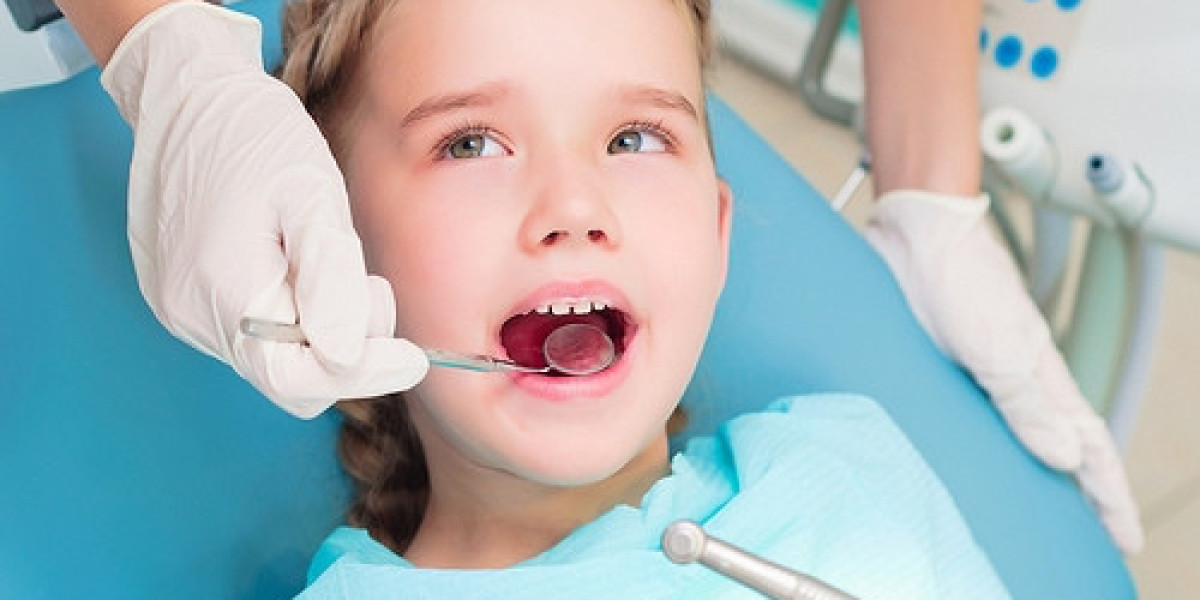

Bruxism in infants, or teeth grinding, is a condition that often surprises parents when they first notice it. The sound of tiny teeth rubbing together can be unsettling, especially during quiet moments like sleep. However, in most cases, this behavior is a normal part of early development and not a cause for serious concern. By understanding the signs, causes, and simple solutions, parents can feel more confident in managing this condition.
What Is Bruxism in Infants?
Bruxism in Infants refers to the grinding, clenching, or gnashing of teeth in babies and very young children. While this condition is more commonly discussed, infants can also experience it as part of early development. Bruxism in Infants often begins when the first teeth start to emerge, typically around six months of age. At this stage, babies are still learning how to control their jaw muscles and are exploring new sensations, so grinding their teeth is often a natural and temporary developmental behavior.
Unlike bruxism, which can be linked to stress or dental issues, bruxism in infants is usually temporary. Most children outgrow this habit naturally as they gain better control over their jaw movements.
Common Signs of Bruxism in Infants
Recognizing the signs of bruxism early can help parents understand what their baby is experiencing. While the condition is generally harmless, being aware of the symptoms allows for better care and monitoring.
Audible Grinding Sounds
One of the most noticeable signs is the sound of teeth grinding. This often occurs during sleep but can also happen when the baby is awake. The sound may vary from soft rubbing to more noticeable grinding noises.
Jaw Clenching and Movement
Parents may observe repetitive jaw movements or clenching. These motions can appear unusual at first but are often part of the baby’s natural exploration of muscle control.
Changes in Sleep Patterns
In some cases, bruxism may slightly disturb a baby’s sleep. Although not very common, some infants may wake up more frequently due to the activity.
Mild Gum or Tooth Sensitivity
Frequent grinding can sometimes cause mild discomfort in the gums or teeth. Babies may show signs of irritation or increased fussiness.
Causes of Bruxism in Infants
Bruxism in infants is usually easy to identify. The Broadway Family may notice certain signs that indicate their baby is grinding their teeth.
Teething Process
Teething is one of the leading causes of bruxism in infants. As new teeth push through the gums, babies may feel discomfort or itching. Grinding their teeth can help relieve this sensation by applying pressure to the gums.
Development of Jaw Muscles
Infants are still learning how to control their jaw muscles. Grinding may occur as they experiment with movement and coordination. This is a normal developmental phase that improves over time.
Curiosity and New Sensations
Babies are naturally curious and use their senses to explore. The feeling of teeth touching each other is new and interesting, which can lead to grinding as a form of exploration.
Response to Discomfort
Sometimes, infants grind their teeth as a reaction to discomfort, such as ear infections or minor illnesses. The action may serve as a distraction from pain.
Easy Solutions to Manage Bruxism
Although bruxism in infants often resolves on its own, there are simple steps parents can take to reduce its frequency and ensure their baby’s comfort.
Provide Teething Relief
If teething is the main cause, offering safe teething toys can help soothe the gums. Chilled teething rings can provide additional comfort and reduce the urge to grind teeth.
Create a Calm Environment
A peaceful and relaxing environment can help minimize restlessness. Gentle bedtime routines, such as soft music or a warm bath, can promote better sleep and reduce grinding.
Monitor Your Baby’s Health
Keep an eye out for signs of illness or discomfort that might be triggering the behavior. If your baby seems unusually fussy or shows symptoms of pain, consult a healthcare professional.
Encourage Healthy Sleep Habits
Consistent sleep schedules can improve overall rest and reduce nighttime disturbances, including grinding.
Maintain Oral Hygiene
Even though baby teeth are temporary, maintaining good oral hygiene is important. Gently cleaning your baby’s teeth and gums can support overall dental health.
When to Seek Professional Advice
While bruxism in infants is generally harmless, there are certain situations where professional guidance may be necessary.
Persistent Grinding
If the grinding continues beyond the early years or becomes more frequent, it is advisable to consult a pediatric dentist.
Visible Tooth Damage
Signs of wear, chipping, or sensitivity in the teeth should not be ignored and may require evaluation.
Signs of Pain
If your baby appears to be in pain while grinding or shows changes in eating or sleeping habits, seeking medical advice is important.
Preventive Tips for Parents
Although it may not always be possible to prevent bruxism completely, certain practices can help reduce its occurrence.
Keep Your Baby Relaxed
A calm and comfortable baby is less likely to engage in excessive grinding. Providing attention and comfort can make a difference.
Regular Checkups
Routine visits to a pediatrician or dentist can help monitor your baby’s development and catch any potential issues early.
Stay Observant
Pay attention to patterns in your baby’s behavior. Understanding when and why grinding occurs can help you manage it more effectively.
Conclusion
Bruxism in infants is a common and usually harmless condition that occurs during early stages of growth. While the sound of teeth grinding can be concerning, it is often a natural part of development as babies learn to control their muscles and explore new sensations.
By recognizing the signs and understanding the causes, parents can take simple steps to manage the condition and ensure their baby’s comfort. In most cases, bruxism resolves on its own without any long-term effects. However, staying attentive and seeking professional advice when needed can provide peace of mind and support your child’s healthy development.