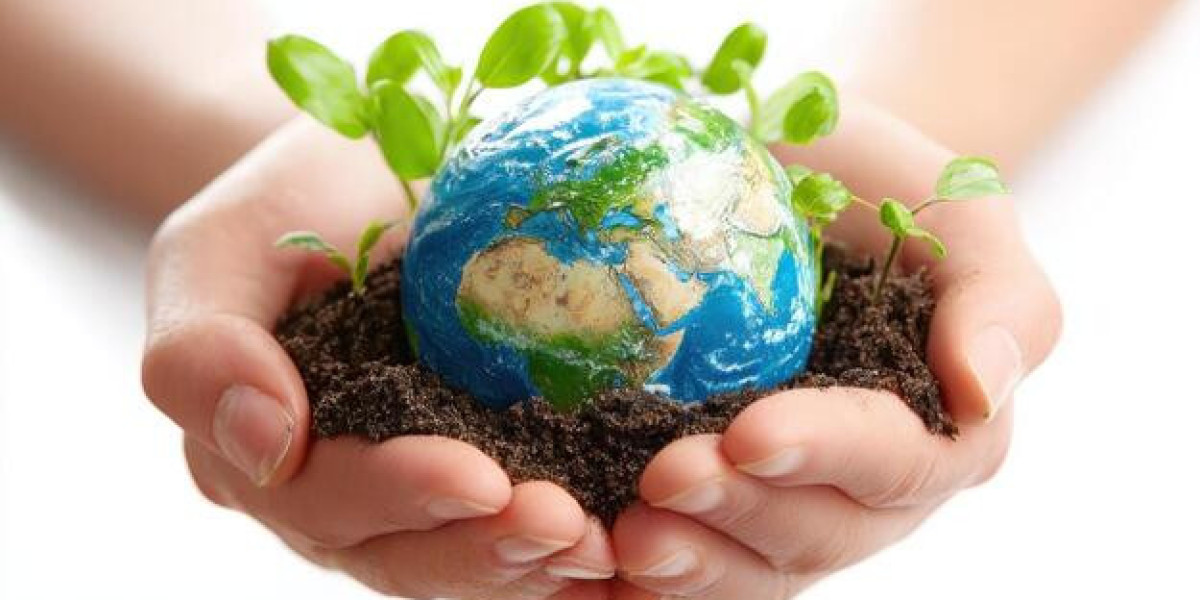

Environmental health is a crucial aspect of our daily lives that directly impacts our wellbeing. It focuses on the relationship between humans and their surroundings, highlighting how environmental factors can influence physical, mental, and social health. Clean air, safe water, proper sanitation, and a pollution-free environment are essential components of a healthy life. By understanding environmental health and implementing practical tips, we can create safer living spaces and promote long-term wellbeing for ourselves, our families, and our communities.
What Is Environmental Health?
Environmental Health is a branch of public health that focuses on preventing disease and promoting overall wellbeing by managing environmental factors. This field examines the physical, chemical, biological, and social aspects of the environment that can influence human health. Poor environmental health conditions, such as polluted air, contaminated water, or unsafe living spaces, can lead to respiratory problems, infections, chronic diseases, and other serious health issues.
Focusing on environmental health means taking steps to reduce exposure to harmful agents, promoting sustainable practices, and creating cleaner and safer living environments.
Key Areas of Environmental Health
Understanding environmental health requires attention to several critical areas:
Air Quality
Air quality is one of the most important elements of environmental health. Polluted air, whether from vehicle emissions, industrial activities, or household smoke, can cause respiratory issues, cardiovascular problems, and aggravate allergies. To protect yourself, avoid exposure to high pollution areas, use air purifiers at home, and support initiatives aimed at reducing air pollution.
Water Safety
Clean water is essential for good health. Contaminated water can lead to waterborne diseases, infections, and digestive problems. Ensure safe drinking water by using filters, boiling water when necessary, and promoting proper sanitation practices in your community. Regular monitoring of water sources can help prevent potential health hazards.
Waste Management
Improper waste disposal not only pollutes the environment but also increases the risk of diseases. Segregating waste, recycling, composting, and safely disposing of hazardous materials are practical ways to maintain a cleaner environment. Community clean-up drives and awareness programs can further encourage responsible waste management.
Chemical and Pesticide Safety
Exposure to harmful chemicals in cleaning agents, pesticides, or industrial products can negatively impact health. Choosing natural alternatives, reading labels carefully, and storing chemicals safely Excessive noise can lead to stress, sleep disturbances, and hearing problems. Reducing unnecessary noise, promoting quiet zones, and maintaining awareness of noise levels in urban areas are essential steps for supporting overall wellbeing. At Xendo Health, we emphasize the importance of minimizing environmental stressors like noise to protect both physical and mental health.
Noise Pollution
Excessive noise is a growing environmental concern that can cause stress, sleep disturbances, and hearing problems. Reducing noise by using soundproofing techniques, creating quiet zones at home, and being mindful of urban noise levels contributes to a safer and healthier environment.
Practical Environmental Health Tips
Protecting environmental health may seem overwhelming, but small, consistent actions can make a significant difference.
Reduce, Reuse, Recycle
The three Rs—reduce, reuse, and recycle—are foundational practices for maintaining a cleaner environment. Use reusable bags, avoid single-use plastics, and recycle materials whenever possible. These steps reduce waste, conserve natural resources, and help protect ecosystems.
Conserve Energy
Reducing energy consumption lowers greenhouse gas emissions and helps fight climate change. Simple measures like turning off unused appliances, using energy-efficient bulbs, and opting for public transportation or carpooling can make a substantial impact.
Promote Green Spaces
Trees and plants improve air quality, reduce heat, and support biodiversity. Planting trees in your garden or participating in local tree-planting initiatives promotes environmental health and contributes to cleaner surroundings.
Safe Water Practices
Ensuring access to clean water is critical. Boil or filter drinking water, avoid contaminating water sources, and practice proper disposal of wastewater. Educating others about safe water practices strengthens community health.
Sustainable Food Choices
The food we consume affects both our health and the environment. Eating seasonal, locally grown, and organic foods reduces the environmental impact of food production. Limiting meat consumption, avoiding processed foods, and reducing food waste are also essential steps toward sustainability.
Minimize Chemical Exposure
Opt for eco-friendly cleaning products and avoid unnecessary pesticides. Properly store chemicals, follow safety guidelines, and dispose of hazardous substances responsibly. Reducing chemical exposure benefits both human health and the ecosystem.
Stay Informed and Educate Others
Raising awareness about environmental health is vital. Sharing knowledge with family, friends, and the community encourages collective action and helps create a cleaner and safer environment for everyone.
Role of Communities and Governments
Individual actions are important, but community and governmental support is equally crucial. Governments can implement regulations to control pollution, improve waste management systems, and promote public health campaigns. Communities can organize clean-up drives, tree-planting events, and workshops on sustainable practices to reinforce environmental health initiatives.
Benefits of Environmental Health
Prioritizing environmental health brings numerous advantages:
Improved Public Health: Reducing exposure to pollutants lowers the risk of disease.
Enhanced Quality of Life: Clean air, water, and surroundings improve overall wellbeing.
Sustainability: Protecting the environment ensures resources for future generations.
Economic Gains: Healthy populations reduce healthcare costs and increase productivity.
Conclusion
Environmental health is a shared responsibility that directly affects our lives. By understanding its importance and implementing practical tips like reducing waste, conserving energy, using safe chemicals, and promoting clean water—we can create a safer and cleaner world. Both individuals and communities play an essential role in this effort.
Protecting environmental health is not only about preserving nature; it is about safeguarding human health and ensuring a better quality of life for ourselves and future generations. Small, consistent actions lead to meaningful change, making our surroundings healthier, safer, and more sustainable.