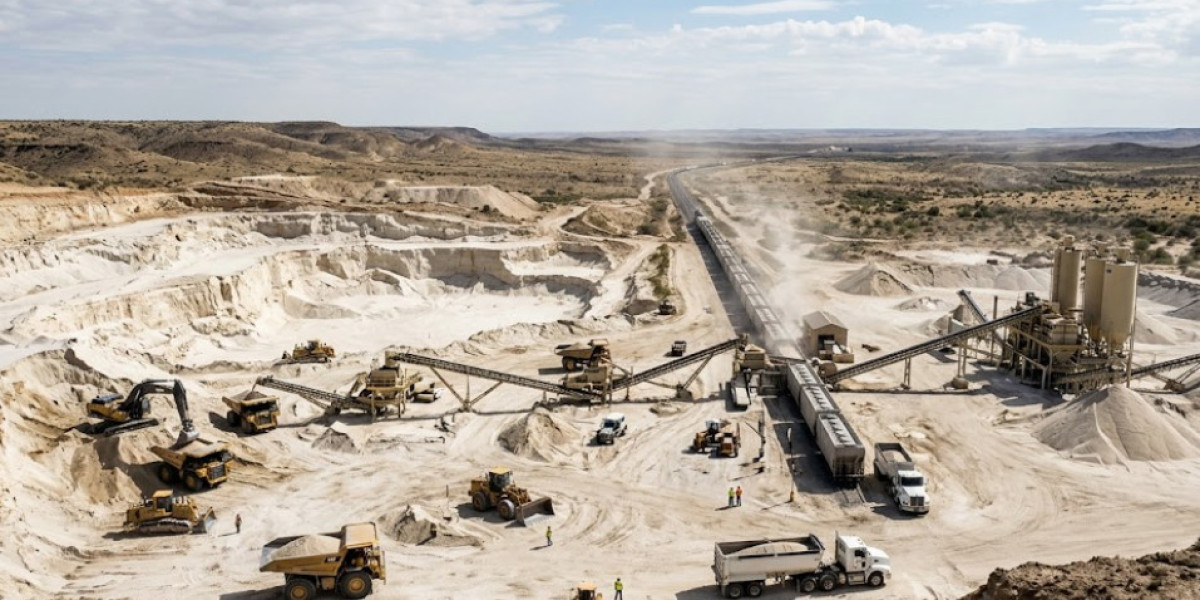

The Silica Sand Price Trend in early 2026 indicates a stable global market supported by steady industrial demand and balanced supply conditions. Silica sand, a key raw material used in glass manufacturing, construction, and foundry applications, continues to experience consistent consumption across major economies. Prices have remained relatively stable due to adequate mining output and controlled inventory levels, while energy and transportation costs have had a moderate influence on pricing structures. Demand from construction and infrastructure sectors, particularly in Asia Pacific, remains a primary growth driver, while global supply chains have normalized, reducing volatility in the market.
Market Snapshot
Market Snapshot
- Market Direction: Stable
- Primary Demand Sector: Glass Manufacturing & Construction
- Key Feedstock: Quartz Sand Deposits
- Major Supply Region: Asia Pacific (China, India)
- Short-Term Outlook: Stable
Latest Pricing Data (January 2026):
- China (FOB): USD 50/MT
- India (FOB): USD 34/MT
- USA (FOB): USD 39/MT
Key Drivers Affecting Silica Sand Prices
The silica sand supply demand analysis highlights several core factors influencing pricing trends:
- Construction and Infrastructure Growth:
Increased demand for glass and concrete materials continues to support silica sand consumption globally. - Glass Industry Expansion:
Rising production of flat glass and container glass for automotive and packaging sectors drives demand. - Mining and Processing Costs:
Extraction, washing, and transportation costs impact overall price structures. - Energy and Logistics Costs:
Fuel prices and freight rates influence the delivered cost of silica sand across regions. - Environmental Regulations:
Restrictions on mining activities in certain regions can limit supply availability.
Why Prices Increased or Decreased Recently
The Silica Sand Price Trend in January 2026 remained largely stable with minor regional variations.
- In China, prices held firm at USD 50/MT due to steady demand from construction and glass manufacturing sectors.
- In India, lower prices at USD 34/MT reflected abundant local supply and competitive mining costs.
- In the USA, prices stabilized at USD 39/MT, supported by consistent industrial demand and adequate inventories.
Overall, price stability was driven by:
- Balanced supply-demand conditions
- No significant mining disruptions
- Stable logistics and transportation networks
Real Global Events Affecting the Market
Several macro-level factors have influenced the global silica sand market trend:
- Infrastructure Development Initiatives:
Government-led construction projects in emerging economies boosted demand. - Environmental Mining Restrictions:
Regulations in parts of Asia and Europe limited excessive extraction, impacting supply. - Global Trade Normalization:
Improved shipping and logistics reduced supply chain bottlenecks. - Energy Cost Fluctuations:
Variations in fuel prices affected mining and transportation costs. - Industrial Recovery Post-Disruptions:
Continued recovery in manufacturing sectors supported consistent demand.
Regional Market Analysis
North America
The North American market experienced stable pricing trends:
- Strong demand from oil & gas (frac sand) and construction sectors
- Sufficient domestic supply
- Stable transportation infrastructure
Asia Pacific
Asia Pacific remained the largest market for silica sand:
- High demand from construction and glass industries
- China and India leading production and consumption
- Stable-to-firm pricing due to consistent industrial activity
Europe
Europe showed moderate price firmness:
- Environmental regulations limiting mining operations
- Dependence on imports in certain regions
- Steady demand from automotive and construction sectors
Middle East & Africa
The region maintained a growth-oriented market:
- Increasing infrastructure investments
- Rising demand for construction-grade materials
- Competitive export opportunities
Industry Expert Insight
Industry analysts indicate that steady construction activity and stable mining output are maintaining equilibrium in the silica sand market, while regional regulatory frameworks continue to influence supply dynamics and pricing structures.
Market Outlook
Short-Term Outlook
The silica sand price forecast suggests:
- Continued price stability
- Consistent demand from construction and glass sectors
- Minimal supply disruptions
Medium-Term Outlook
The silica sand market outlook indicates a moderately positive trajectory:
- Growth in infrastructure and urbanization projects
- Expansion in renewable energy (solar glass demand)
- Increasing regulatory oversight on mining activities
- Gradual rise in production and logistics costs
FAQs
What affects Silica Sand prices?
Silica sand prices are influenced by construction demand, mining costs, environmental regulations, and transportation expenses.
Why did Silica Sand prices remain stable recently?
Prices remained stable due to sufficient supply, consistent demand, and no major disruptions in mining or logistics.
What industries use Silica Sand?
Silica sand is used in glass manufacturing, construction, foundry operations, and oil & gas applications.
Which region produces the most Silica Sand?
Asia Pacific, particularly China and India, is the leading producer of silica sand globally.
What is the future outlook for Silica Sand prices?
The outlook is stable to moderately bullish, supported by infrastructure growth and increasing industrial demand.
Ubicación del Autor
delhi