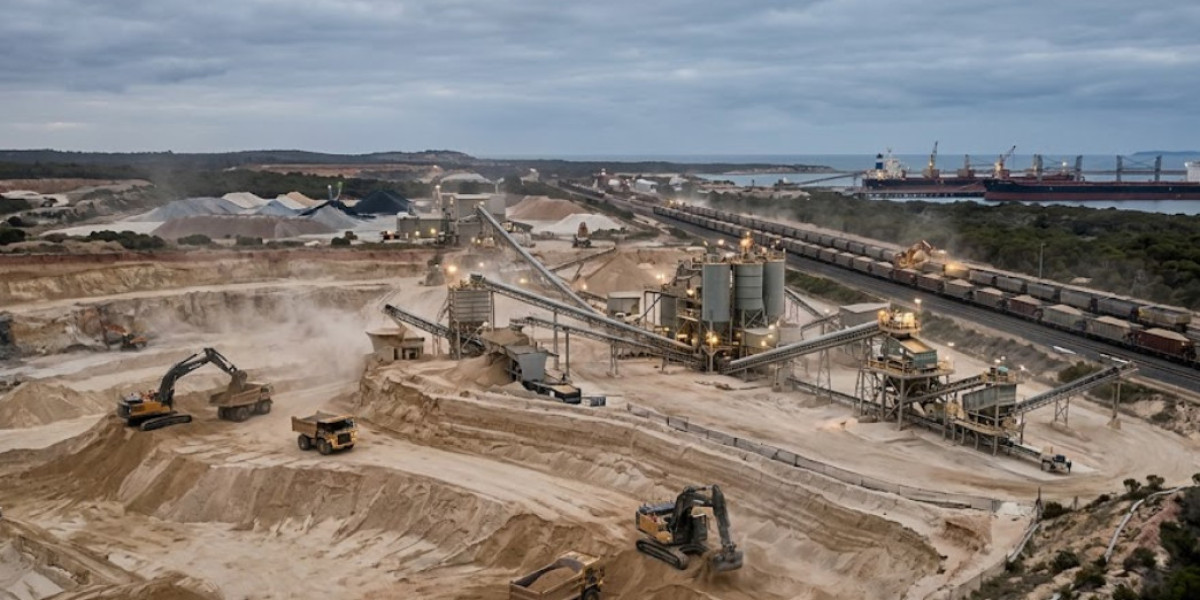

The Silica Sand Price Trend in early 2026 reflects a stable global market supported by consistent demand from construction, glass manufacturing, and industrial applications. Silica sand, a critical raw material for glass, foundry, and hydraulic fracturing industries, continues to experience steady consumption patterns across major economies. While Asia Pacific maintains strong demand due to infrastructure growth, North America shows balanced pricing driven by stable industrial activity. Supply conditions remain adequate, with key producing regions maintaining high output levels. Additionally, energy and transportation costs—indirect feedstock factors—have contributed to maintaining overall price stability without significant volatility.
Market Snapshot
Market Snapshot
- Market Direction: Stable
- Primary Demand Sector: Glass Manufacturing & Construction
- Key Feedstock: Energy (Mining & Processing Costs)
- Major Supply Region: Asia Pacific (China, India)
- Short-Term Outlook: Stable
Latest Pricing Data (January 2026):
- China (FOB): USD 50/MT
- India (FOB): USD 34/MT
- USA (FOB): USD 39/MT
Key Drivers Affecting Silica Sand Prices
The silica sand supply demand analysis highlights several influencing factors:
- Construction and Infrastructure Growth:
Rising infrastructure projects globally continue to drive demand for silica sand in cement and glass production. - Glass Industry Expansion:
Increasing demand from automotive and solar glass manufacturing supports steady consumption. - Energy and Transportation Costs:
Mining, processing, and logistics costs directly impact the silica sand price index. - Production Capacity and Reserves:
Abundant natural reserves ensure consistent supply, limiting sharp price fluctuations. - Industrial Demand Trends:
Foundry, oil & gas (fracking), and electronics sectors contribute to diversified demand.
Why Prices Increased or Decreased Recently
The Silica Sand Price Trend in January 2026 remained largely stable across major regions, with minor fluctuations influenced by localized factors:
- In China, prices remained firm at USD 50/MT due to sustained demand from glass and construction sectors.
- In India, relatively lower prices (USD 34/MT) were supported by abundant local supply and competitive production costs.
- In the USA, prices (USD 39/MT) reflected balanced supply-demand conditions in industrial and energy sectors.
Recent price stability can be attributed to:
- Adequate inventory levels across key markets
- No major mining disruptions or plant shutdowns
- Stable logistics and transportation networks
- Consistent export-import activity
Real Global Events Affecting the Market
Several global factors have influenced the global silica sand market trend:
- Infrastructure Investments:
Government-led construction projects in Asia boosted demand for silica sand. - Renewable Energy Expansion:
Growth in solar panel manufacturing increased demand for high-purity silica. - Environmental Regulations:
Mining restrictions in certain regions impacted supply growth. - Oil & Gas Activity:
Stable fracking activity in North America supported demand for industrial-grade sand. - Global Trade Stability:
Improved shipping conditions reduced cost pressures and supply chain disruptions.
Regional Market Analysis
North America
The North American market exhibited stable pricing trends:
- Strong demand from oil & gas (hydraulic fracturing)
- Efficient supply chains and domestic production
- Balanced inventory levels
Asia Pacific
Asia Pacific remained the largest and most dynamic market:
- High demand from construction and glass industries
- Competitive pricing due to abundant reserves
- Stable supply supported by large-scale mining operations
Europe
Europe showed moderate price firmness:
- Environmental regulations limiting mining activities
- Dependence on imports in some regions
- Steady demand from automotive and construction sectors
Middle East & Africa
This region maintained a stable to slightly bullish trend:
- Growing construction activities
- Increasing industrialization
- Export potential from resource-rich countries
Industry Expert Insight
Industry analysts indicate that the silica sand market is characterized by abundant supply and steady industrial demand, with pricing largely influenced by regional logistics costs and end-use industry growth rather than raw material scarcity.
Market Outlook
Short-Term Outlook
The silica sand price forecast suggests:
- Stable prices supported by consistent industrial demand
- Limited volatility due to sufficient global supply
- Continued demand from construction and glass sectors
Medium-Term Outlook
The silica sand market outlook indicates gradual growth:
- Expansion in solar glass and electronics industries
- Rising infrastructure investments in emerging economies
- Potential cost pressures from environmental compliance
- Incremental demand from energy and manufacturing sectors
FAQs
What affects Silica Sand prices?
Silica sand prices are influenced by industrial demand, energy costs, supply availability, and transportation expenses.
Why did Silica Sand prices remain stable recently?
Prices stayed stable due to sufficient supply, steady demand, and no major disruptions in mining or logistics.
What industries use Silica Sand?
Silica sand is used in glass production, construction, foundry operations, oil & gas, and electronics manufacturing.
Which region produces the most Silica Sand?
Asia Pacific, particularly China and India, are leading producers of silica sand globally.
What is the future outlook for Silica Sand prices?
The outlook is stable to moderately positive, driven by infrastructure growth and increasing demand from renewable energy sectors.
Ubicación del Autor
delhi