
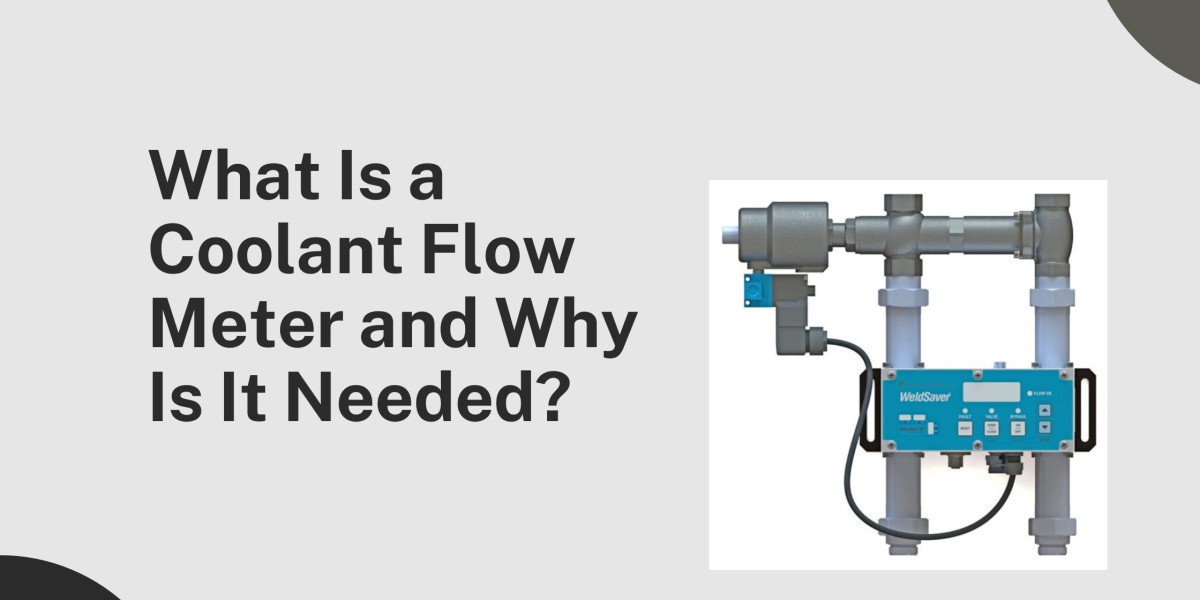

Accurate fluid flow measurement is crucial in various industrial and automotive applications, especially where thermal regulation is vital. Coolant systems play a key role in maintaining optimal temperatures for machines, batteries, and industrial machinery. Whether in a high-performance machine or a factory floor, coolant flow must be monitored precisely to avoid overheating and mechanical failures. This is where the coolant flow meter comes into play. By ensuring precise measurement, these instruments help maintain system reliability and efficiency.
What Is a Coolant Flow Meter?
A coolant flow meter is a device designed to measure the flow rate of coolant fluids in a system. These fluids may include water, glycol, or a mixture of both—commonly used in cooling applications. The device typically consists of a flow sensor, a signal processor, and a display or output interface. The flow meter works by detecting how fast fluid passes through its sensor and converting that data into a readable value. Depending on the technology used, it may rely on mechanical movement, electrical conductivity, or sound waves. Its primary goal is to ensure precise coolant flow monitoring in real-time.
Applications of Coolant Flow Meters
Coolant flow meters are widely used across industries. In the automotive sector, they monitor coolant flow for machine and EV battery temperature control. Industrial machinery protects motors and drive systems from overheating. These meters are also critical in HVAC systems to regulate temperature in commercial buildings. Power plants rely on coolant flow meters to manage heat in turbines, while data centers use them to prevent servers from overheating. In all cases, consistent coolant monitoring ensures smooth operation, extends equipment life, and enhances energy efficiency, especially in environments where precise thermal regulation is a must.
Why Coolant Flow Meters Are Essential?
Coolant flow meters play a vital role in preventing system overheating and failure. By accurately measuring flow rates, they help maintain optimal operating conditions, enhancing system efficiency and performance. These meters also support regulatory compliance by providing traceable, real-time data needed for safety standards. Their role in energy optimization can lead to reduced operational costs by identifying inefficiencies and avoiding overcooling. In mission-critical systems—like automotive machines, power plants, and data centers—a failure in coolant flow can result in significant downtime or damage. Therefore, integrating a reliable coolant flow meter is an investment in system reliability and safety.
Key Factors to Consider When Choosing a Coolant Flow Meter
When selecting a coolant flow meter, it's essential to consider the type and viscosity of the fluid being measured. Different meters are suited for different coolant compositions like water-glycol mixtures. Also, determining the flow rate range—too low or too high—can affect accuracy. Check for compatibility with the system's operating temperature and pressure. Installation space and the ability to retrofit or integrate into existing systems are also important. Finally, evaluate the accuracy, calibration needs, and ongoing maintenance requirements to ensure long-term reliability. Balancing performance with practicality is key to choosing the right meter for your application.
Common Issues and Maintenance Tips
Coolant flow meters require periodic calibration to ensure accurate readings. Over time, clogs or build-up from contaminants or scaling can obstruct flow sensors, reducing accuracy or causing failure. Regular inspection and cleaning are essential to prevent such issues. If a flow meter shows inconsistent or zero readings, it may indicate sensor malfunction, power issues, or signal interference—prompt troubleshooting is needed. Establishing a preventive maintenance schedule minimizes downtime and extends the device's lifespan. Proper installation and environmental protection also contribute to smoother operation. Always refer to manufacturer guidelines for servicing, especially for advanced meters like ultrasonic or electromagnetic types.
Future Trends in Coolant Flow Monitoring
The future of coolant flow monitoring lies in smart technology integration. Meters with IoT connectivity now offer real-time data transmission for remote analysis. Wireless monitoring systems reduce installation complexity and provide flexible deployment options. With the rise of predictive maintenance, AI-enabled meters can analyze flow data trends to forecast potential issues before they arise. This shift not only improves reliability but also helps reduce costs and prevent downtime. These intelligent systems are becoming essential in industries where precision and system optimization are key. As technology advances, coolant flow meters are evolving from simple measurement tools to intelligent diagnostic devices.
Conclusion
Coolant flow meters are indispensable in maintaining the thermal balance of critical systems across automotive, industrial, and HVAC applications. Their ability to accurately measure flow rates ensures reliable cooling, optimal efficiency, and safety compliance. Choosing the right meter requires attention to fluid type, environmental conditions, and performance needs. As technology advances, smarter and more connected flow meters are driving improved diagnostics and maintenance practices. Ultimately, investing in the right coolant flow measurement solution enhances system longevity and reduces downtime. For businesses prioritizing operational excellence, coolant flow meters are not just helpful—they're essential for sustainable and efficient system performance.