
The look and feel of any indoor space can change dramatically with the right color and finish. Walls are one of the most visible elements in a room, and updating them can instantly refresh the atmosphere without requiring major renovations. Whether it’s a home, office, or commercial setting, choosing the right materials plays a key role in achieving the desired outcome.
A well-planned approach to painting not only enhances aesthetics but also improves durability and maintenance. This is where selecting the right Interior Paint becomes essential for creating spaces that are both visually appealing and long-lasting.
Understanding Different Types of Interior Paint
Not all paints are created equal, and each type serves a specific purpose. Water-based paints are popular for their quick drying time and low odor, making them ideal for most indoor projects. Oil-based options, while less commonly used today, offer a smoother finish and are suitable for areas requiring extra durability.
Finishes also vary widely, ranging from matte and eggshell to satin and gloss. Matte finishes provide a soft, non-reflective look, while glossier options are easier to clean and more resistant to moisture. Choosing the right combination depends on the room and its usage.
Choosing Colors That Enhance Your Space
Color selection is one of the most impactful decisions in any painting project. Light shades can make a room feel larger and more open, while darker tones create a cozy and intimate atmosphere. Neutral colors offer versatility, allowing for easy updates to furniture and décor.
It’s also important to consider lighting. Natural and artificial light can affect how colors appear throughout the day. Testing samples before finalizing a choice helps ensure the desired effect is achieved.
Preparing Surfaces for a Flawless Finish
Preparation is a crucial step that often determines the quality of the final result. Walls should be cleaned to remove dust, grease, and imperfections. Filling surface gaps and sanding uneven areas creates a smooth base for application.
Using a primer can further enhance adhesion and improve color consistency. Proper preparation not only improves the appearance but also extends the life of the paint.
Application Techniques for Professional Results
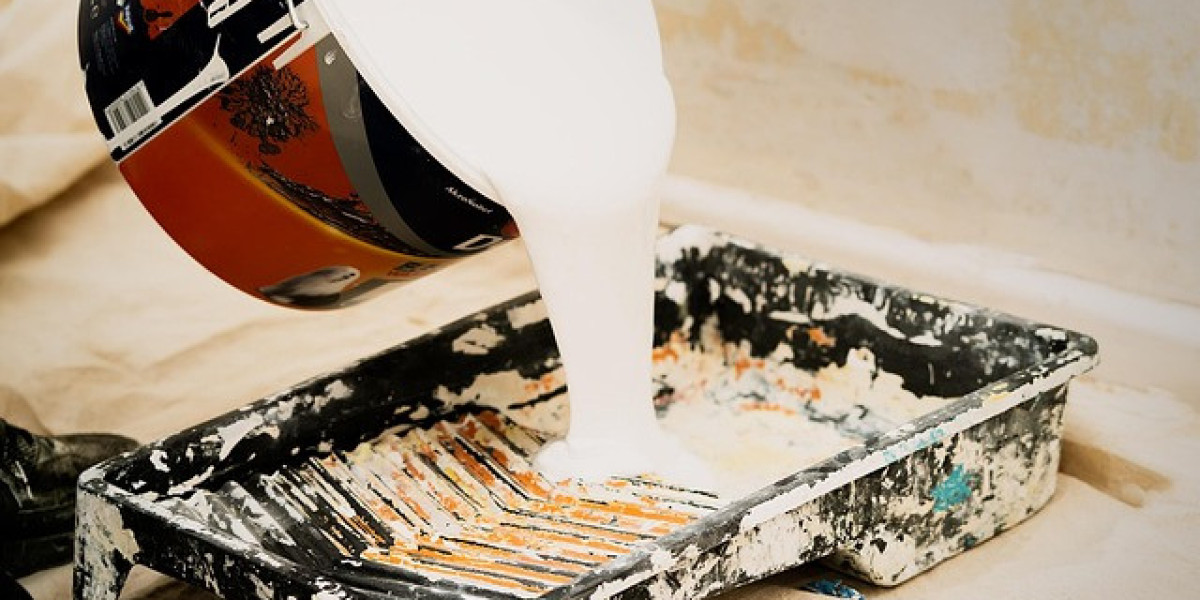
Applying paint correctly is just as important as choosing the right product. Using high-quality brushes and rollers ensures even coverage and reduces streaks. Working in sections and maintaining a consistent technique helps achieve a uniform finish.
Multiple thin coats are generally more effective than a single thick layer. Allowing adequate drying time between coats prevents issues such as peeling or bubbling.
Durability and Maintenance Considerations
Different areas of a home or building have varying levels of wear and tear. High-traffic zones like hallways and kitchens require more durable finishes that can withstand frequent cleaning. Moisture-prone areas such as bathrooms benefit from paints designed to resist mold and mildew.
Selecting the appropriate type of paint for each space ensures that surfaces remain in good condition for longer periods. It also reduces the need for frequent touch-ups.
The Role of Modern Innovations in Paint
Advancements in paint technology have introduced features that go beyond basic coverage. Low-VOC and zero-VOC options improve indoor air quality, making them safer for occupants. Some paints are designed to resist stains, while others offer antimicrobial properties.
Smart coatings that enhance durability and simplify maintenance are becoming increasingly popular. These innovations add value and convenience to modern interiors.
Balancing Cost and Quality
While it may be tempting to choose cheaper options, investing in high-quality paint often leads to better results. Premium products provide superior coverage, requiring fewer coats and reducing overall labor.
Quality paints also maintain their appearance for longer, minimizing the need for repainting. This makes them a cost-effective choice in the long run.
Common Mistakes to Avoid
Skipping preparation is one of the most common mistakes in painting projects. Applying paint directly onto unprepared surfaces can lead to uneven coverage and poor adhesion. Using the wrong finish for a specific area can also impact durability.
Another common issue is rushing the process. Allowing sufficient drying time and following proper techniques ensures a more professional outcome.
Long-Term Impact of a Well-Executed Paint Job
A carefully executed painting project can significantly enhance the overall appeal of a space. It creates a clean and inviting environment while reflecting personal style and preferences.
Beyond aesthetics, a good paint job also protects surfaces from wear and damage. This combination of beauty and functionality makes it a valuable investment.
Conclusion
Painting is one of the most effective ways to transform indoor spaces. By focusing on preparation, product selection, and proper application, it is possible to achieve results that are both attractive and durable. Choosing the right Interior Paint ensures that every room reflects quality, comfort, and style.
With thoughtful planning and attention to detail, any interior can be turned into a space that feels fresh, modern, and perfectly suited to its purpose.