
Upgrading your home’s water heating system is no longer just about comfort, it’s about efficiency and long-term savings. Many homeowners are now turning to tankless hot water heater installation as a smarter alternative to traditional systems. The idea of having endless hot water while lowering energy bills is appealing, especially for growing families.
But here’s where things get real. Installing a tankless system is not as simple as replacing an old tank unit. I’ve seen homeowners assume it’s a quick swap, only to run into electrical upgrades, venting issues, and unexpected costs. That’s why understanding tankless hot water heater installation before starting is so important.
This guide walks you through the full process using a clear, real-world approach so you can make informed decisions and avoid expensive mistakes.
The Problem: Why Traditional Systems Create Frustration
Most homes in the United States still rely on tank-based water heaters, and while they work, they are far from efficient. These systems heat water continuously and store it, which leads to standby energy loss. The U.S. Department of Energy estimates that switching to a tankless system can improve efficiency by up to 34% for homes using less than 41 gallons of hot water daily.
The biggest issue, though, is running out of hot water at the worst time. Families often deal with cold showers when multiple appliances are running. That’s usually when people begin researching tankless hot water heater installation as a long-term solution.
There’s also the issue of lifespan. Traditional tanks typically last 8 to 12 years, while tankless systems can go beyond 20 years with proper maintenance. That difference alone makes many homeowners rethink their current setup.
Agitating the Situation: What Can Go Wrong Without Proper Planning
Here’s where many homeowners get caught off guard. They buy a tankless unit thinking it will solve everything, but installation is more complex than expected. Unlike tank systems, these units require precise sizing, proper gas lines or electrical capacity, and correct venting.
I’ve personally seen a case where a homeowner installed an undersized unit. It worked fine until winter, when incoming water temperatures dropped, and the system couldn’t keep up. The result was inconsistent hot water and frustration that could have been avoided with proper planning.
Another common issue is skipping professional help. While DIY can work for some home projects, tankless hot water heater installation often involves local building codes and permits. In areas like Fort Mill, many homeowners end up calling an emergency plumber in fort mill after a failed attempt, which increases overall costs.
Step-by-Step Process of Tankless Hot Water Heater Installation
The first step in tankless hot water heater installation is choosing the right unit based on your household’s water demand. This involves calculating flow rate and temperature rise. A family of four typically needs a system that can handle multiple fixtures running at once.
Next comes removing the old water heater. This sounds simple, but it requires shutting off water, gas, or electricity safely. Improper removal can cause leaks or damage existing plumbing connections. The third step is upgrading infrastructure if needed. Many homes require larger gas lines or upgraded electrical panels. This is one of the most overlooked parts of tankless hot water heater installation and often adds to the total cost.
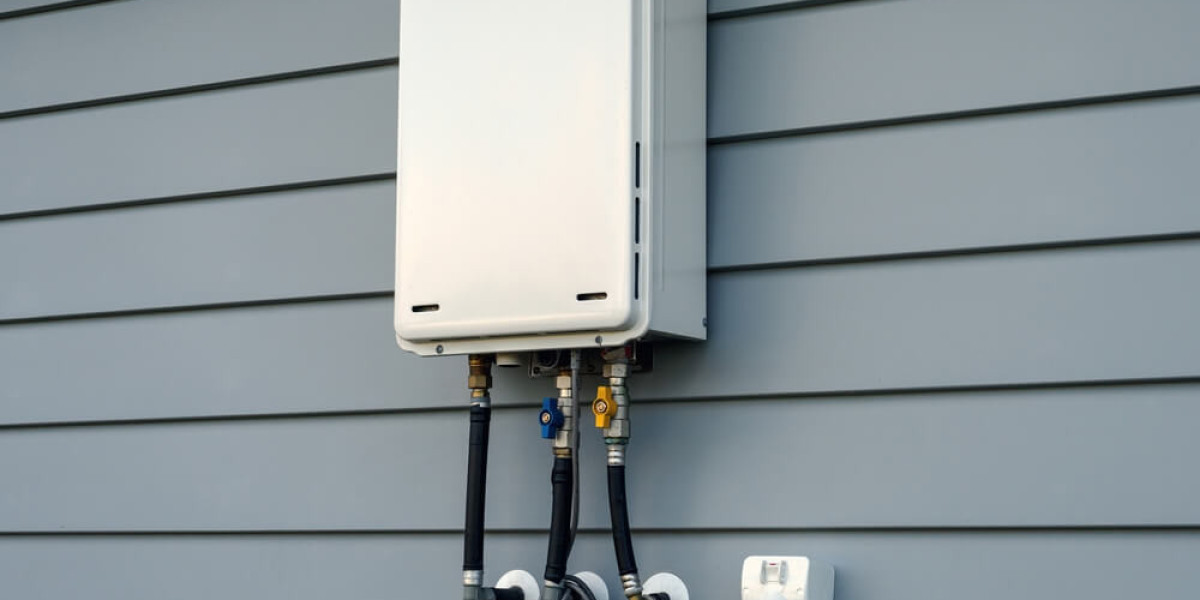
After that, the new unit is mounted, usually on a wall to save space. Proper venting is installed to safely release exhaust gases. This step is critical for gas-powered systems and must meet local code requirements. Finally, the system is connected to water lines, tested, and calibrated. A professional will check temperature settings, pressure levels, and ensure everything runs efficiently. Skipping proper testing can lead to long-term issues.
Real Costs and What Homeowners Should Expect
Cost is one of the biggest concerns when considering tankless hot water heater installation. In the U.S., the total cost typically ranges from $2,500 to $6,500, depending on the unit and installation complexity. Labor alone can account for a large portion due to the upgrades required.
For example, a homeowner in South Carolina reported paying around $4,200 for a full installation, including gas line upgrades. While the upfront cost was higher than a traditional tank, their monthly energy bills dropped noticeably within the first year.
It’s also worth noting that federal tax credits and local rebates may be available for energy-efficient upgrades. These incentives can offset some of the initial investment, making tankless hot water heater installation more accessible.
When to Call a Professional Instead of DIY
There’s a point where doing it yourself can cost more than hiring an expert. If your installation requires electrical upgrades, gas line changes, or permits, it’s best to bring in a licensed professional. Safety should always come first.
In urgent situations, many homeowners rely on an emergency plumber in fort mill to handle unexpected issues during installation. This is especially common when leaks or pressure problems occur after a DIY attempt.
Even if you’re confident in your skills, having a professional inspect your work can prevent future problems. I’ve found that spending a little extra upfront often saves thousands in repairs later.
Common Mistakes to Avoid During Installation
One of the most common mistakes is choosing the wrong size unit. An undersized system won’t meet demand, while an oversized one wastes energy. Proper calculation is key to successful tankless hot water heater installation.
Another mistake is ignoring maintenance requirements. Tankless systems need periodic flushing to prevent mineral buildup, especially in areas with hard water. Skipping this can reduce efficiency and shorten lifespan.
Poor venting is another issue that can lead to serious safety risks. I’ve seen cases where improper installation caused carbon monoxide concerns. That’s why following manufacturer guidelines and local codes is essential.
Lastly, waiting until something goes wrong before calling help can make things worse. Many homeowners end up contacting an emergency plumber in fort mill after minor issues turn into major repairs.
Conclusion
Making the switch to tankless hot water heater installation is a smart move, but only when done correctly. It solves the common problems of traditional systems, offers long-term savings, and improves overall comfort in your home.
The key is preparation. Understanding the process, knowing when to call a professional, and avoiding common mistakes can make a huge difference. Real-world examples show that rushed decisions often lead to higher costs and unnecessary stress.
If you take the time to plan and execute properly, tankless hot water heater installation can be one of the best upgrades you make to your home. It’s not just about hot water, it’s about reliability, efficiency, and peace of mind.
Ubicación del Autor
Blenheim, Nueva Zelanda