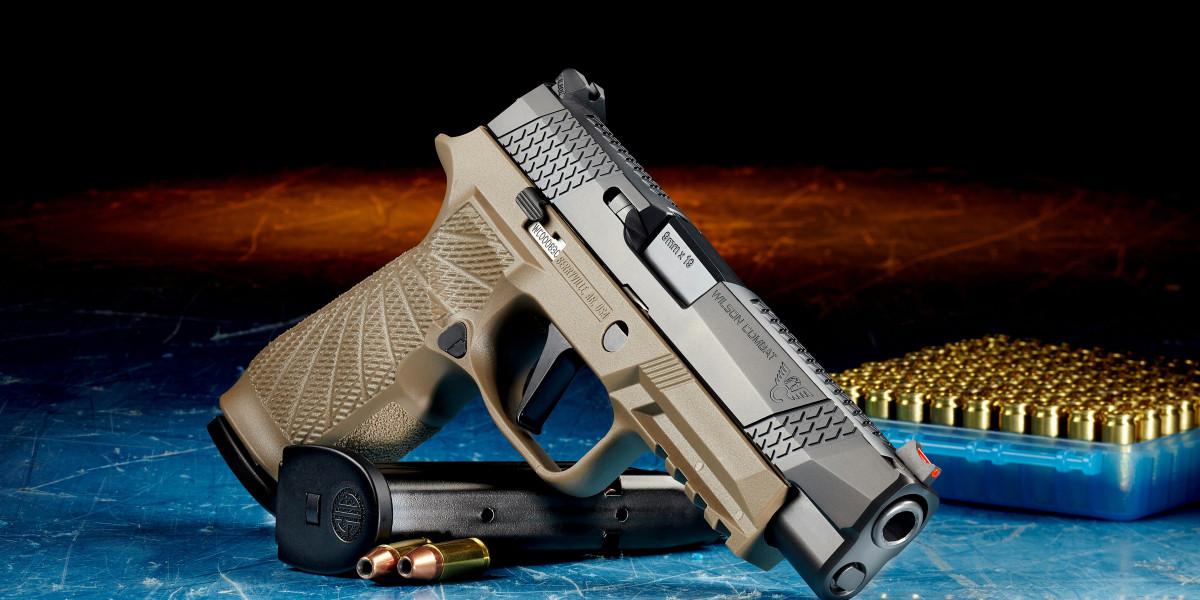

The colt .38 super cartridge holds a special place in the history of American semi-automatic pistols, particularly within the legendary 1911 platform. Developed as an improvement over earlier .38 ACP loads, the .38 Super quickly gained attention for its higher velocity, better penetration, and strong performance in competition and defensive contexts. When paired with Colt’s refined 1911 design, it created a combination that appealed to law enforcement experimenters, competitive shooters, and firearms collectors alike. Over the decades, Colt produced a variety of .38 Super-chambered 1911 models, each reflecting different eras of design evolution, manufacturing priorities, and shooter demands. Today, these pistols are not only functional firearms but also highly sought-after collector pieces that tell the story of American handgun development across nearly a century.
Understanding the most iconic Colt .38 Super 1911 models requires looking at both historical context and mechanical evolution. From early Government Models to modern custom shop releases, Colt has repeatedly returned to the .38 Super chambering during key periods in its production history. Some models were designed for service use, others for competition, and some purely for enthusiasts who appreciated the cartridge’s unique balance of speed and power. Collectors today value these pistols for their craftsmanship, historical relevance, and the distinct niche the .38 Super occupies between traditional .45 ACP stopping power and the higher-capacity 9mm world.
The Early Colt Government Model .38 Super (1929–1930s)
The story begins in 1929 when Colt introduced the .38 Super chambering in the Government Model 1911. This was a direct response to law enforcement interest in a cartridge that could outperform early .38 ACP loads, which were becoming obsolete. The early Government Model .38 Super pistols were essentially standard 1911 frames fitted with barrels and slides optimized for the higher-pressure cartridge.
These early examples are among the most collectible today. They featured high-polish blued finishes, finely checkered walnut grips, and tight tolerances that reflected Colt’s craftsmanship standards of the era. Many were produced before World War II, making surviving specimens particularly valuable. These pistols were not mass-adopted by the military but instead found popularity in law enforcement circles and among civilian enthusiasts seeking a high-performance semi-automatic handgun.
Collectors often look for original rollmarks, correct barrel markings, and period-correct finishes when evaluating these early Government Models. Even small variations in engraving or slide serrations can significantly impact value.
Pre-War and Transitional Variants
As production continued into the 1930s, Colt refined the Government Model .38 Super in subtle ways. Changes in machining processes and supply chain variations during the pre-war period resulted in transitional models that are now of great interest to collectors.
Some of these pistols featured improved sights and minor internal refinements to accommodate the higher-pressure cartridge more reliably. While externally they remained very similar to earlier versions, experienced collectors can identify differences in rollmark placement, frame cuts, and finishing techniques.
During this era, the .38 Super gained a reputation for being “hot” compared to other service cartridges. Its flat trajectory made it appealing for competitive shooting, even before formalized IPSC-style competitions existed. These pre-war variants serve as a bridge between the early experimental phase of the cartridge and its later adoption in competition circles.
Post-War Revival and the Colt Commander .38 Super
After World War II, Colt resumed civilian production of the 1911 platform, and interest in the .38 Super slowly began to rise again. One of the most significant developments came in the early 1950s with the introduction of the Colt Commander series.
The Commander was designed with a shorter barrel and lightweight frame, intended to be more practical for carry. While it was initially chambered in .45 ACP, Colt eventually offered versions in .38 Super due to growing interest in the cartridge among shooters who wanted a flatter-shooting alternative.
The Colt Commander .38 Super became an attractive option for those who valued reduced recoil impulse while still maintaining strong ballistic performance. Its aluminum alloy frame made it one of the earliest successful “lightweight” 1911 variants, and collectors today appreciate it for both its engineering significance and its role in expanding the .38 Super’s appeal.
Original Commander models in .38 Super are now considered relatively scarce compared to .45 ACP versions, which adds to their desirability in the collector market.
The Colt Gold Cup National Match .38 Super
Another standout in the lineage of Colt .38 Super pistols is the Gold Cup National Match series. Designed specifically for competitive shooting, the Gold Cup line represented Colt’s commitment to precision and target accuracy.
Chambered in .38 Super, the Gold Cup offered shooters a flatter-shooting platform with reduced muzzle rise, making it ideal for timed competitions and accuracy-focused disciplines. These pistols typically featured adjustable sights, enhanced triggers, and tighter barrel-to-slide tolerances compared to standard Government Models.
The Gold Cup .38 Super models are particularly appreciated for their smooth triggers and refined barrel fitting. Many competitive shooters of the mid-to-late 20th century preferred the cartridge for its ability to cycle reliably while maintaining a softer recoil impulse compared to higher-recoiling calibers.
Collectors today often seek out early Gold Cup .38 Super variants with original match barrels and factory sights intact. These pistols represent a convergence of Colt’s manufacturing expertise and the growing demand for precision shooting platforms.
Series 70 Colt .38 Super Models
The introduction of the Series 70 line in the 1970s marked another important chapter in Colt’s production history. Known for its collet bushing system and improved manufacturing consistency, the Series 70 1911s are widely regarded as some of the most desirable modern-production Colts.
The Series 70 Colt .38 Super models carried forward the legacy of the cartridge while benefiting from updated production techniques. These pistols are often praised for their smooth slide operation, improved accuracy potential, and classic aesthetic appeal.
During this era, the colt .38 super gained renewed popularity among competitive shooters, especially as action shooting sports began to evolve. The combination of higher velocity and relatively manageable recoil made it a strong contender in early practical shooting competitions.
Collectors often debate the merits of the collet bushing system versus later solid bushings, but many agree that original Series 70 .38 Super pistols offer an excellent balance of historical authenticity and shooting performance.
Series 80 and Enhanced Safety Era Models
In the 1980s, Colt transitioned to the Series 80 firing system, which introduced an internal firing pin safety mechanism. This change was made to improve drop safety standards and meet evolving industry expectations.
The Series 80 Colt .38 Super pistols maintained much of the classic 1911 feel but incorporated these internal safety improvements. While some purists prefer earlier Series 70 models for their simpler trigger mechanics, Series 80 pistols are widely respected for their reliability and safety enhancements.
Many of these models were produced with both blued and stainless steel finishes, expanding their appeal to a broader range of shooters. Stainless variants, in particular, became popular for their corrosion resistance and modern aesthetic.
Even in this era, Colt continued to refine its approach to the .38 Super, ensuring that the cartridge remained relevant despite increasing competition from 9mm platforms.
Colt Lightweight Commander and Carry-Oriented .38 Super Pistols
As concealed carry interest grew, Colt’s Lightweight Commander series chambered in .38 Super found a niche audience. These pistols combined the compact dimensions of the Commander platform with the performance advantages of the cartridge.
For many shooters, the appeal lay in the ability to carry a relatively lightweight 1911 that still delivered impressive ballistic performance. The aluminum frame reduced overall weight, while the .38 Super cartridge provided a flat trajectory and strong penetration characteristics.
These models were particularly popular among enthusiasts who wanted a balance between traditional 1911 ergonomics and modern carry considerations. While not as common as .45 ACP variants, the .38 Super Lightweight Commanders remain highly regarded among collectors today.
Custom Shop and Limited Edition Colt .38 Super Models
In more recent decades, Colt’s Custom Shop has produced limited runs of .38 Super 1911 pistols aimed at collectors and enthusiasts. These models often feature enhanced engraving, premium finishes, and hand-fit components.
Some limited editions pay tribute to historic Colt designs, while others experiment with modern aesthetics and upgraded performance parts. These pistols are typically produced in small numbers, making them highly desirable in secondary markets.
Collectors often view Custom Shop .38 Super models as modern heirlooms—firearms that combine historical lineage with contemporary craftsmanship. Their scarcity and attention to detail make them standout pieces in any serious Colt collection.
Modern Relevance and Collector Value
Today, the .38 Super remains a niche but respected cartridge. While it does not dominate the mainstream handgun market, it continues to thrive in competitive shooting circles and among dedicated 1911 enthusiasts. Modern ammunition improvements have further enhanced its performance, making older Colt .38 Super pistols even more enjoyable to shoot safely within appropriate specifications.
Collectors value these firearms not only for their mechanical quality but also for their representation of a unique evolutionary path in handgun development. Each model reflects a different era of Colt’s history, from early 20th-century craftsmanship to modern precision manufacturing.
Owning a Colt .38 Super 1911 is often seen as owning a piece of transitional firearm history—one that bridges the gap between early service pistols and modern competition handguns. Whether preserved in original condition or carefully maintained as a shooter, these pistols continue to hold strong appeal.
In the collector market, condition, originality, and provenance play major roles in determining value. Early Government Models and rare Custom Shop editions tend to command the highest prices, but even later production Series 70 and Series 80 pistols maintain steady interest.
For enthusiasts exploring the world of 1911s, the .38 Super chambering offers a distinctive and rewarding path into Colt’s legacy. And for those looking to buy, sell, or research these firearms further, platforms like GunsAmerica remain a valuable resource for tracking availability, pricing trends, and collector demand across the United States firearm market.