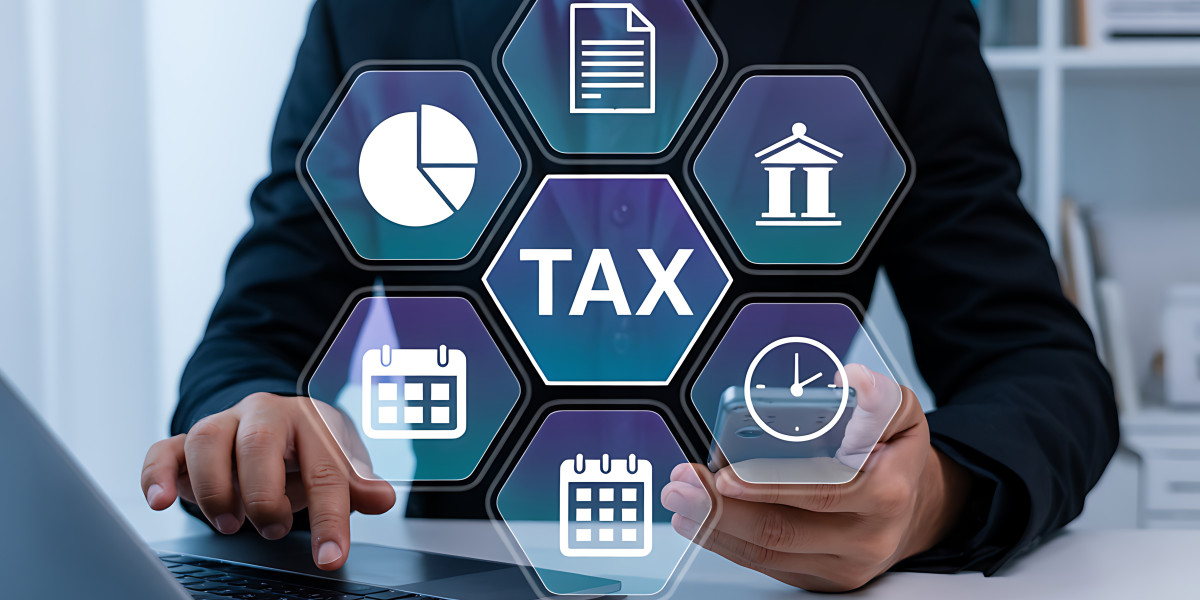

Managing taxes efficiently is essential for every business, regardless of its size. Many businesses face penalties and compliance issues simply because they overlook critical tax obligations. A well-structured tax compliance checklist helps ensure that all financial and legal requirements are met on time.
In 2026, tax regulations are becoming more detailed and stricter, making it important for businesses to stay organized and proactive. This guide will walk you through a complete checklist to help you remain compliant, reduce risks, and maintain financial accuracy.
What is a Tax Compliance Checklist?
A tax compliance checklist is a structured list of tasks that businesses follow to meet tax regulations and filing requirements. It ensures that all financial records are accurate, deadlines are met, and tax obligations are fulfilled properly.
This checklist acts as a roadmap that helps businesses avoid errors, reduce tax liability, and stay prepared for audits.
Why Tax Compliance is Important in 2026
Tax compliance is not just about avoiding penalties; it also supports business stability and growth. When your financial records are accurate and up to date, it becomes easier to make informed decisions.
A proper tax compliance checklist helps businesses avoid late filing penalties, maintain proper documentation, improve financial transparency, and reduce the chances of audits.
Complete Tax Compliance Checklist for Businesses
Maintain Accurate Financial Records
Accurate record-keeping is the foundation of tax compliance. Businesses should track all income, expenses, and financial transactions consistently.
Keeping updated records helps in preparing financial statements and ensures that all data is ready during tax filing.
Track All Tax Filing Deadlines
Missing deadlines can result in penalties and interest charges. Businesses must track all important dates, including income tax returns, payroll taxes, and sales tax filings.
Using digital tools or calendars can help ensure that deadlines are never missed.
Review Tax Deductions and Credits
Claiming the right deductions and credits can significantly reduce tax liability. However, incorrect claims can lead to audits.
Ensure that all deductions are valid, properly documented, and aligned with tax regulations.
Ensure Payroll Tax Compliance
Payroll taxes are highly sensitive and require careful management. Businesses must ensure that employee classifications are correct and taxes are withheld accurately.
Timely submission of payroll reports is essential to avoid penalties.
Monitor Changes in Tax Regulations
Tax laws change frequently, and staying updated is crucial. Businesses should regularly review updates and adjust their compliance strategies accordingly.
Working with professionals can help you stay informed and avoid compliance risks.
Conduct Internal Compliance Reviews
Regular internal reviews help identify errors before they become serious issues. Reviewing financial records and past filings ensures accuracy and consistency.
Many businesses strengthen this process by using tax compliance services for small businesses to ensure professional oversight.
Maintain Proper Documentation
Documentation is critical for supporting tax filings. Businesses should keep invoices, receipts, contracts, and financial records well-organized.
Digital storage solutions can make it easier to access documents when needed.
Work with Tax Professionals
Professional support can significantly improve compliance and accuracy. Experts help businesses navigate complex regulations and reduce risks.
For businesses seeking expert guidance, professional tax and accounting services can provide reliable solutions for maintaining compliance.
Common Tax Compliance Mistakes to Avoid
Many businesses face issues due to simple but costly mistakes. These include missing deadlines, poor record-keeping, incorrect deductions, and ignoring tax law updates.
Avoiding these mistakes requires a proactive approach and a clear understanding of compliance requirements.
Benefits of Using a Tax Compliance Checklist
A structured tax compliance checklist provides several benefits that improve overall financial management.
It helps reduce penalties by ensuring timely filing, improves accuracy in financial reporting, enhances audit readiness, and supports better decision-making.
Businesses that follow a checklist are more organized and better prepared for financial challenges.
Pro Tips for Better Tax Compliance
Start maintaining records from the beginning of the financial year instead of waiting until the end. Use accounting software to automate tracking and reporting.
Schedule regular reviews of your financial data to identify discrepancies early. Stay informed about regulatory changes and consult professionals when needed.
Conclusion
A well-maintained tax compliance checklist is essential for any business aiming to stay compliant and financially stable in 2026. By following a structured approach, businesses can avoid penalties, improve accuracy, and stay audit-ready.
Taking proactive steps today will not only ensure compliance but also support long-term business growth and success.