
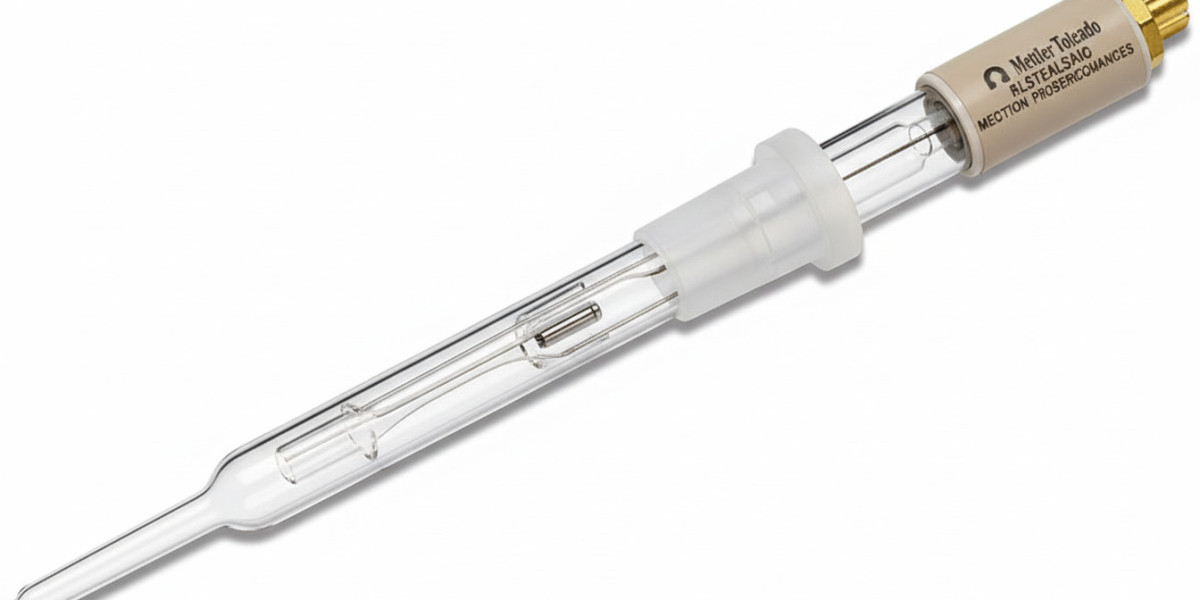

The R501 reference electrode is an essential component in electrochemical systems, widely used for accurate and stable measurement of electrical potentials. In scientific research, industrial applications, and laboratory analysis, maintaining a constant reference point is crucial for obtaining reliable data. The R501 reference electrode serves this purpose by providing a stable and known potential against which other electrode potentials can be measured. This makes it a vital tool in fields such as chemistry, environmental monitoring, corrosion studies, and biomedical research.
What is a Reference Electrode
A reference electrode is a type of electrode that has a stable and well-defined electrode potential. Unlike working electrodes, which respond to the analyte being studied, reference electrodes remain constant regardless of the solution composition. The R501 reference electrode is specifically designed to ensure high precision and long-term stability, making it suitable for demanding applications. It acts as a benchmark in electrochemical cells, allowing scientists to measure voltage differences accurately.
Design and Structure of R501 Reference Electrode
The R501 reference electrode typically consists of a housing made from durable materials such as glass or plastic, filled with an electrolyte solution. Inside, there is a metal wire coated with a stable chemical compound that maintains a constant potential. The electrode also includes a porous junction that allows ionic contact with the test solution while preventing contamination. This design ensures that the electrode maintains consistent performance even in complex environments.
Working Principle
The working principle of the R501 reference electrode is based on electrochemical equilibrium. The electrode maintains a constant potential due to the equilibrium between the metal and its ions in the electrolyte solution. When connected to an electrochemical cell, it does not participate in the reaction but provides a stable reference point. This allows the measurement of potential differences between the working electrode and the reference electrode, ensuring accurate results.
Applications in Electrochemistry
The R501 reference electrode is widely used in electrochemical experiments, including potentiometry, voltammetry, and electrolysis. In potentiometric measurements, it helps determine the concentration of ions in a solution. In voltammetry, it provides a stable reference for analyzing current-voltage relationships. Its reliability makes it a preferred choice for researchers and engineers working in electrochemical analysis.
Use in Environmental Monitoring
Environmental monitoring is another important application of the R501 reference electrode. It is used to measure parameters such as pH, dissolved oxygen, and pollutant levels in water and soil. Accurate measurements are essential for assessing environmental quality and ensuring compliance with regulations. The stability of the R501 electrode ensures that data collected over time remains consistent and trustworthy.
Role in Corrosion Studies
Corrosion is a major concern in industries such as construction, oil and gas, and marine engineering. The R501 reference electrode is used to monitor corrosion processes by measuring the potential of metal structures. This helps in predicting corrosion rates and implementing preventive measures. By providing reliable data, the electrode plays a crucial role in extending the lifespan of infrastructure and reducing maintenance costs.
Advantages of R501 Reference Electrode
One of the main advantages of the R501 reference electrode is its stability. It provides a constant potential over long periods, reducing the need for frequent calibration. It is also highly accurate, ensuring precise measurements in various applications. The electrode is designed to be durable and resistant to contamination, making it suitable for use in harsh environments. Additionally, it is easy to use and maintain, which makes it a practical choice for both laboratory and field applications.
Maintenance and Care
Proper maintenance is essential to ensure the longevity and performance of the R501 reference electrode. The electrode should be stored in an appropriate solution to prevent drying out. Regular cleaning is necessary to remove any deposits that may affect performance. It is also important to check the electrolyte level and replace it when needed. By following proper maintenance practices, users can ensure consistent and reliable results.
Limitations
Despite its advantages, the R501 reference electrode has some limitations. It may be sensitive to temperature changes, which can affect its potential. Contamination of the electrolyte or junction can also impact performance. Additionally, the electrode may require periodic calibration to maintain accuracy. Understanding these limitations is important for ensuring proper use and obtaining reliable data.
Comparison with Other Reference Electrodes
There are several types of reference electrodes available, such as silver/silver chloride and calomel electrodes. The R501 reference electrode stands out due to its stability and versatility. While other electrodes may offer similar performance, the R501 is often preferred for its durability and ease of use. Choosing the right reference electrode depends on the specific requirements of the application.
Industrial Applications
In industrial settings, the R501 reference electrode is used for process control and quality assurance. It helps monitor chemical reactions, detect impurities, and ensure product consistency. Industries such as pharmaceuticals, food processing, and chemical manufacturing rely on accurate measurements to maintain standards. The R501 electrode provides the reliability needed for these critical applications.
Future Developments
Advancements in technology are leading to the development of improved reference electrodes with enhanced performance. The R501 reference electrode continues to evolve with better materials and designs that increase stability and reduce maintenance requirements. Future innovations may include miniaturized electrodes for portable devices and improved resistance to harsh conditions. These developments will expand the range of applications and improve efficiency in electrochemical measurements.
Conclusion
The R501 reference electrode is a vital tool in electrochemistry, providing a stable and reliable reference point for accurate measurements. Its applications span across research, industry, and environmental monitoring, making it an indispensable component in modern science and technology. With proper maintenance and understanding of its working principles, the R501 reference electrode can deliver consistent and precise results. As technology continues to advance, its importance is expected to grow, further enhancing its role in various fields.
Ubicación del Autor
KRD R&D Industrial Park, No. 9, Jinfeng Road, Houjie Town, Dongguan City, Guangdong Provinc