
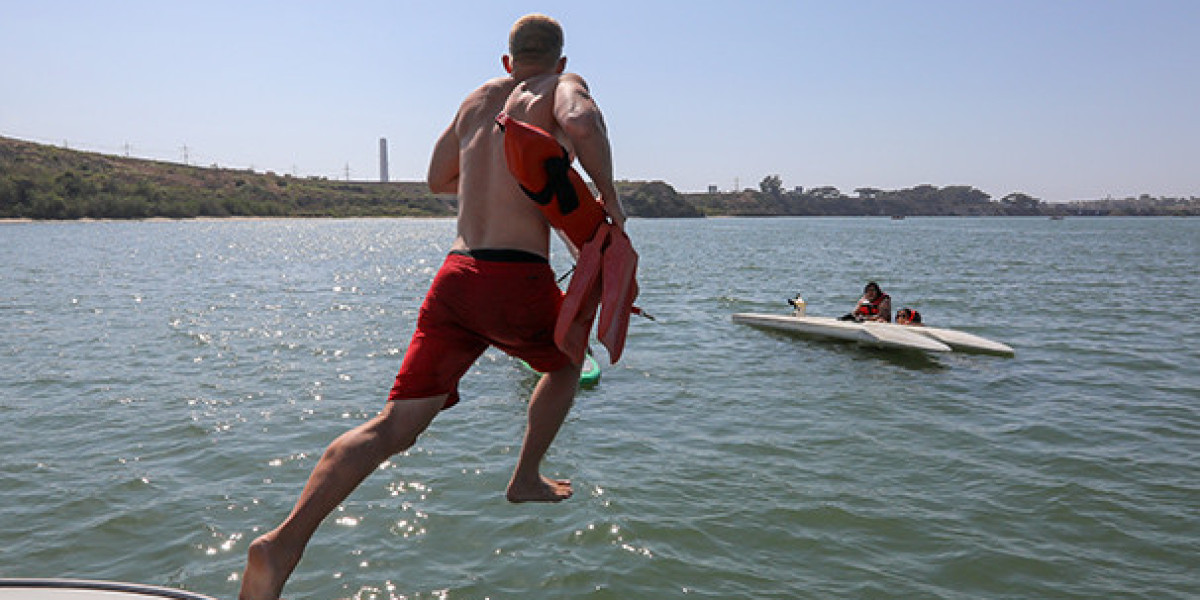

Lifeguard certification is one of the most important qualifications for anyone who wants to work in aquatic environments or develop real-life emergency response skills. Whether you plan to work at a pool, beach, water park, or private facility, certification ensures you are trained to protect lives and handle emergencies with confidence.
Many people think lifeguarding is only about swimming, but in reality, it involves much more. A certified lifeguard must be alert, physically prepared, and trained in rescue techniques, CPR, and first aid. This article will guide you through everything you need to know about lifeguard certification, including its importance, training structure, required skills, and how to get certified.
Summary
Lifeguard certification prepares individuals to respond effectively to water-related emergencies. It combines classroom instruction with practical training in rescue techniques, CPR, first aid, and teamwork. This guide explains the importance of certification, what to expect during training, key skills covered, and the step-by-step certification process. By completing a lifeguard certification program, individuals gain the confidence and knowledge needed to save lives and work in aquatic safety roles.
Why Lifeguard Certification Is Important
Lifeguard certification is essential because water environments can be unpredictable and dangerous. Accidents can happen suddenly, and without proper training, even a strong swimmer may not know how to respond effectively. Certification ensures that individuals are prepared to act quickly and safely in emergencies.
One of the biggest reasons certification is important is responsibility. Lifeguards are often the first responders in aquatic emergencies. They must identify problems, react immediately, and provide care until professional help arrives. Proper training helps lifeguards remain calm under pressure and make the right decisions.
Certification is also important for employment. Most employers require lifeguards to hold a valid certification before they can be hired. This ensures that staff members meet safety standards and can handle real-life situations.
In addition, lifeguard certification builds confidence. Knowing that you have the skills to save someone’s life creates a strong sense of responsibility and readiness. These skills are valuable not only in professional settings but also in everyday life.
What to Expect in Lifeguard Certification Training
Lifeguard certification training is designed to prepare individuals for real-world situations. It includes both theoretical knowledge and hands-on practice.
Swimming Skills and Physical Fitness
Before starting or during the course, participants must demonstrate their swimming ability. This may include:
- Timed swimming tests
- Treading water
- Retrieving objects from underwater
These activities ensure that participants have the physical strength and endurance needed for rescues.
CPR and First Aid Training
A major part of certification involves learning how to respond to medical emergencies. Participants are trained in:
- CPR (cardiopulmonary resuscitation)
- Use of AED (Automated External Defibrillator)
- Treating wounds, fractures, and other injuries
- Responding to unconscious victims
These skills are critical because lifeguards are often the first to provide care.
Rescue Techniques
Participants learn how to perform different types of rescues, including:
- Assisting active victims
- Rescuing unconscious swimmers
- Handling spinal injuries
- Safely removing victims from water
Training focuses on both speed and safety.
Emergency Scenarios
Courses include simulated emergencies that allow participants to practice real-life situations. These exercises help improve decision-making and reaction time.
Communication and Teamwork
Lifeguards often work in teams, so communication is essential. Training includes how to coordinate with other lifeguards and respond as a group during emergencies.
Key Skills and Certifications Covered
Lifeguard certification programs are designed to teach a wide range of skills that are essential for aquatic safety.
Water Surveillance
Participants learn how to monitor swimmers and identify risks before they become emergencies.
Rescue Skills
Training includes techniques for safely rescuing individuals in different situations.
CPR and AED Use
Participants learn how to handle cardiac emergencies and support breathing until help arrives.
First Aid
Basic medical care is taught for injuries and sudden illnesses.
Spinal Injury Management
Special techniques are used to protect victims with possible neck or back injuries.
Emergency Response Planning
Participants learn how to manage emergencies and work effectively with a team.
After completing the training, participants receive certification, which confirms that they have met the required standards. Most certifications are valid for about two years and must be renewed to stay current.
Lifeguard Certification: Requirements and Process
The certification process is structured to ensure that participants are fully prepared.
Basic Requirements
Most programs require:
- Minimum age (usually 15 or older)
- Basic swimming ability
- Physical fitness
- Full participation in training
Certification Steps
- Enroll in a lifeguard certification course
- Complete all classroom and practical sessions
- Pass written exams
- Pass practical rescue and CPR tests
- Receive certification
It is important to complete every part of the training because each step builds essential skills.
Types of Lifeguard Certification Programs
There are different types of certification programs based on the environment where you plan to work.
Pool Lifeguard Certification
Focuses on safety and rescue techniques in controlled pool environments.
Beach Lifeguard Certification
Covers open water conditions such as waves, currents, and large rescue areas.
Water Park Certification
Prepares lifeguards for high-activity environments with slides and attractions.
Advanced Lifeguard Certification
Includes additional training for leadership roles and complex rescue situations.
Choosing the right program depends on your career goals.
How to Choose the Right Lifeguard Certification Program
Selecting the right program is important for your success.
Course Content
Make sure the program includes CPR, first aid, and rescue techniques.
Instructor Experience
Qualified instructors can improve your learning experience.
Schedule
Choose a course that fits your availability.
Cost
Most programs range from $150 to $300.
Reputation
Check reviews and feedback from previous students.
A well-structured program will clearly explain its requirements and training process.
NAP Information
Contact Information for Lifeguard Certification
American Lifeguard Association
Address: 8300 Boone Blvd, 5th Floor, Vienna, VA 22182
Phone: 703-761-6750
Email: [email protected]
You can contact them for course details, schedules, and registration information.
Preparing for Emergency Situations
One of the most valuable parts of lifeguard certification is preparing for real emergencies. Training includes repeated practice so participants can respond quickly and confidently.
Students practice:
- Drowning rescues
- Spinal injury handling
- Multi-victim scenarios
- Quick decision-making
These exercises build confidence and improve reaction time.
Lifeguard Certification FAQs
How long does certification take?
Most courses take around 20 to 30 hours.
What age is required?
Usually at least 15 years old.
Do I need strong swimming skills?
Yes, basic to strong swimming ability is required.
Is certification required for jobs?
Yes, most employers require valid certification.
Does certification expire?
Yes, it typically needs renewal every two years.
Conclusion: Why Lifeguard Certification Is Worth It
Lifeguard certification is more than just a qualification,it is a life-saving skill that prepares you for real emergencies. It teaches you how to stay calm, act quickly, and protect others in dangerous situations.
Whether you are looking for a job or simply want to learn valuable skills, lifeguard certification is a smart investment. It builds confidence, improves safety awareness, and opens the door to new opportunities.
With proper training, you are not just earning a certificate—you are gaining the ability to make a real difference when it matters most.
Ubicación del Autor
Vienna, VA 22182














