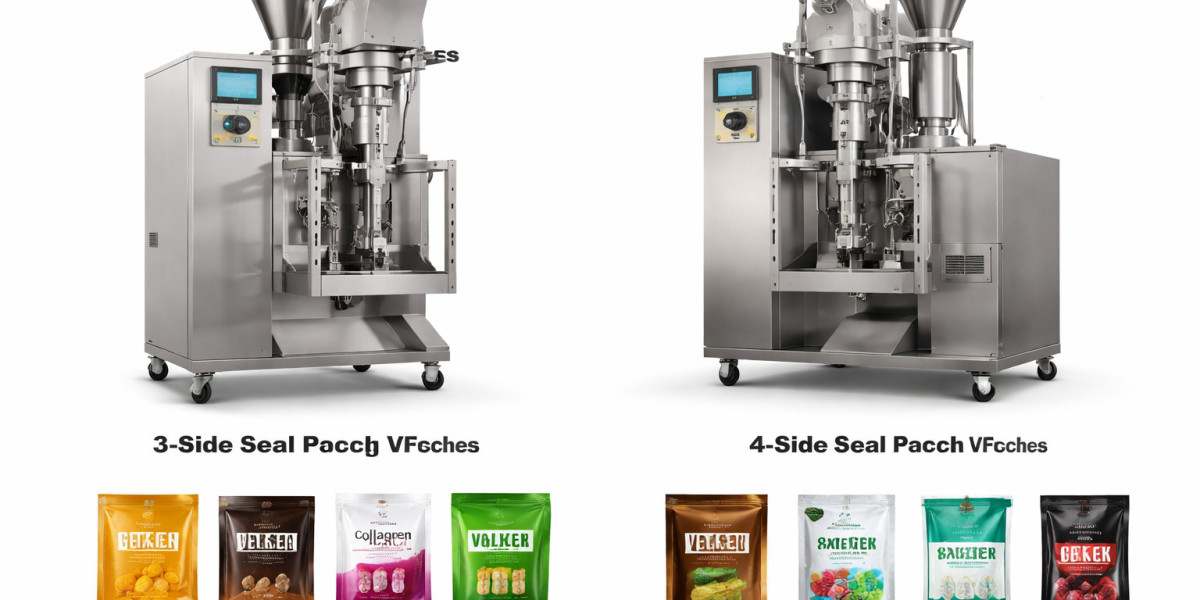

The packaging landscape is filled with various formats, each designed to meet specific product requirements and consumer expectations. Among the most popular choices for small to mid-sized portions are sachet formats. When deciding on the right geometry for your product, understanding the nuances between 3-side and 4-side seals is essential. For many manufacturers, the decision to invest in high-performance 4 side seal sachet packaging machines is driven by the need for perfect symmetry and superior seal integrity. This choice not only impacts the visual appeal of the product on the shelf but also influences the overall efficiency of the production line. Choosing the correct format ensures that your brand communicates quality while maintaining the functional requirements of the contents inside.
What is a 3-Side Seal Pouch?
A 3-side seal pouch is a versatile and cost-effective packaging format that is widely used across various industries. It is typically constructed from a single web of packaging film that is folded and then sealed on three sides. One side, usually the top or bottom, remains open during the manufacturing process to allow for filling before the final seal is applied.
Key Characteristics of 3-Side Seals
Material Efficiency: Because these pouches are often made from a single piece of folded film, they generally require less material than more complex designs.
Internal Volume: The folded side allows the pouch to "bulge" slightly more than a flat sachet, making it suitable for bulkier items or larger quantities of powder.
Ease of Production: The machinery for 3-side seals is often simpler to set up and maintain, making it a favorite for startups and mid-sized enterprises.
Common Uses for 3-Side Seal Pouches
This format is the workhorse of the food industry. You will frequently see 3-side seal pouches used for vacuum-packed meats, dried fruits, nuts, and single-serve snacks. Its ability to handle vacuum pressure makes it an excellent choice for perishable goods that require a long shelf life.
What is a 4-Side Seal Pouch?
The 4-side seal pouch, frequently referred to as a sachet, is a more structured and symmetrical format. It is created by sealing two separate webs of film together on all four edges, or by folding a single web and applying an additional seal to the folded side. This results in a perfectly flat and uniform packet.
Key Characteristics of 4-Side Seals
Aesthetic Symmetry: These pouches are perfectly rectangular or square, offering a high-end, professional look that consumers often associate with quality.
Maximum Branding Area: Because the pouch remains flat, both the front and back provide a wide, unobstructed surface for logos, instructions, and regulatory information.
Enhanced Seal Strength: With all four edges heat-sealed under high pressure, these pouches offer exceptional burst strength, which is vital for liquids and fine chemicals.
Common Uses for 4-Side Seal Pouches
The 4-side seal is the gold standard for the pharmaceutical and cosmetic industries. It is used for unit-dose medications, creams, lotions, and liquid condiments like ketchup or mustard. The flat geometry makes these sachets easy to stack in boxes or display in gravity-fed dispensers at retail points.
Comparing the Two: A Side-by-Side Analysis
To help you make an informed decision, let us look at the specific areas where these two formats differ the most.
1. Visual Appeal and Marketing
The 4-side seal pouch wins when it comes to "shelf presence." Its flat design ensures that the branding remains visible without distortion. In contrast, the 3-side seal can sometimes appear wrinkled or uneven depending on how the product settles inside. For luxury samples or medical products where clarity is key, the 4-side seal is usually the winner.
2. Material and Production Costs
If your primary goal is to reduce cost per unit, the 3-side seal is often the better choice. It uses less film per pouch because it eliminates one sealed edge. However, for high-speed manufacturing, the multi-lane capabilities of 4-side seal systems often provide better long-term ROI due to the sheer volume of production they can handle.
3. Protection and Barrier Properties
Both formats offer excellent protection when used with the right film laminates. However, the 4-side seal provides a more uniform distribution of pressure during the sealing process. This makes it slightly more reliable for liquid products that might exert pressure on the seals during transport or storage.
Operational Considerations for Manufacturers
Selecting a pouch format is not just about the package; it is about the machinery that produces it. The efficiency of your production line depends on how well your equipment matches your chosen format.
The world of flexible packaging machines has evolved to offer incredible versatility. High-speed systems are now capable of switching between different film types and pouch sizes with minimal downtime. When selecting equipment, manufacturers must consider the "Total Cost of Ownership." This includes the initial purchase price, the cost of energy, the ease of obtaining spare parts, and the technical skill required to operate the system.
Automated systems provide several advantages over manual or semi-automated lines:
Consistency: Every seal is applied with the exact same temperature and pressure, reducing the risk of leaks.
Waste Reduction: Precision sensors ensure that the film is cut and filled with minimal scrap material.
Data Integration: Modern machines can track production metrics in real-time, allowing managers to identify bottlenecks and optimize throughput.
Which One is Right for Your Brand?
The final choice between a 3-side and 4-side seal should be based on your product’s physical state and your brand positioning.
Choose a 3-Side Seal If:
You are packaging dry goods like tea, spices, or snacks.
You need to vacuum seal your product.
You are looking for the most cost-effective material usage.
You need a larger internal volume for a bulkier product.
Choose a 4-Side Seal If:
You are packaging liquids, gels, or fine powders.
You want a premium, symmetrical look for your brand.
You are in the pharmaceutical or high-end cosmetic industry.
You need to produce high volumes on a multi-lane production line.
Conclusion
Both 3-side and 4-side seal pouches offer distinct advantages that can help a brand succeed in a competitive market. The 3-side seal provides economy and versatility for a wide range of consumer goods. In contrast, the 4-side seal offers the precision, strength, and aesthetic quality required for specialized and premium applications. By understanding these differences and investing in the right technology, manufacturers can ensure that their products are delivered safely and attractively to the consumer. At Unified Flex, we understand that every product is unique. We provide the expertise and the advanced machinery necessary to help you master either format, ensuring that your packaging strategy becomes a powerful driver for your business growth.
Frequently Asked Questions
Can a 3-side seal pouch be used for liquid products?
Yes, it is possible to use 3-side seal pouches for liquids, but it is less common for single-serve sachets. The 4-side seal is generally preferred for liquids because the extra seal provides added security against leaks and a more uniform shape.
Why is the 4-side seal more popular in the pharmaceutical industry?
Pharmaceutical products require extreme precision and strict regulatory compliance. The 4-side seal provides a flat, clear surface for printing mandatory dosage information and offers the highest seal integrity to keep chemicals sterile and stable.
Is there a difference in shipping costs between the two formats?
Because 4-side seal sachets are flatter, they can sometimes be packed more densely into shipping boxes. This can lead to minor savings in shipping and storage costs compared to 3-side seal pouches, which may have a more irregular, bulging shape.
Can I use the same film for both pouch styles?
Generally, yes. Most flexible packaging films, such as PET, Foil, and PE laminates, are compatible with both 3-side and 4-side seal machines. The choice of film depends more on the barrier requirements of your product than the seal geometry.
Which format is easier for the consumer to open?
Both formats can be equipped with "tear notches" or "laser scoring" to make them easy to open. However, because 4-side seals are often used for liquids, they frequently include specialized "spout" features or corner tears to prevent spilling during the opening process.