
Brazil's retail banks are undergoing one of the most disruptive transformations in the history of financial services in Latin America․ The emergence of real-time payments in Brazil through Pix‚ the mass adoption of mobile-first banking‚ rapid fintech competition and Open Finance have upended the economics of consumer banking․ In this Brazil retail banking market analysis‚ we show how digitalization‚ Pix‚ and open financial architecture are not just reshaping banking systems‚ but are set to considerably reshape retail banking (9․31% CAGR) between 2025 and 2034․
Brazil Retail Banking Market Analysis: 2025-2034 Snapshot
The Brazil retail banking market reached USD 71.4 Billion in 2025 and is forecast to reach USD 159.0 Billion by 2034, expanding at a CAGR of 9.31% during 2026-2034. The pace of growth reflects a market that has moved beyond digital experimentation and is now executing at scale, with both incumbent banks and challengers competing for a deeper share of daily financial life.
Key headline numbers:
- Market size in 2025: USD 71.4 Billion
- Forecast market size in 2034: USD 159.0 Billion
- Forecast CAGR (2026-2034): 9.31%
- Share of online banking transactions in 2023: over 80%, up from 54% in 2014
- Pix users in December 2024: 172.6 Million, roughly 75% of Brazil's population
- Pix transactions in 2024: 57 Billion, worth USD 3.8 Trillion
- Pix total transaction value in 2024: over 26 Trillion Reais (USD 4.61 Trillion)
What Is Driving the 9.31% Growth Forecast in Brazil Retail Banking?
The 9.31% growth trajectory rests on a series of mutually reinforcing drivers that expand both the customer base and the depth of banking relationships. Rapid digitization, rising middle-class demand for credit, and aggressive fintech partnerships are pushing banks to broaden product portfolios and compete on experience rather than branch density.
Principal growth drivers include:
- Digital-first customer expectations forcing continuous investment in mobile platforms and AI-powered personalization.
- Financial inclusion programs expanding addressable banking populations, particularly in underserved regions.
- Fintech partnerships accelerating product innovation around credit, investments, and payments.
- Regulatory modernization, including Open Finance, that is unlocking data sharing and competitive product design.
- Real-time payments dominance through Pix, which is generating new monetizable engagement opportunities.
- Advancements in cybersecurity, increasing consumer confidence in fully digital banking experiences.
How Is Digital Transformation Reshaping the Brazil Retail Banking Market?
Digital transformation is now seen as the operating model․ In Brazil‚ more than 80% of banking transactions in 2023 occurred online․ The speed of change is illustrated by the fact that in 2014‚ only 54% of transactions were done in a bank branch․ Market incumbents Itaú‚ Bradesco‚ and Banco do Brasil defend market shares through investment in digital infrastructure‚ artificial intelligence in customer experiences‚ and cloud in a bid to catch up to agile market entrants․
Three shifts stand out in Brazil's digital banking evolution:
- App-centric customer journeys have replaced branch visits for account opening, loan origination, card management, and investment transactions.
- AI-driven personalization is now embedded in mobile experiences, with banks like Bradesco and Itaú Unibanco using algorithms to generate customized product offers, automate budgeting insights, and deliver proactive financial alerts.
- Automated fraud detection and risk assessment systems are becoming the backbone of digital lending, leveraging transaction data, behavioral signals, and machine learning models.
These upgrades are being tested and scaled through internet banking platforms, which now operate as the primary innovation surface for retail banks.
Pix Impact: Why Real-Time Payments Are Reshaping Retail Banking
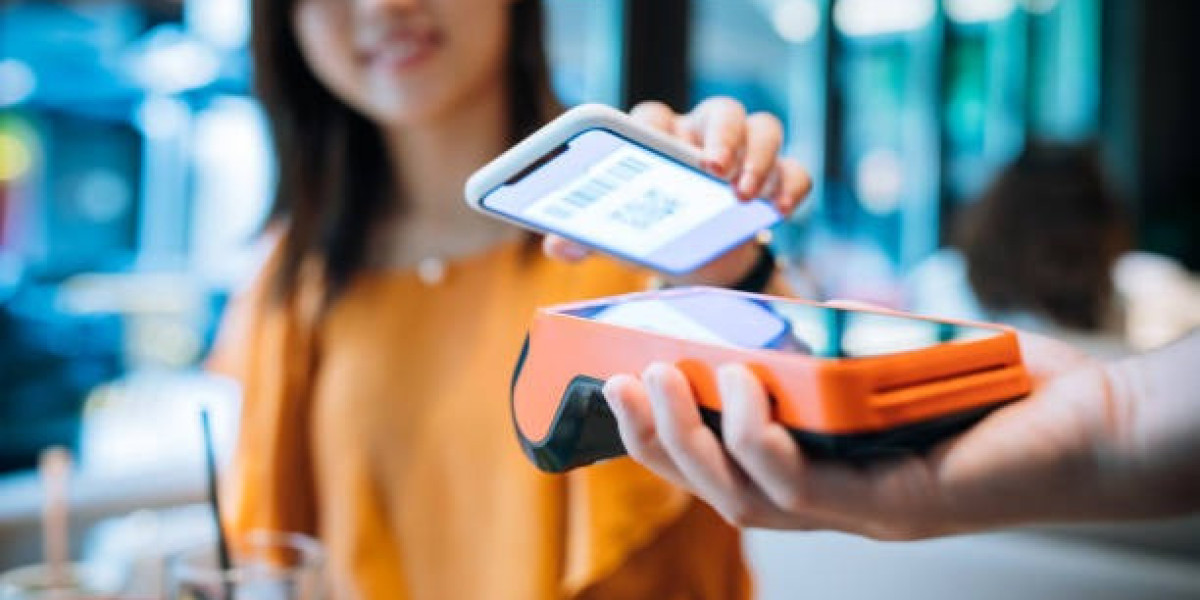
Pix has transformed the economics of retail banking in Brazil. Since launching in 2020, the instant payment system has become the dominant consumer payment method, outpacing cash and cards across merchant categories, peer-to-peer transfers, and public sector disbursements.
The scale of Pix adoption is fundamentally altering how banks monetize customer relationships:
- In 2024, Pix processed over 26 Trillion Reais (USD 4.61 Trillion) in transactions.
- By December 2024, Pix reached 172.6 Million users, roughly 75% of Brazil's population, handling 57 Billion transactions worth USD 3.8 Trillion that year.
- In June 2025, the Central Bank of Brazil rolled out a new recurring payment feature for Pix, extending its functionality deeper into subscription, utility, and household finance use cases.
The competition among banks is no longer about the cost of enabling a Pix transaction․ It's about how they can leverage the behavioral data generated by Pix in their products․ Cash back offers‚ access to credit for thin file borrowers‚ scheduled payment products‚ in-person payments‚ and specialized QR code products for micro-merchants and gig workers are the extended case for Pix․ As Pix evolves beyond payments‚ banks will be creating engagement layers‚ loyalty programs‚ or lending triggers via Pix-related data‚ which will account for a higher share of retail banking revenues by 2034․
Open Finance and the Rise of Neobanks
With Open Finance following suit‚ the flywheel that Pix set in motion is only accelerating․ Brazil's Open Finance program is opening product categories‚ pricing combinations‚ and aggregation scenarios that would have been impossible without consented‚ standardized data sharing between institutions․
Neobanks have been the earliest beneficiaries of this infrastructure shift. Brands like Nubank and Banco Inter began by targeting younger users with zero-fee accounts and streamlined mobile experiences. Their growth now extends into older demographics through:
- Real-time account approvals and onboarding
- Free transfers and transparent fee structures
- Single-app access to credit, investments, insurance, and bill payment
- Alternative credit scoring methods that leverage behavioral and transactional data
- Open Finance APIs that provide users with cross-institution visibility and better pricing
Incumbents are clearly challenged by the current wave of online banking platforms that have adopted challenger features‚ and the space is now dominated by user experience and speed․ Open Finance‚ combined with Pix and AI-based tools‚ represents a full-stack opportunity for incumbents and challengers to build hyper-personalized retail banking products․
Is AI the Next Competitive Battleground in Brazil Retail Banking?
AI is rapidly becoming the core system capability rather than a peripheral enhancement. Leading banks are deploying algorithms to monitor spending patterns, generate tailored product recommendations, detect fraud in real time, and assess creditworthiness with greater precision.
AI use cases now shaping retail banking strategy include:
- Personalized product offers triggered by real-time spending and saving behavior
- Predictive budgeting alerts that help users avoid overdrafts and missed payments
- Voice-based customer interactions within mobile banking apps
- Fraud detection and anti-money-laundering monitoring at transaction level
- AI-assisted loan underwriting, including alternative data models for thin-file customers
Banks integrating AI at the system level are better positioned to launch financial planning tools and wealth management products, particularly as mobile banking adoption extends across both urban and rural markets. The Brazil retail banking market analysis suggests that AI capability will increasingly separate the leaders from laggards over the next decade.
Brazil Retail Banking Market Segmentation
The market is segmented across products, channels, and regions, giving banks multiple vectors for competitive positioning.
By Product
- Transactional Accounts
- Savings Accounts
- Debit Cards
- Credit Cards
- Loans
- Others
Credit cards, personal loans, and transactional accounts are the most contested product categories, particularly as fintechs expand their credit offerings and incumbents modernize their digital lending infrastructure.
By Channel
- Direct Sales
- Distributor
Direct sales through digital channels dominate the Brazilian retail banking experience, with mobile apps and internet banking platforms serving as the primary acquisition and servicing surface. Distributor channels retain importance for bundled financial products and partnerships with retail ecosystems.
By Region
- Southeast
- South
- Northeast
- North
- Central-West
The Southeast region, anchored by São Paulo and Rio de Janeiro, concentrates the bulk of high-income retail banking activity, corporate payrolls, and digital-native users. The South region contributes strong middle-class retail banking demand, while the Northeast, North, and Central-West regions represent high-potential growth zones supported by financial inclusion programs and mobile-first banking adoption.
Competitive Landscape and Key Players
The competitive environment combines traditional universal banks with digital-first challengers and specialty fintechs. Leading participants shaping Brazil's retail banking market include:
- Itaú Unibanco — Latin America's largest private bank, with strong AI-led digital strategy.
- Banco Bradesco — A leader in branch rationalization and AI-powered customer service.
- Banco do Brasil — State-controlled bank with deep payroll, agricultural, and public sector reach.
- Caixa Econômica Federal — Key player in mortgage lending, social benefits distribution, and inclusion-focused banking.
- Santander Brasil — Largest international bank operating in Brazil, active in retail, cards, and consumer credit.
- Nubank (Nu Holdings) — Global-scale neobank with one of the world's largest customer bases.
- Banco Inter — Fully digital bank offering an integrated super-app experience.
- C6 Bank, BTG Pactual digital, Banco Safra, PicPay, and XP Inc. — additional competitors driving product innovation across payments, credit, and investments.
Competition now hinges on the quality of digital experience, AI-driven personalization, Open Finance strategy, and the ability to monetize Pix-driven engagement.
Recent Developments Shaping the Outlook
Recent developments reinforce how quickly the Brazilian retail banking landscape is evolving:
- June 2025: The Central Bank of Brazil launched a new recurring payment feature for Pix, expanding its use in subscriptions, utilities, and household finance.
- 2024 (Full Year): Pix processed over 26 Trillion Reais (USD 4.61 Trillion) in transactions, solidifying its role as the region's leading payment method.
- December 2024: Pix reached 172.6 Million users and handled 57 Billion transactions worth USD 3.8 Trillion, cementing its central role in everyday banking activity.
- 2023: Over 80% of banking transactions migrated online, reflecting structural acceleration in digital adoption compared with just 54% in 2014.
Download a sample copy of the report
Strategic Outlook for the Brazil Retail Banking Market
Through 2034, the Brazil retail banking market will reward institutions that combine scale with digital agility. According to IMARC Group, the market will nearly triple from USD 71.4 Billion in 2025 to USD 159.0 Billion by 2034, driven by deeper Pix integration, expanding Open Finance use cases, AI-powered personalization, and rising demand for credit among Brazil's growing middle class.
Strategic priorities for banks, fintechs, and investors include:
- Embedding AI across core systems to personalize offers, assess risk, and automate advice.
- Monetizing Pix engagement through credit, loyalty, and merchant services rather than transactional fees.
- Executing Open Finance strategy with clear use cases around consolidated financial management, personalized pricing, and cross-institution credit.
- Expanding financial inclusion through mobile-first, lightweight onboarding and alternative credit scoring.
- Strengthening cybersecurity and resilience, particularly as digital transactions dominate consumer banking.
Over the next ten years‚ Brazil's retail banking will evolve from a network of bank branches to a smart‚ data-driven‚ real-time ecosystem․ And those that build their model on Pix‚ Open Finance‚ and Artificial Intelligence will ultimately capture most of the USD 87․6 Billion of incremental value that retail banking will create by 2034‚ putting Brazil at the forefront of the evolution of retail banking worldwide․
Ubicación del Autor
Rio de Janeiro brasil