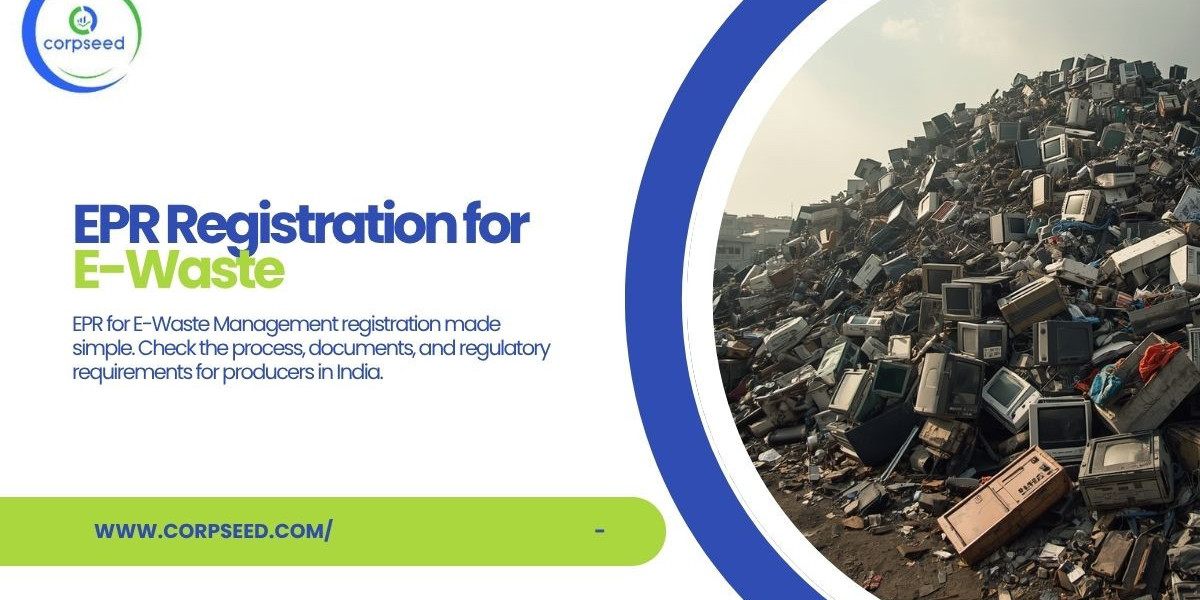

The rapid rise in electronic consumption has led to a significant increase in e-waste generation across India. Discarded devices often contain hazardous materials that can harm the environment if not handled properly. This makes EPR for e-waste recycling a critical regulatory framework for responsible waste management.
Extended Producer Responsibility (EPR) ensures that businesses remain accountable for their products even after they are no longer in use. For companies involved in manufacturing, importing, or selling electronics, obtaining an e waste certificate and complying with EPR norms is essential for legal operations and long-term sustainability.
What is EPR for E-Waste Recycling?
Extended Producer Responsibility (EPR) is a policy that assigns responsibility to producers for managing the disposal and recycling of electronic products once they reach the end of their lifecycle.
Under EPR regulations, businesses must:
- Collect e-waste generated from their products
- Ensure recycling through authorized facilities
- Meet defined recycling targets
- Maintain proper records and submit reports
This structured approach helps reduce environmental damage and promotes formal recycling systems.
Objectives of EPR in E-Waste Management
EPR aims to improve waste management practices by focusing on:
- Reducing pollution caused by electronic waste
- Encouraging safe and scientific recycling
- Promoting sustainable product design
- Recovering valuable materials like metals and plastics
- Ensuring producer accountability
Regulatory Framework in India
EPR for e-waste recycling in India is governed by:
- E-Waste Management Rules, 2016 (updated in 2022)
- Central Pollution Control Board (CPCB) guidelines
- Oversight by State Pollution Control Boards (SPCBs)
Key Authorities
- Central Pollution Control Board (CPCB)
- State Pollution Control Boards (SPCBs)
- Authorized recyclers and dismantlers
Who Needs EPR Authorization?
The following entities are required to comply with EPR regulations:
- Manufacturers of electronic equipment
- Importers of electronic goods
- Brand owners selling products under their name
- Online marketplaces dealing in electronics
Common Product Categories
- Mobile phones and accessories
- Laptops and computers
- Televisions and monitors
- Home appliances such as refrigerators and air conditioners
- Batteries and charging devices
What is an E Waste Certificate?
An e waste certificate is an official document issued by authorized recyclers confirming that a specified quantity of e-waste has been properly recycled.
Key Significance
- Acts as proof of compliance with EPR norms
- Helps businesses meet recycling targets
- Required for regulatory filings
- Ensures traceability of waste processing
Step-by-Step Process for EPR Compliance
1. Registration with CPCB
- Register on the official CPCB EPR portal
- Provide details of your organization and products
2. Develop an EPR Plan
- Estimate expected e-waste generation
- Define collection and recycling strategies
- Set annual targets
3. Engage Authorized Recyclers
- Partner with CPCB-approved recyclers
- Formalize agreements for waste handling
4. Set Up Collection Systems
- Establish take-back programs or collection centers
- Implement reverse logistics systems
5. Recycling and Certification
- Send collected e-waste for processing
- Obtain the e waste certificate
6. File Annual Returns
- Submit reports to CPCB
- Maintain records for compliance verification
EPR Compliance Targets
- Year 1: 60% of generated e-waste must be recycled
- Year 2: 70% of generated e-waste must be recycled
- Year 3 onwards: 80% of generated e-waste must be recycled
Note: Actual targets may vary based on product categories and updated regulations.
Benefits of EPR for E-Waste Recycling
Environmental Impact
- Reduces landfill waste
- Prevents contamination from hazardous substances
- Promotes reuse and recycling
Business Advantages
- Ensures regulatory compliance
- Enhances brand credibility
- Builds consumer confidence
- Supports sustainability goals
Economic Value
- Strengthens the recycling ecosystem
- Creates employment opportunities
- Reduces reliance on new raw materials
Challenges in EPR Implementation
Businesses may face certain obstacles such as:
- Limited awareness of regulatory requirements
- Difficulty in managing collection networks
- Presence of informal recycling sectors
- High costs of logistics and operations
Best Practices for Effective Compliance
To improve efficiency in EPR compliance:
- Collaborate with certified recyclers
- Maintain accurate documentation
- Use digital tools for tracking waste
- Educate consumers about responsible disposal
- Conduct regular compliance reviews
Example of Implementation
A consumer electronics company can adopt EPR by:
- Launching a take-back initiative
- Setting up collection points in key markets
- Partnering with authorized recyclers
- Obtaining e waste certificates
- Filing annual compliance reports
This approach ensures adherence to regulations while improving customer engagement.
Authoritative References
- Central Pollution Control Board (CPCB): https://cpcb.nic.in
- Ministry of Environment, Forest and Climate Change: https://moefcc.gov.in
- United Nations Environment Programme (UNEP): https://www.unep.org
FAQs:
1. What is EPR for e-waste recycling?
It is a regulatory system that requires producers to collect and recycle electronic waste generated from their products.
2. Who issues the e waste certificate?
Authorized recyclers registered with CPCB provide this certificate after processing e-waste.
3. Is EPR mandatory for all electronics businesses?
Yes, it is mandatory for manufacturers, importers, and brand owners involved in electronics.
4. What are the penalties for non-compliance?
Penalties may include fines, legal action, or restrictions on business operations.
5. How long does the registration process take?
EPR registration typically takes 4–8 weeks, depending on approvals and documentation.
Conclusion
EPR for e-waste recycling is essential for ensuring responsible disposal of electronic waste and protecting the environment. Businesses that comply with EPR regulations not only meet legal requirements but also strengthen their sustainability profile.
Obtaining an e waste certificate is a key step in demonstrating compliance and maintaining transparency. By adopting structured processes and working with authorized recyclers, companies can simplify EPR implementation and contribute to a cleaner future.