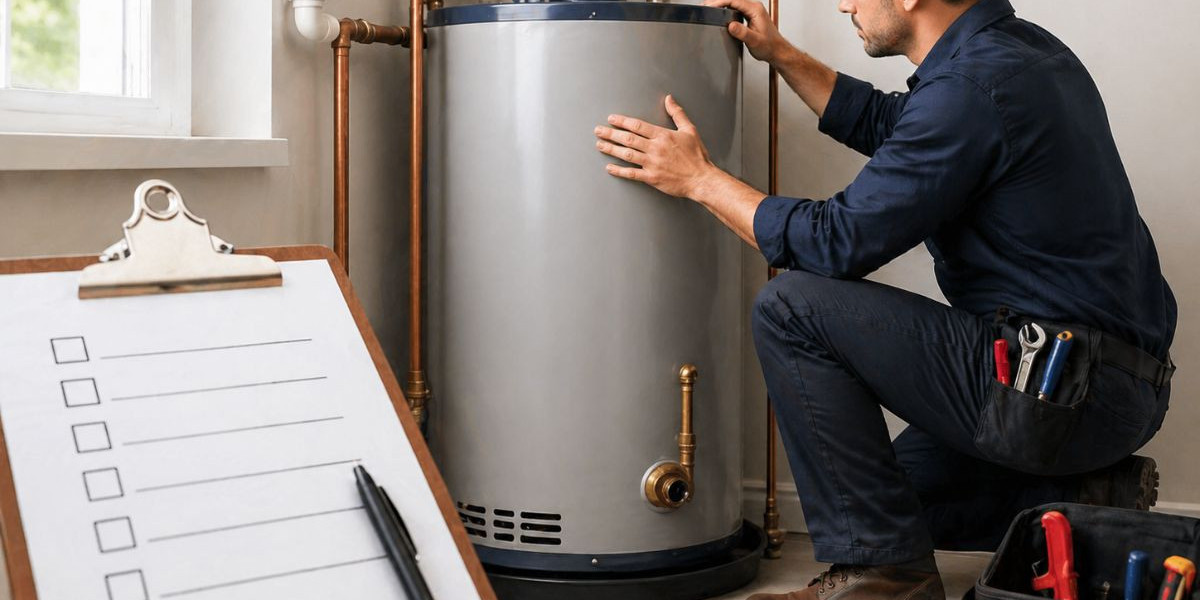

Installing a water heater is an important task that directly impacts your daily comfort. From warm showers to clean dishes, hot water plays a key role in every household. A proper installation ensures efficiency, safety, and long lasting performance. Whether you are replacing an old unit or installing a new one, following a clear checklist can make the entire process smooth and stress free.
Choose the Right Water Heater
The first step in any successful installation is selecting the right water heater for your home. There are different types available, including tank and tank less models. Each option has its own advantages depending on your usage and budget.
Consider factors such as household size, water usage, and energy efficiency. A larger family may need a higher capacity unit, while smaller homes can benefit from compact options. Choosing the right system helps avoid performance issues and unnecessary energy costs.
Check the Installation Location
Before installing the water heater, it is important to inspect the location where it will be placed. The area should be clean, dry, and well ventilated. Proper spacing around the unit allows easy maintenance and improves safety.
Make sure the floor is strong enough to support the weight of the water heater, especially for tank models. Also, ensure that the location is close to water and power connections to simplify the installation process.
Inspect Plumbing Connections
Existing plumbing connections should be carefully checked before installation. Look for any leaks, corrosion, or damage in pipes and fittings. Replacing worn out components before installing a new unit prevents future problems.
Ensure that water supply lines are properly aligned and compatible with the new heater. Secure connections help maintain consistent water flow and reduce the risk of leaks.
Verify Power and Fuel Supply
Different water heaters require different power sources, such as electricity or gas. Before installation, confirm that your home has the correct power supply available.
For electric heaters, check the wiring and circuit capacity. For gas units, ensure that the gas line is properly connected and safe to use. A stable power or fuel supply is essential for efficient operation and safety.
Install Proper Safety Features
Safety should always be a top priority during water heater installation. Installing essential safety features protects both your home and your family.
A pressure relief valve is necessary to prevent excess pressure buildup inside the tank. Proper venting is also important for gas heaters to safely release exhaust gases. These safety measures reduce the risk of accidents and ensure smooth operation.
Set the Right Temperature
After installation, setting the correct water temperature is crucial. Extremely high temperatures can lead to burns and increase energy consumption. On the other hand, low temperatures may not provide adequate hot water.
Adjust the thermostat to a moderate level that balances comfort and efficiency. This simple step improves safety and helps reduce energy bills.
Test the System Thoroughly
Once the installation is complete, testing the system is essential. Turn on the water heater and check for proper functioning. Look for leaks around connections and ensure that water heats up as expected.
Run hot water through faucets to confirm consistent flow and temperature. Testing helps identify any issues early so they can be fixed before they become major problems.
Insulate Pipes for Better Efficiency
Insulating hot water pipes is a simple yet effective way to improve efficiency. It helps retain heat as water travels from the heater to your faucets.
This not only reduces energy loss but also ensures faster delivery of hot water. Pipe insulation is a small investment that offers long term savings and convenience.
Schedule Regular Maintenance
Even after a successful installation, regular maintenance is necessary to keep your water heater in good condition. Over time, sediment buildup and wear can affect performance.
Routine inspections and cleaning help extend the lifespan of the unit. A professional plumber can check for potential issues and ensure that everything is working efficiently.
Know When to Call a Professional
While some homeowners may attempt to install a water heater themselves, it is always safer to rely on a professional for complex setups. Incorrect installation can lead to leaks, inefficiency, and safety hazards.
A trained expert ensures that every step is handled correctly, from connections to safety checks. This not only saves time but also provides peace of mind knowing the job is done right.
Conclusion Water Heater Installation Checklist
A smooth water heater installation requires careful planning and attention to detail. From choosing the right unit to testing the system, every step plays a vital role in ensuring reliable performance.
Following this checklist helps prevent common issues and keeps your water heater running efficiently for years. Whether you handle the process yourself or hire a professional, a proper installation ensures comfort, safety, and long term value for your home.
Ubicación del Autor
United States