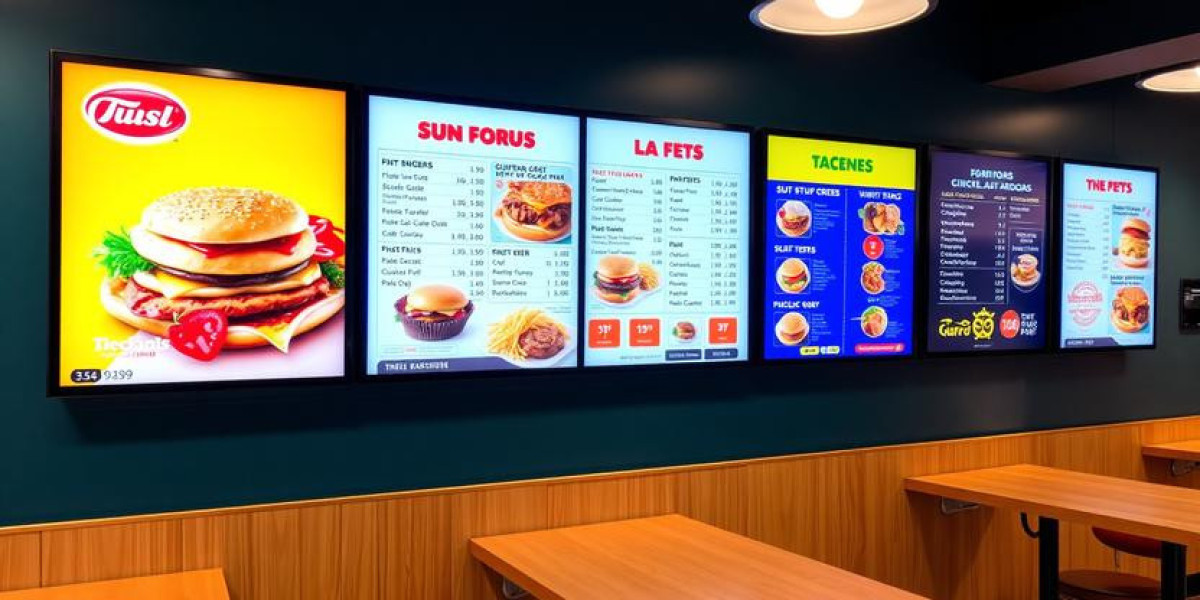

In the fast-paced world of street food and local coffee shops, your menu board isn't just a list of prices. It's your sales floor, your brand ambassador, and your silent cashier. Whether you're running a food truck parked at a busy downtown corner or a cozy cafe on a quiet side street, the way you present your offerings makes the difference between a curious glance and a loyal customer.
Why Physical Menu Boards Still Rule
Digital screens have their place, but food truck and cafe menu boards hold a unique power. They offer immediate, no-click, in-your-face information. A customer walking up to your truck or standing at your counter wants answers in under three seconds. What do you serve? How much does it cost? Is there anything new or special today?
A well-designed menu board answers all these questions instantly. It reduces hesitation, speeds up the ordering line, and increases the average ticket value by drawing attention to your most profitable items.
Food Truck Menu Boards: Small Space, Big Impact
Space is the first challenge on a food truck. You might have only six to eight square feet for your menu. That forces you to make hard choices. Instead of listing every sauce or substitute, you focus on hero items.
The best food truck menu boards use large, bold category headers like Tacos, Bowls, or Specialties. Prices are clearly visible without dominating the design. Many successful trucks organize their boards by protein or spice level, which helps customers self-navigate based on their cravings.
Weather is another factor trucks face that cafes don't. Outdoor menu boards need laminated surfaces, waterproof finishes, or backlit protection. Some food truck owners switch to magnetic letter boards for daily flexibility, while others use weather-resistant digital screens built for mobile environments.
Another trend gaining traction is the reversible or dual-sided menu board. One side faces the line of customers waiting to order. The other side faces the pickup window or seating area, reminding people what they just ordered and tempting them to add a drink or dessert.
Cafe Menu Boards: Atmosphere Meets Information
Cafe menu boards live in a different world. Customers often walk in looking for comfort, routine, or a quiet place to work. They might stare at your board for several minutes while deciding between a latte and a cold brew.
This slower pace allows cafes to use more detail. You can list coffee origins, tasting notes, milk alternatives, and syrup flavors. Breakfast sandwiches can be described with ingredients like "ciabatta, cage-free egg, aged cheddar, and applewood bacon."
But more detail doesn't mean more clutter. The most effective cafe menu boards separate drinks from food, hot from cold, and regular from seasonal. Chalkboards remain popular for their handcrafted, warm aesthetic. However, many cafes have moved to printed acrylic boards or LCD screens that can rotate breakfast, lunch, and afternoon tea menus without reprinting anything.
Design Principles That Apply to Both
Whether you run a taco truck or an espresso bar, a few hard rules apply to every menu board.
Readability is king. If a customer squints, they walk away. Use high contrast like white letters on a dark background or black letters on a light background. Avoid script fonts for main items. Save decorative typefaces for your logo or a single heading.
Price alignment matters. Dots or lines running from the item to the price are outdated. They create visual noise. Instead, list prices directly next to each item, aligned consistently on the right. Better yet, leave off dollar signs and decimal points. Write "4" instead of "$4.00" to look cleaner and feel less expensive.
Group by decision, not by category. A cafe customer decides between hot and iced coffee first. A food truck customer decides between chicken, beef, or vegan first. Structure your board around the customer's natural decision path, not your internal inventory list.
Limit options to seven per category. Choice paralysis is real. Customers presented with too many options often walk away or pick something cheap and familiar. Your menu board should guide them toward your best, most profitable items by giving those items more visual weight. Use boxes, larger font sizes, or a different background color to highlight your signature dish or drink.
Seasonal and Daily Flexibility
One advantage of modern food truck menu boards over printed paper menus is flexibility. Food trucks with chalk or magnetic boards can swap out a sold-out item in seconds. Cafes with digital screens can promote a rainy-day special or a new pastry delivery within minutes.
Even static boards can be designed for change. Leave a dedicated section for "Today's Special" that uses dry-erase or peel-and-stick labels. This small area keeps your board feeling fresh and encourages repeat customers to check what's new each visit.
Common Mistakes to Avoid
Cramming too much text onto a board is the number one mistake. Owners want to list every ingredient, side option, and customization. But the ordering window is not the time for a novel. Save detailed descriptions for a printed menu or a QR code that customers can scan from the counter.
Another mistake is inconsistent pricing updates. Raising prices is uncomfortable, but hidden increases or faded pricing stickers frustrate customers more than honesty. Update all instances of a price at the same time. If you raise the cost of cold brew, check that your main board, drive-thru board (for cafes with windows), and any digital menu all match.
Poor lighting is the silent killer of menu boards. A beautiful chalkboard in a dim corner helps no one. Install dedicated spotlights or backlights so every item is readable from the register. For outdoor food trucks, consider solar-powered LED strips that run along the top edge of your menu frame.
Materials That Last
Food trucks and cafes beat up their menu boards differently. Trucks deal with vibration from the generator, road dust, and rain bouncing off the canopy. Cafes deal with coffee splatter, greasy fingers from pastries, and sunlight fading printed colors over time.
For trucks, marine-grade vinyl, powder-coated aluminum, or polycarbonate panels hold up best. Magnetic boards work well, but small magnets can fly off during driving if not secured. Some truck owners use a two-layer system: a permanent backing board with core menu items, plus a clear plastic overlay sheet for daily changes.
For cafes, chalkboard paint on a wooden board offers charm but requires weekly cleaning to avoid ghosting from old writing. Porcelain steel boards are more expensive but erase cleanly and resist staining from coffee or tea. Acrylic signs printed with UV-cured ink maintain their color for years even in sunny window displays.
Size and Placement Decisions
A food truck menu board needs to be readable from six to ten feet away, which is where most customers stand while waiting to order. Letters should be at least two inches tall for primary items. For cafes, customers stand much closer at the counter, so one-inch letters work fine.
Height matters more than most owners think. The center of your menu board should be at eye level for the average person, roughly 60 to 65 inches from the ground. If you mount it too high, customers strain their necks. Too low, and tall customers block the view for everyone behind them.
Some trucks experiment with a duplicate small menu board at the ordering window for customers who have already waited in line. This speeds up the final order because people have already decided before reaching the cash register.
The Psychology of Pricing on Boards
How you present prices changes how customers feel about spending. Removing dollar signs makes the number feel less like money and more like a code. Ending prices with .95 or .99 still works for perceived value, but many modern cafes and trucks round to the nearest dollar for a cleaner look.
Another psychological trick is to place your best-selling item in the top right corner of the board. In left-to-right reading cultures, the eye naturally starts at the top left but settles longest on the top right before moving down. This prime real estate should hold your highest-margin item, not necessarily your cheapest.
Avoid starvation stacking, which means listing items in order from cheapest to most expensive. This trains customers to scan from the bottom up or to stop at the first low price. Instead, mix price points throughout the categories so every section has a range of affordable and premium options.
Digital vs. Analog for Food Trucks and Cafes
The debate between digital screens and traditional boards continues. Digital offers instant changes, animations, and the ability to show different menus at different hours. But digital screens on food trucks drain batteries quickly and can be unreadable in direct sunlight. Indoor cafe digital screens fare better but cost more upfront and require someone to maintain the software.
Analog boards never glitch, freeze, or need a software update. A broken chalkboard still shows your menu. A faded printed board still makes sales. Many successful operations use a hybrid approach: static boards for core menu items and a small digital screen or rotating section for specials and upselling.
Final Thoughts on Food Truck and Cafe Boards
Your cafe menu board is not an afterthought. It is the physical conversation starter between your food and your customer. A messy, crowded, or faded board silently tells people that your kitchen might be messy too. A clean, clear, confident board suggests the same care inside your truck or cafe.
Take a photo of your current menu board and look at it as if you've never seen it before. Can you find the main categories in two seconds? Are the prices easy to spot? Does anything make you want to order a second item? If the answer to any of these is no, it's time to rethink the board that speaks for your business every single day.