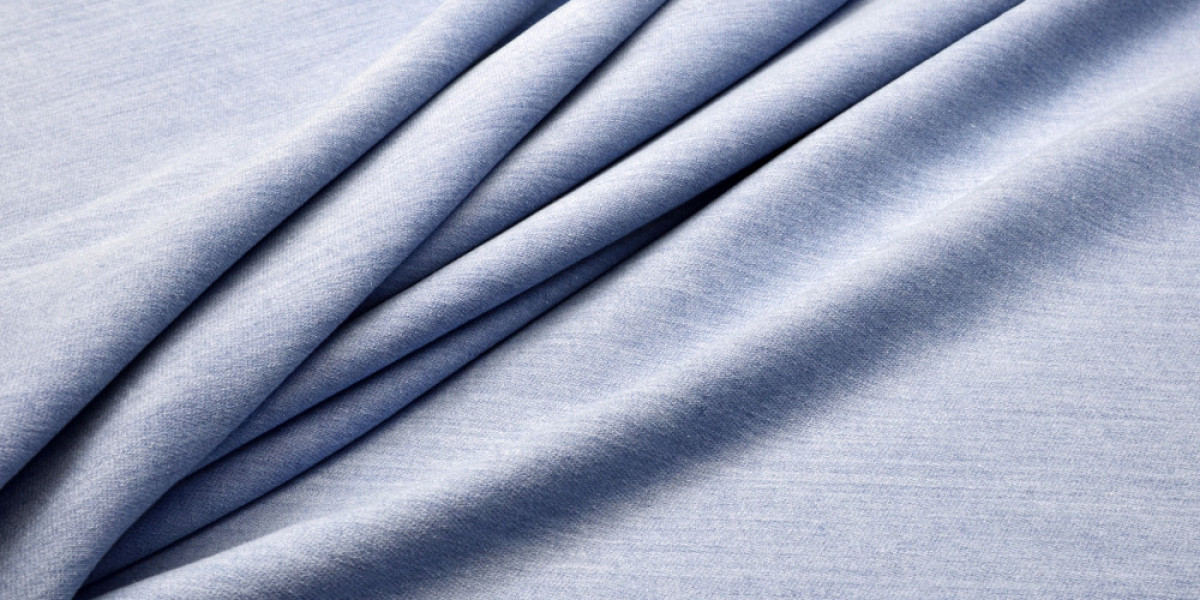

When designers and manufacturers source materials, cotton consistently ranks at the top of their lists. As one of the best local and online stores and suppliers, Fabriclore Pvt Ltd provides high-quality cotton to fashion businesses globally. We see firsthand how this material forms the backbone of countless clothing lines.
The UK apparel industry relies heavily on cotton. It makes up a massive portion of the clothing sold on the high street and online. Consumers want comfortable, long-lasting clothes, and brands need reliable, versatile materials to meet that demand. This post explains exactly why cotton holds such a strong position in the UK market and how it continues to shape the future of fashion.
Cotton's Journey in British Textiles
Cotton has deep roots in British manufacturing. During the 18th and 19th centuries, the UK became a global center for textile production, with cities like Manchester earning the nickname "Cottonopolis." The mills of Northern England produced massive volumes of woven goods, shipping them worldwide.
While heavy manufacturing has largely moved overseas, the UK maintains a strong connection to this material. British designers and retail brands continue to heavily specify cotton for their collections, leaning on its proven track record and widespread consumer acceptance.
Why Cotton Remains a Favorite
Clothing brands and consumers alike prefer cotton for several highly practical reasons. The material offers a specific set of physical properties that make it incredibly useful for everyday wear.
Comfort and Breathability
Cotton fibers naturally allow air to circulate. This breathability makes cotton fabric highly comfortable, especially in changing weather conditions. It absorbs moisture well, drawing sweat away from the body to keep the wearer cool. This property makes it the default choice for t-shirts, underwear, and summer clothing.
Durability and Versatility
Cotton withstands frequent washing and heavy wear. The fibers actually become stronger when wet, which means garments hold up well to regular laundering. Furthermore, the material adapts to countless weaves and finishes. Manufacturers can spin it into heavy denim, soft flannel, or crisp poplin. Blending it with other fibers creates materials like poly cotton fabric, which combines cotton's breathability with the wrinkle resistance of polyester.
Hypoallergenic Qualities
Many consumers have sensitive skin that reacts poorly to synthetic fibers. Cotton rarely causes allergic reactions. Dermatologists frequently recommend it for people with skin conditions like eczema. Because it can be sterilized at high temperatures without breaking down, it also serves as a hygienic option for medical garments and baby clothing.
Economic and Environmental Impact
The textile industry faces increasing scrutiny regarding its environmental footprint. Cotton presents both solutions and challenges in this area.
Sustainable Practices and Ethical Sourcing
The demand for ethically produced textiles continues to rise across the UK. Brands actively seek materials that carry certifications like the Better Cotton Initiative (BCI) or Global Organic Textile Standard (GOTS). Farmers are adopting water-saving irrigation techniques and reducing pesticide use to make cotton cultivation more environmentally sound. Buyers want transparency, and suppliers are responding by tracing their supply chains back to the farm level.
Cotton's Role in the UK Economy
The retail clothing sector contributes billions of pounds to the UK economy annually. Cotton garments make up a huge percentage of these sales. From major department stores to independent boutique brands, the sale of cotton apparel supports thousands of jobs in retail, marketing, and logistics across the country.
Cotton in Modern UK Fashion
Walk down any UK high street, and you will see cotton in almost every store window.
High Street to High Fashion
Retailers rely on cotton to produce high volumes of affordable, stylish clothing. At the same time, high-end designers use premium, long-staple cotton to craft luxury garments. Its ability to take dye exceptionally well means brands can offer collections in vibrant, long-lasting colors. When consumers decide to Buy Fabric for their own sewing projects, cotton is almost always their first choice due to its ease of use and predictable results.
Innovations in Fabric Technology
Textile engineers constantly improve how cotton performs. New treatments make the fabric water-resistant or stain-repellent without losing its natural feel. Moisture-wicking finishes allow cotton to compete with synthetics in the activewear market. These technical advancements ensure that the material remains relevant to modern consumer needs.
Challenges and Future Trends
The apparel industry moves quickly, and cotton must adapt to stay competitive.
Competition from Synthetics
Synthetic fibers like polyester and nylon cost less to produce than natural fibers. They also offer specific performance benefits, such as high elasticity. To compete, manufacturers frequently blend fibers. Poly cotton fabric offers a highly practical compromise, giving consumers the best attributes of both materials at an accessible price point.
The Push for Organic and Recycled Cotton
UK consumers care deeply about the environment. This drives a massive push toward organic cotton, which is grown without synthetic fertilizers or pesticides. Additionally, textile recyclers are developing better ways to break down old cotton garments and spin them into new yarn. Recycled cotton reduces waste and lowers the overall environmental impact of new clothing production.
The Future of UK Apparel Materials
Cotton fabric maintains its dominance in the UK apparel industry because it simply works. It provides unmatched comfort, reliable durability, and endless versatility. As sustainability becomes the primary focus for brands and consumers, organic and recycled cotton will capture even more of the market.
For fashion brands, sourcing the right material is the first step toward a successful collection. Working with reliable suppliers ensures consistent quality and timely production. Whether you need pure organic cotton or a versatile poly cotton fabric, partnering with experienced professionals like Fabriclore Pvt Ltd guarantees you get exactly what your brand needs to succeed.
Ubicación del Autor
Jaipur, Rajasthan, India















