
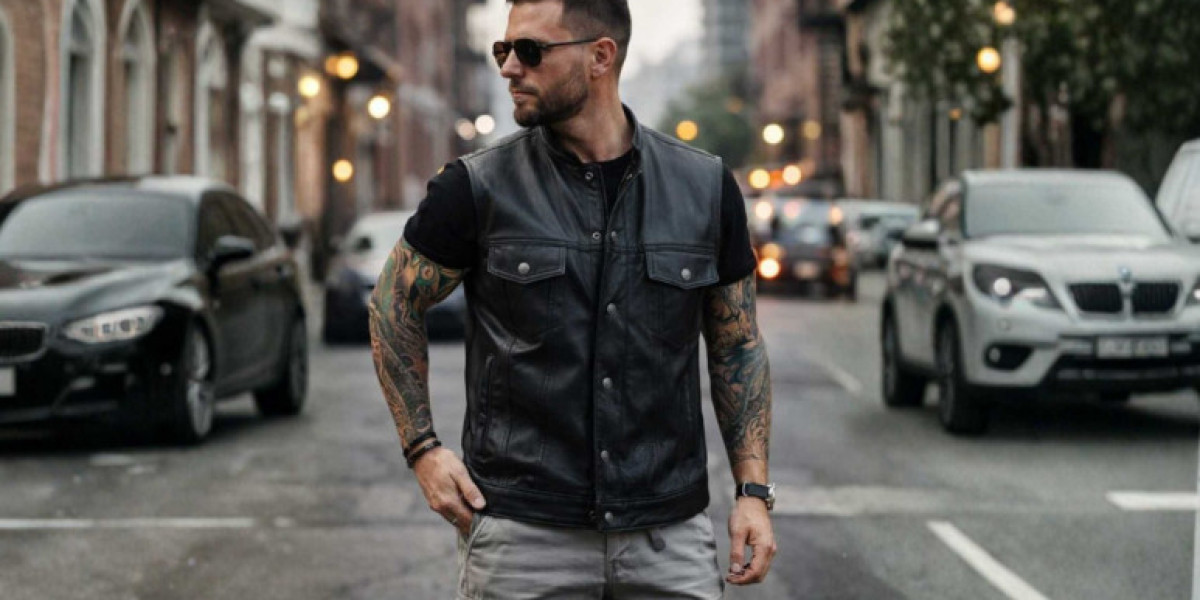

A motorcycle leather vest becomes more than a clothing layer when it is built in a club-style cut. For many riders, the vest holds identity, riding history, patch layout, and practical storage. A club-style vest must therefore be judged by structure, back panel space, leather strength, and comfort during actual riding.
At EliteVest, a leather motorcycle vest is not designed as a flat fashion piece. It is shaped around rider movement, patch placement, and long-term wear. A club-style vest needs enough strength to hold its form, but it also needs comfort so the rider can wear it over shirts, hoodies, or riding layers.
What Makes a Vest Club-Style
A club-style vest usually has a cleaner front, a stronger back panel, and a more structured body. The design is often simple because the vest is meant to support patches, embroidery, or personal rider details.
Common club-style features include:
Clean front panel design
Stable back panel for patches
Snap or zipper front closure
Interior storage pockets
Strong shoulder seams
Straight or slightly tapered body cut
Side laces or adjustment panels
Durable lining for repeated use
A club-style leather motorcycle vest should not feel overly decorative. Its value comes from structure and function. The vest should give the rider a clean surface for customization while still feeling comfortable on the bike.
Back Panel Structure
The back panel is the most important part of a club-style motorcycle leather vest. Riders who plan to add patches need a stable leather surface that can hold stitching without pulling, wrinkling, or losing shape.
A strong back panel helps with:
Large patch placement
Embroidery support
Club identification
Shape retention
Shoulder stability
Long-term leather balance
A single-piece back panel is often preferred because it provides a clean surface without seam interruptions. Multiple seams across the back can make patch placement harder and may affect how the leather sits after customization.
For EliteVest, back panel stability is a construction priority. The leather should be firm enough to support patches but flexible enough to move with the rider’s shoulders.
Patch Space and Placement
Patch space is one of the main reasons riders choose a club-style leather vest. The back should have enough clear area for top rockers, center patches, bottom rockers, name patches, or custom artwork.
Before adding patches, riders should check:
Back panel height
Shoulder seam position
Center back width
Leather thickness
Lining access
Existing seam placement
Patch size and spacing
A custom leather motorcycle vest should be planned with patch placement in mind. If the vest is too short, patches may look crowded. If the back panel is too narrow, larger designs may not sit correctly. If the leather is too soft, patches may pull the material out of shape.
Patch placement should follow the vest’s natural structure. When patches are forced into the wrong area, the leather can wrinkle or distort.
Leather Strength for Club-Style Use
A club-style leather motorcycle vest needs strong leather because customization adds pressure to the material. Patches, thread, embroidery, and regular wear all affect the leather over time.
A full grain leather motorcycle vest can be a strong option because the natural grain surface helps support stitching and aging. A genuine leather motorcycle vest can also work, but the rider should check thickness, grain feel, and panel strength before choosing it for patch use.
Leather strength matters in areas such as:
Back panel
Shoulders
Side seams
Pocket openings
Front closure
Bottom hem
Weak leather may stretch or sag after patches are added. Stronger leather keeps the vest looking structured even after regular riding.
Fit for Rider Movement
A club-style vest should look structured, but it should not restrict movement. Riders need shoulder room, armhole comfort, and enough chest space to reach the handlebars.
A proper fit should allow:
Forward arm reach
Natural shoulder rotation
Comfortable seated posture
Light layering
Chest movement while breathing
Stable back panel position
A men’s leather motorcycle vest often needs more shoulder and chest space, especially if worn over a hoodie. A women’s leather motorcycle vest should support shape through the chest and waist without limiting arm movement.
A vest that is too tight may pull across the back and affect patches. A vest that is too loose may shift while riding and make the back panel sit unevenly.
Front Closure and Body Shape
The front closure affects how the vest sits on the body. Club-style vests may use snaps, zippers, or both. The closure should feel secure and should not strain when the rider sits.
Front closure details to check include:
Snap strength
Zipper smoothness
Closure alignment
Chest tension
Lower front comfort
Hardware durability
If the front panels pull apart or wrinkle sharply, the vest may be too small or poorly shaped. If the front hangs loosely, the vest may be too large. A proper motorcycle leather vest should close cleanly while allowing movement.
Pocket Layout for Rider Use
Club-style vests often need practical pocket layouts. Riders may carry keys, wallet, phone, documents, or small riding items. Pocket placement should support use without affecting balance.
Useful pocket features include:
Interior pockets
Deep hand pockets
Zipper pockets
Snap-secured pockets
Reinforced openings
Balanced left and right placement
A leather motorcycle vest with gun pockets needs extra attention. The pocket must support weight without making the vest sag or twist. Reinforced lining and correct access angle are important.
Even when pockets are not used for heavy items, weak pocket stitching can reduce the life of the vest.
Side Laces and Adjustment
Side laces are common on many club-style leather motorcycle vests. They allow riders to adjust the waist depending on layers, body shape, or seasonal use.
Side laces help with:
Waist comfort
Layering flexibility
Seated fit
Body proportion
Small fit adjustments
The leather around the lace holes should be reinforced. If the holes stretch, the side panel can weaken. A good adjustment system should improve fit without damaging the vest.
Long-Term Wear and Care
A club-style vest is often worn for years, so leather care matters. Regular use can create patina, creases, and natural softening. These signs are normal in a real motorcycle leather vest, especially when made from quality leather.
Basic care includes:
Wipe dust with a soft cloth
Keep the vest away from direct heat
Let damp leather dry naturally
Use conditioner only when leather feels dry
Store on a strong hanger
Avoid plastic storage bags
Check stitches around patches and pockets
Patch areas should be checked occasionally. If threads loosen or leather begins to pull, repair should be handled early before the problem spreads.
Final Thoughts
A club-style leather motorcycle vest must balance structure, patch space, and rider comfort. It should have a stable back panel, strong leather, secure stitching, practical pockets, and a fit that works while seated on a motorcycle.
At EliteVest, a club-style vest is built for rider identity and regular use. Whether the rider chooses a men’s leather motorcycle vest, women’s leather motorcycle vest, custom leather motorcycle vest, or full grain leather motorcycle vest, the same details matter: clean patch space, strong construction, and a fit that supports real riding.