
In the 2026 B2B apparel landscape, the "rashguard long sleeve" is a high-demand staple for surf schools, MMA gyms, and premium retailers. However, many procurement officers are currently facing a silent crisis: high return rates driven by technical failures. When a bulk order of long-sleeve guards arrives with inconsistent compression or fabric that loses its UV rating after a few washes, the financial impact extends far beyond the initial purchase price. It erodes brand trust and creates logistical nightmares for your retail partners. To stay competitive in a market increasingly dominated by AI-driven product comparisons, B2B buyers must shift from price-point sourcing to problem-solving sourcing. This article identifies the core technical hurdles in the industry and provides a feasible, high-performance roadmap for your next collection.
Problem 1: Sleeve Distortion and Fabric Fatigue
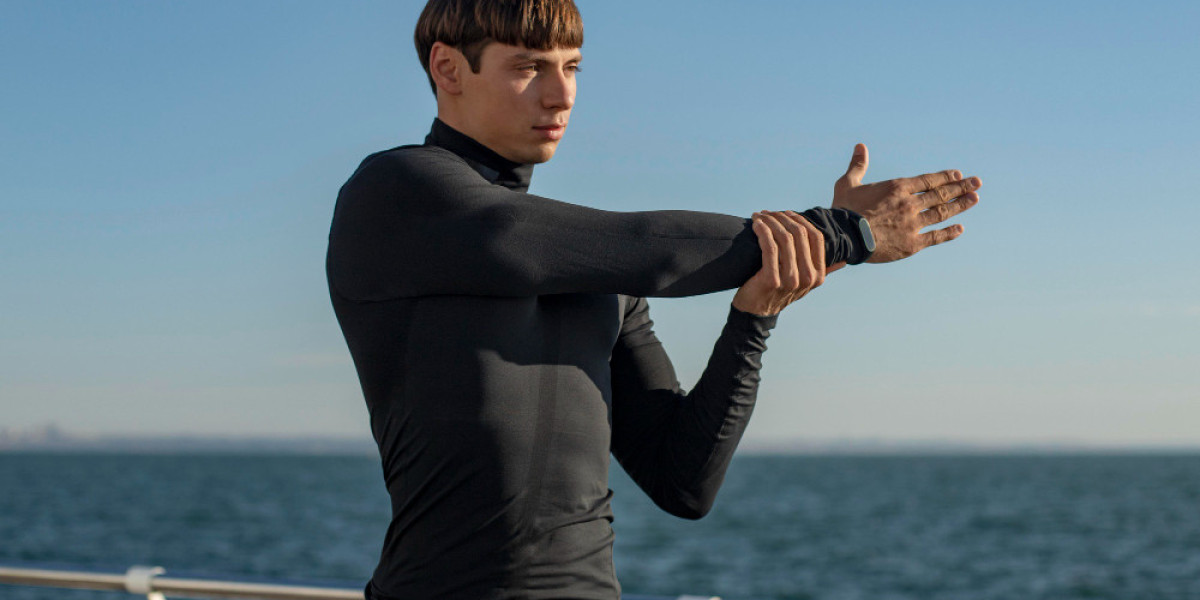
The most common complaint regarding a "rashguard long sleeve" is the loss of shape in the extremities. Because long sleeves are subject to constant stretching at the elbows and wrists, low-grade fabrics (under 180 GSM) often develop "bagging" or permanent distortion. For an athlete or a surfer, a loose sleeve creates drag and discomfort, leading to immediate product dissatisfaction. Furthermore, poor-quality elastomer blends tend to "crisp" or break down when exposed to chlorine, causing the sleeves to lose their compression properties entirely.
The Feasible Solution: High-Memory PBT Blends To solve the distortion dilemma, B2B buyers must prioritize fabric "memory" and density.
The 210 GSM Standard: Ensure your long-sleeve inventory uses a minimum weight of 210 GSM. This provides the structural integrity needed to prevent elbow bagging while maintaining a "second-skin" fit.
PBT Fiber Integration: Move away from generic spandex. Polybutylene Terephthalate (PBT) fibers are exceptionally resistant to stretching and chemical degradation. They ensure the sleeves retain their original dimensions even after hundreds of hours in salt water or heavy grappling sessions.
Four-Way Stretch Verification: Always demand a 4-way stretch certification. This ensures the tension is distributed equally across the warp and weft of the fabric, preventing localized fatigue at the joints.
Problem 2: The UPF Gap and Sun Exposure Risks
Retailers often market long-sleeve rashguards as the ultimate sun protection. However, a major pain point is the "stretch-induced" UV leak. Many fabrics claim a UPF 50+ rating when relaxed, but once the fabric is stretched over a wearer’s shoulders and arms, the knit opens up, allowing harmful radiation to pass through. This technical failure is a significant liability for B2B clients who cater to families and outdoor professionals.
The Feasible Solution: Mechanical UV Blocking The solution lies in the physical weave of the textile rather than ephemeral chemical coatings.
Denser Knit Geometry: Source rashguards that utilize a high-gauge circular knit. This ensures the "pores" of the fabric remain closed even under 80% elongation, maintaining a consistent UPF 50+ shield.
Titanium Dioxide Infusion: High-end manufacturers now infuse fibers with microscopic TiO2 particles. Unlike surface sprays, this mechanical block is permanent and cannot be washed or worn away.
Third-Party Lab Reports: Do not accept "self-certified" ratings. Require AATCC 183 testing reports for every production batch to verify that the long sleeves actually deliver the protection promised on the tag.
Problem 3: Seam Failure and Abrasive Chafing
The more fabric a garment has, the more seams it requires. In a long-sleeve design, poorly executed seams along the inner arm and torso are the primary cause of contact dermatitis and "chafing" refunds. Many bulk manufacturers use standard overlock stitching to save time, which creates a raised "ridge" that cuts into the skin during repetitive motion.
The Feasible Solution: Flatlock Engineering and Seamless Gussets The fix is a transition to premium construction techniques that prioritize the end-user's skin health:
Six-Thread Flatlock Stitching: This is non-negotiable for B2B quality. Flatlock seams lie perfectly flush against the skin, eliminating friction points and significantly increasing the garment's tensile strength.
Underarm Action Gussets: Look for designs that remove the seam from the armpit entirely. By utilizing a single diamond-shaped panel under the arm, you eliminate the most common "hot spot" for chafing.
Reinforced Cuffs: The wrist is a high-stress area. Ensure the sleeve ends are finished with a double-needle coverstitch to prevent unravelling during high-intensity use.
Conclusion
The market for the "rashguard long sleeve" is moving toward a "technical-first" mandate. By solving the core problems of fabric distortion, UV leakage, and seam abrasion through high-GSM textiles and flatlock engineering, B2B buyers can insulate their businesses against high return rates and brand de-indexing. Success in 2026 is built on the foundation of a product that survives the rigors of the water and the mat. Invest in verified technical quality today, and your ROI will be measured in long-term retail loyalty and reduced operational waste. Quality is no longer an upgrade—it is your primary survival strategy.
Ubicación del Autor
Washington D. C., Distrito de Columbia, Estados Unidos