
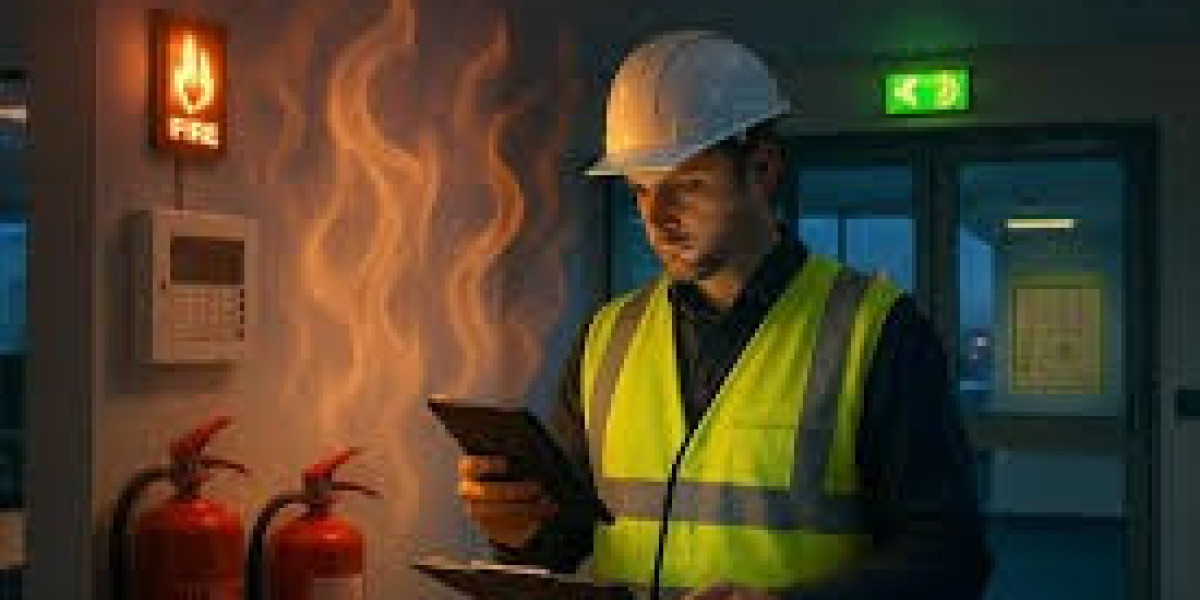

London is a city where fire safety standards are taken extremely seriously due to its dense population, high-rise buildings, and large number of commercial and residential properties. Among all passive fire protection measures, fire doors play one of the most critical roles in saving lives and limiting fire damage.
A fire door inspection ensures that these specially designed doors are working correctly, properly installed, and compliant with UK fire safety regulations. Without regular inspection, even a small defect in a fire door can lead to catastrophic consequences during a fire emergency.
What is a Fire Door Inspection?
A Fire Door Inspection in London is a detailed professional assessment of fire doors within a building to ensure they meet safety standards and function correctly in the event of a fire.
Fire doors are designed to:
- Contain fire and smoke
- Protect escape routes
- Provide safe evacuation time
- Prevent fire spread between compartments
The inspection checks whether the fire doors are capable of performing these essential functions.
Why Fire Door Inspections Are Important
Fire doors are one of the most important life-saving features in any building. In emergencies, they slow down fire spread and give people time to escape safely.
Key reasons fire door inspections are essential:
1. Life Protection
Fire doors protect occupants by controlling fire and smoke spread.
2. Legal Compliance
UK fire safety laws require regular fire door inspections.
3. Property Protection
Properly functioning fire doors reduce structural damage during fires.
4. Insurance Requirements
Many insurance policies require proof of fire door maintenance.
5. Emergency Response Support
Fire doors help firefighters control fire movement within buildings.
Legal Requirements in the UK
Fire door safety is governed by strict regulations, including:
- Regulatory Reform (Fire Safety) Order 2005
- Building Regulations Approved Document B
- British Standards BS 8214 and BS 9999
The “responsible person” (usually the building owner or manager) must ensure fire doors are:
- Properly installed
- Regularly inspected
- Properly maintained
- Fully functional at all times
Failure to comply can result in legal action, fines, or even imprisonment in serious cases.
Where Fire Doors Are Required
Fire doors are required in almost all non-domestic and shared residential buildings in London, including:
Residential Buildings
- Flats and apartments
- HMOs (Houses in Multiple Occupation)
- Student accommodations
Commercial Buildings
- Offices
- Retail shops
- Warehouses
Public Buildings
- Schools
- Hospitals
- Hotels
- Theatres
Industrial Sites
- Factories
- Storage facilities
- Manufacturing units
Components of a Fire Door
A fire door is not just a standard door; it is a complete safety system made of several important components.
Door Leaf
A fire-resistant panel designed to withstand high temperatures.
Door Frame
Specially built to support fire resistance.
Intumescent Strips
These expand when exposed to heat to block smoke and fire.
Smoke Seals
Prevent smoke leakage through gaps.
Fire-Rated Hinges
Heavy-duty hinges designed for high-temperature resistance.
Self-Closing Device
Ensures the door automatically closes after being opened.
Fire Door Inspection Process
A professional fire door inspection includes a detailed step-by-step assessment:
1. Visual Examination
Inspectors check for visible damage, wear, or incorrect installation.
2. Gap Measurement
Gaps between the door and frame are measured to ensure compliance standards are met.
3. Seal Inspection
Intumescent and smoke seals are checked for damage or missing sections.
4. Hardware Testing
Handles, hinges, locks, and closers are tested for proper operation.
5. Closing Function Test
The door must fully close without obstruction or manual assistance.
6. Compliance Reporting
A detailed report is issued with findings and recommended repairs.
Common Fire Door Defects
Fire doors often fail inspections due to preventable issues such as:
- Damaged or missing intumescent seals
- Excessive gaps around the door
- Faulty self-closing devices
- Broken hinges or hardware
- Warped door panels
- Propped open fire doors
- Poor installation or incorrect fitting
Even minor defects can make a fire door ineffective in an emergency.
Fire Door Inspection Frequency
Regular inspections are essential for ongoing safety compliance.
Recommended schedule:
- Monthly visual checks (basic checks by building staff)
- Annual professional fire door inspection
- Immediate checks after repairs or renovations
High-risk buildings may require more frequent inspections.
Responsibilities of Building Owners
In fire safety law, the “responsible person” has legal duties to maintain fire door safety.
These include:
- Arranging regular inspections
- Ensuring repairs are completed promptly
- Maintaining inspection records
- Training staff on fire door importance
- Preventing misuse of fire doors
Failure to meet these responsibilities can result in enforcement action.
Benefits of Fire Door Inspections
Regular fire door inspections offer multiple advantages:
1. Enhanced Safety
Ensures safe evacuation during emergencies.
2. Legal Compliance
Meets UK fire safety regulations.
3. Fire Containment
Reduces fire spread within buildings.
4. Insurance Compliance
Helps maintain valid insurance coverage.
5. Reduced Risk
Minimizes damage and protects property.
Fire Door Maintenance Tips
Proper maintenance helps extend fire door effectiveness:
- Never wedge fire doors open
- Keep seals clean and intact
- Report damage immediately
- Avoid painting over seals
- Ensure door closers function properly
- Schedule regular inspections
Simple maintenance can significantly improve safety performance.
Choosing Fire Door Inspection Services in London
When selecting a service provider in London, consider:
- Certified fire safety professionals
- Experience with UK fire regulations
- Detailed inspection reporting
- Fast repair recommendations
- Strong customer feedback
- Maintenance support options
A qualified provider ensures accurate inspections and compliance assurance.
Future of Fire Door Safety
Fire safety technology is evolving rapidly, and fire doors are becoming more advanced. Modern systems include:
- Smart monitoring sensors
- Automatic door closing systems
- Advanced fire-resistant materials
- Digital compliance tracking
These innovations improve safety and simplify maintenance processes.
FAQs
What is a fire door inspection?
It is a professional check to ensure fire doors are correctly installed and fully functional.
Why are fire door inspections important?
They ensure fire and smoke are contained, protecting lives and property.
Are fire door inspections mandatory in London?
Yes, they are required under UK fire safety laws in London.
How often should fire doors be inspected?
At least once a year by professionals, plus monthly basic checks.
What happens if a fire door fails inspection?
It must be repaired or replaced immediately to ensure compliance.
Who is responsible for fire door safety?
The building owner or designated responsible person is legally responsible.
Can a fire door be left open?
No, unless it has an approved automatic release system.
How much does a fire door inspection cost?
Cost depends on building size, number of doors, and inspection complexity.