

Pet surgery. Just hearing those words can make your stomach drop a little, right? Whether it’s something routine or more serious, it never feels “casual.” And if you’ve ever walked into a Virginia Beach veterinary hospital for a surgical consult, you probably remember that mix of emotions worry, confusion, a dozen questions running through your head all at once.
Totally normal, by the way.
The good news? Once you understand what actually happens before, during, and after surgery, it all feels a bit less overwhelming. Not easy but manageable.
If your pet needs any care ✆ : (757) 355-5694
Before Surgery: Preparing Your Pet
Let’s start with before the surgery, because this part is more important than people think.
Usually, there’s a pre-surgical exam. Your vet checks your pet’s overall health heart, lungs, weight, maybe some blood work. This isn’t just a formality. It helps make sure your pet can safely handle anesthesia. If something seems off, they might adjust the plan or delay the procedure. It’s all about reducing risk.
You’ll also get instructions things like fasting (no food for several hours before surgery), limiting water at certain times, and keeping your pet calm. Sounds simple, but yeah… not always easy. Especially when your dog gives you that “why aren’t you feeding me?” look at 6 a.m.
The Day of Surgery: What to Expect
Then comes the actual day.
Dropping your pet off can feel… weirdly emotional. Even if it’s a minor procedure. You hand them over, they look back at you, and suddenly you’re second-guessing everything. But behind the scenes, there’s a very structured process happening.
During Surgery: What Happens Behind the Scenes
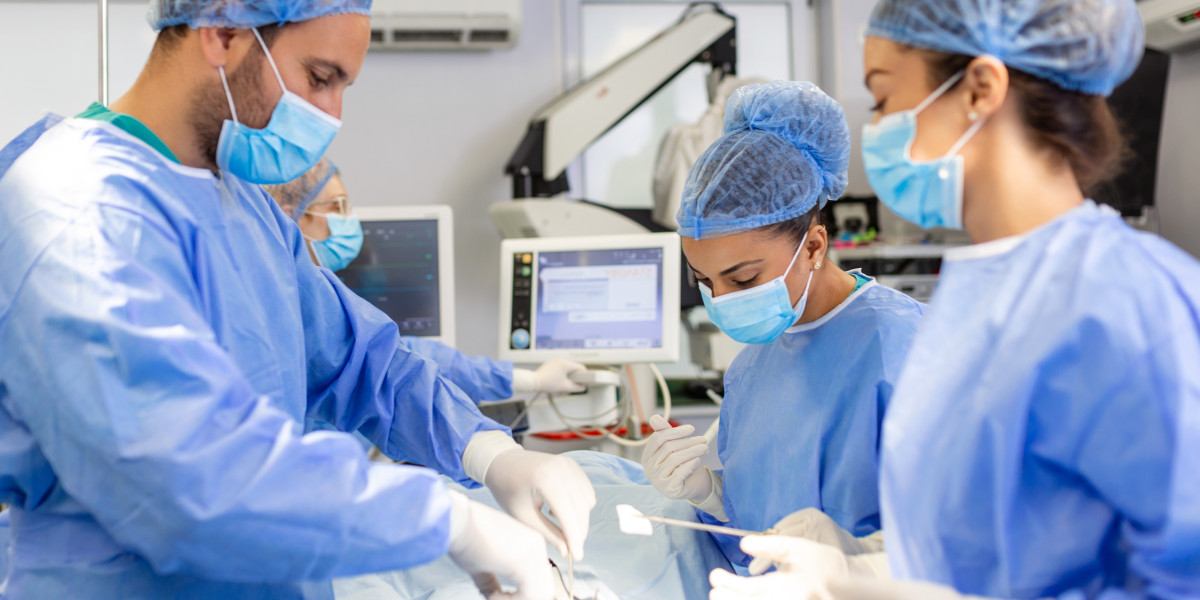
During surgery, your pet is placed under anesthesia so they don’t feel pain. Their vital signs heart rate, breathing, oxygen levels are closely monitored the entire time. This isn’t a “set it and forget it” situation. There’s constant attention, adjustments, and care.
The procedure itself depends on what’s being done, of course. It could be something routine like a spay/neuter, or more complex like tumor removal or orthopedic surgery. Either way, the goal is the same do what’s needed as safely and efficiently as possible.
This is where trust really comes in. Knowing that the team at a Virginia Beach vet hospital is trained to handle these situations makes a difference. You’re not there watching every step, but your pet isn’t alone—they’re being monitored the whole time.
After Surgery: Recovery and Care
Now let’s talk about after surgery, because honestly, this is where most of the responsibility shifts back to you.
When you pick your pet up, they might still be a bit groggy. Anesthesia can take time to wear off, so don’t be surprised if they seem sleepy, unsteady, or just… not themselves. It’s temporary, but it can feel a little unsettling if you’re not expecting it.
You’ll usually get post-op instructions medications, feeding guidelines, activity restrictions. And yeah, this part requires some discipline. Keeping a normally active dog calm for days? Not exactly easy. Same with stopping a cat from jumping on everything. But it’s important. Healing needs time.
Monitoring Healing at Home
There might also be stitches or a surgical site to monitor. Redness, swelling, discharge these are things to watch for. A little bit is normal, but anything excessive should be checked. And then there’s the cone. The infamous cone. Not your pet’s favorite thing… but it does its job.
Pain Management After Surgery
Pain management is another key part. Your vet will usually prescribe medication to keep your pet comfortable. And this matters more than people realize pain can slow healing and affect behavior. Keeping your pet comfortable helps everything else go smoother.
Emotional Recovery for You and Your Pet
Emotionally, this phase can be a bit of a rollercoaster too. You’re watching closely, maybe worrying more than usual, checking on them every few minutes. Totally understandable. But over time, you’ll start seeing small improvements more energy, better appetite, a return to normal behavior.
And that’s the part you hold onto.
Follow-Up Care and Checkups
Follow-up visits are usually scheduled to check healing and remove stitches if needed. Don’t skip these. Even if everything seems fine, it’s good to have a professional confirm it.
Final Thoughts
At the end of the day, surgery is never something you take lightly. But it’s also not something to fear blindly. It’s a process with steps, precautions, and a clear goal: helping your pet live a healthier, more comfortable life.
And once you’ve been through it… it feels a little less scary the next time.
FAQs
1. Is anesthesia safe for pets?
Yes, especially with modern monitoring and pre-surgical testing. Risks are minimized with proper care.
2. How long does it take for a pet to recover from surgery?
It depends on the procedure, but most pets start feeling better within a few days, with full recovery in a couple of weeks.
3. Why does my pet need to fast before surgery?
Fasting reduces the risk of complications during anesthesia, such as vomiting.
4. What should I do if my pet won’t stay calm after surgery?
Follow your vet’s advice—use confined spaces, limit activity, and monitor closely to prevent injury.
5. When should I call the vet after surgery?
If you notice excessive swelling, bleeding, discharge, loss of appetite, or unusual behavior, contact your vet immediately.