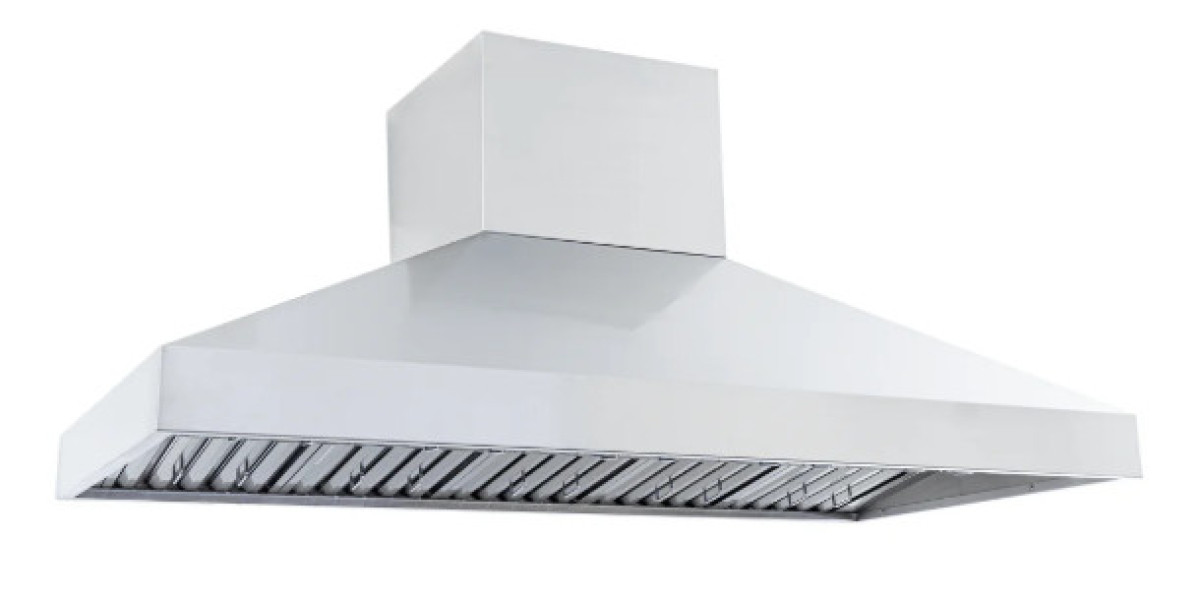

When you have a large range or a professional-style cooktop, standard ventilation simply does not cut it. Wide cooking surfaces generate more heat, more grease, and more smoke than a compact hood can handle effectively. That is where a 60-inch exhaust hood becomes not just a convenience but a necessity. Designed to cover expansive cooktops and deliver powerful airflow, a 60-inch range hood is the gold standard for serious home chefs and large kitchens alike.
Why Kitchen Size and Hood Size Must Match
One of the most common ventilation mistakes homeowners make is pairing a large range with an undersized hood. The general rule in the industry is that your range hood should be at least as wide as your cooktop, and ideally a few inches wider on each side for maximum capture efficiency. For a 60-inch range or cooktop, a 60-inch exhaust hood ensures that smoke, grease, steam, and odors are captured right at the source before they spread across your kitchen.
Who Should Consider a 60-Inch Exhaust Hood?
A 60-inch range hood is not just for restaurant-style kitchens. It is an ideal fit for any homeowner who has a wide cooking surface, cooks frequently, or prioritizes both function and design. Open-concept kitchens especially benefit from a larger hood because cooking odors and smoke have more open space to travel through, making powerful ventilation even more critical.
Professional-style gas ranges with six or more burners, dual-fuel ranges, and commercial cooktops all pair naturally with a 60-inch exhaust hood. If entertaining is a regular part of your lifestyle and your kitchen sees heavy use, this size offers the coverage and airflow you need.
Key Features to Evaluate in a 60 Exhaust Hood
CFM Rating and Airflow Power
CFM, or cubic feet per minute, is the most important performance metric for any range hood. For a 60-inch hood, you should look for a CFM rating between 600 and 1,200 or higher, depending on your cooking habits and the type of range you use. Gas ranges require more ventilation than electric cooktops, and frequent high-heat cooking demands higher CFM capacity. A hood that is underpowered for your range will struggle to keep up during intense cooking sessions.
Noise Levels and Fan Speed Options
Larger hoods move more air, which can sometimes mean more noise. However, many modern 60-inch hoods are engineered with advanced motor technology that minimizes sound without sacrificing performance. Look for hoods with multiple fan speed settings so you can dial in the right balance of airflow and noise for any cooking situation.
Ducted Ventilation vs. Ductless Recirculation
For a hood this size, ducted ventilation is strongly recommended. Ductless hoods use charcoal filters to recirculate air, but they cannot match the efficiency of a ducted system that exhausts air directly outside. When installing a 60-inch hood, ensure your ductwork is appropriately sized, typically a minimum of 6 to 8 inches in diameter, to handle the volume of air being moved without creating back pressure that reduces performance.
Filter Type and Cleaning Requirements
Baffle filters are the preferred choice for high-performance range hoods. They are durable, grease-resistant, and dishwasher safe, making maintenance far more manageable. Given the heavy-duty nature of a 60-inch hood, having easy-to-clean filters is essential for keeping your ventilation system performing at its best over time.
Conclusion
A 60-inch range hood is a powerful, practical investment for any kitchen designed around serious cooking. From matching the right CFM to choosing durable materials and planning proper installation, every detail contributes to a ventilation system that genuinely performs. At Proline Range Hoods, we design our 60-inch exhaust hoods to meet the demands of both passionate home cooks and professional-style kitchens. Our hoods combine powerful airflow, quiet operation, and premium construction so you can cook with confidence every single day.