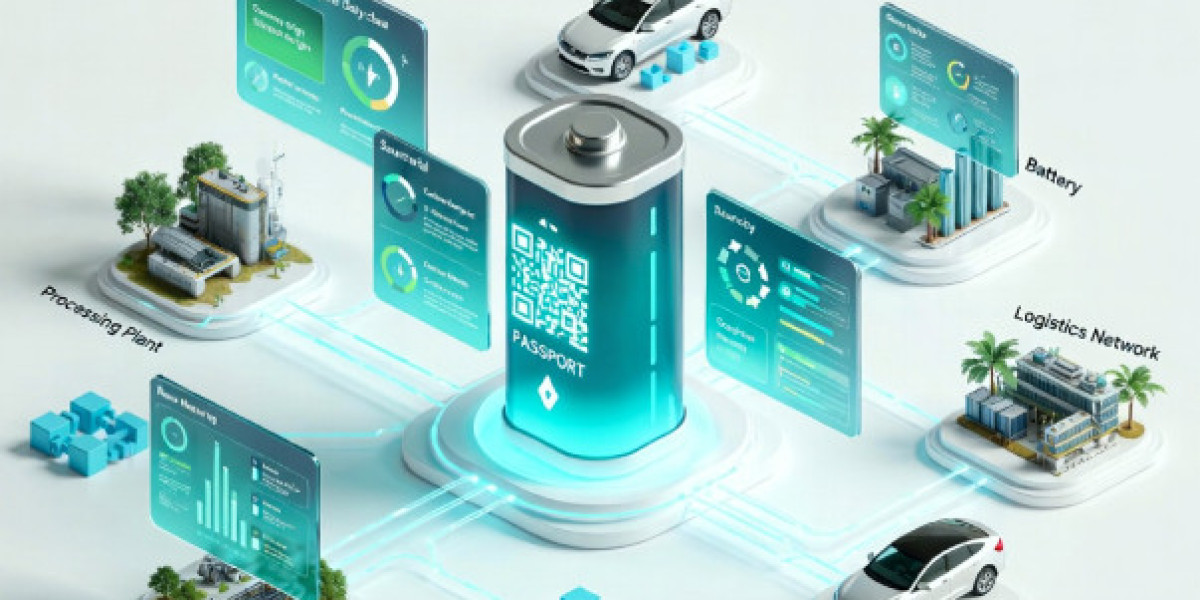

Digital battery passport solutions are transforming the global EV and battery industry by improving transparency, compliance, and real-time supply chain visibility. As electric vehicles, renewable energy storage systems, and sustainable technologies continue to grow in 2026, businesses are facing increasing pressure to track battery materials, monitor lifecycle performance, and comply with global environmental regulations.
Traditional supply chain systems often lack transparency and accurate tracking capabilities, making it difficult for manufacturers, suppliers, recyclers, and regulators to access reliable battery data. This is where advanced battery tracking technologies are becoming essential.
Modern Digital Battery Passport systems help organizations create a transparent ecosystem where every stage of the battery lifecycle can be monitored efficiently. From raw material sourcing to recycling and reuse, digital battery platforms are reshaping how companies manage battery supply chains.
The Growing Importance of Supply Chain Visibility
The modern battery ecosystem is highly complex. A single EV battery may involve multiple suppliers, manufacturers, logistics providers, and recycling facilities operating across different countries. Without proper visibility, businesses face challenges such as:
Limited transparency in raw material sourcing
Difficulty tracking battery performance
Compliance risks with international regulations
Counterfeit battery components
Inefficient recycling processes
Poor sustainability reporting
As governments introduce stricter sustainability regulations, businesses must provide detailed information about battery origin, composition, carbon footprint, and lifecycle data.
This growing demand for transparency has accelerated the adoption of Battery Traceability Solutions across industries.
What Is a Digital Battery Passport?
A Digital Battery Passport is a digital record containing critical battery-related information throughout the entire lifecycle of a battery. It acts as a centralized platform that stores, manages, and shares battery data securely.
The passport may include:
Battery manufacturer details
Raw material sourcing information
Carbon footprint data
Battery chemistry and composition
Performance history
Maintenance records
Recycling and reuse information
Compliance certifications
By providing access to verified data, battery passports improve accountability and trust throughout the supply chain.
How Digital Battery Passport Solutions Improve Visibility
Real-Time Tracking Across the Supply Chain
One of the biggest advantages of digital battery systems is real-time monitoring. Businesses can track battery movement and status from manufacturing facilities to end users and recycling centers.
Advanced Battery Traceability System technologies use IoT devices, QR codes, blockchain, and cloud platforms to ensure accurate and tamper-proof tracking.
Real-time visibility helps businesses:
Monitor inventory efficiently
Identify supply chain bottlenecks
Reduce delays and disruptions
Improve logistics planning
Enhance operational efficiency
With instant access to battery data, companies can make faster and smarter supply chain decisions.
Improved Raw Material Transparency
Battery production relies heavily on critical minerals such as lithium, cobalt, nickel, and graphite. Many organizations are under pressure to ensure these materials are ethically sourced and environmentally sustainable.
Digital battery platforms provide transparency into the origin of raw materials, helping businesses verify responsible sourcing practices.
Modern Battery Traceability Solutions enable companies to:
Track minerals from mines to production facilities
Verify supplier compliance
Reduce risks of unethical sourcing
Support sustainability initiatives
Improve ESG reporting
This transparency is especially important for companies operating in highly regulated markets.
Supporting Regulatory Compliance
Governments worldwide are introducing strict battery regulations to promote sustainability and circular economy practices. The European Union is leading this transformation through new battery regulations requiring detailed digital battery records.
Businesses must now provide accurate battery data related to:
Material sourcing
Carbon emissions
Recycling rates
Battery durability
Environmental impact
This is why Battery Passport Solutions for EU are becoming increasingly important for manufacturers and suppliers operating in European markets.
A reliable digital battery system helps organizations comply with evolving regulations while reducing administrative complexity.
Blockchain Enhances Data Security and Trust
Blockchain technology plays a critical role in modern battery tracking ecosystems. Since supply chains involve multiple stakeholders, ensuring data accuracy and authenticity is essential.
Blockchain-based Battery Passport Development Solutions create secure, decentralized records that cannot be easily altered or manipulated.
Benefits of blockchain integration include:
Tamper-proof data storage
Enhanced trust between stakeholders
Secure information sharing
Improved auditability
Reduced fraud risks
By creating transparent and verifiable records, blockchain strengthens confidence across the entire supply chain.
Better Lifecycle Management
Battery lifecycle management is becoming a major focus for EV manufacturers and sustainability organizations. Businesses need better visibility into battery health, performance, maintenance, and recycling processes.
A robust Battery Traceability System helps companies monitor batteries throughout every stage of their lifecycle, including:
Raw material extraction
Manufacturing
Distribution
Usage
Maintenance
Repurposing
Recycling
Lifecycle visibility improves operational planning while supporting sustainable battery reuse and recycling initiatives.
Enabling Circular Economy Goals
The global push toward sustainability is driving companies to adopt circular economy practices. Instead of disposing of used batteries, businesses are focusing on reuse, remanufacturing, and recycling.
Digital battery systems help organizations track battery condition and determine whether batteries can be:
Repaired
Repurposed
Recycled
Reused for energy storage
Advanced Battery Passport Platform Development enables businesses to optimize resource recovery while reducing environmental waste.
This not only supports sustainability goals but also helps businesses reduce production costs by recovering valuable materials.
Reducing Supply Chain Risks
Supply chain disruptions can significantly impact battery manufacturers and EV companies. Lack of visibility often leads to delays, inventory shortages, compliance violations, and operational inefficiencies.
Digital battery tracking platforms improve risk management by providing accurate and real-time supply chain insights.
Businesses using Battery Passport Solutions can:
Detect issues early
Improve supplier collaboration
Prevent counterfeit products
Optimize inventory planning
Reduce operational uncertainty
Improved visibility helps organizations build more resilient and efficient supply chains.
Data-Driven Decision Making
Modern supply chains generate massive amounts of data. However, businesses often struggle to transform this data into actionable insights.
Digital battery systems use analytics, AI, and cloud technologies to provide valuable supply chain intelligence.
With advanced reporting capabilities, companies can:
Monitor battery performance trends
Predict maintenance needs
Analyze supplier performance
Improve sustainability reporting
Optimize logistics operations
These insights help businesses improve operational efficiency and strategic planning.
Enhancing Consumer Trust
Consumers are becoming more environmentally conscious and want greater transparency about the products they use. EV buyers increasingly want to know:
Where battery materials come from
Whether batteries are ethically sourced
How sustainable the manufacturing process is
Whether batteries can be recycled responsibly
A transparent Digital Battery Passport helps companies demonstrate accountability and sustainability commitments.
Providing verified battery data enhances brand reputation and builds stronger customer trust.
The Role of AI and IoT in Battery Traceability
Artificial Intelligence and IoT technologies are transforming how battery data is collected and analyzed.
IoT sensors can monitor:
Temperature
Battery performance
Charging cycles
Energy efficiency
Maintenance requirements
AI-powered analytics can predict:
Battery degradation
Potential failures
Maintenance schedules
Recycling opportunities
Combining AI, IoT, and cloud infrastructure with Battery Passport Development Solutions creates smarter and more efficient battery ecosystems.
Why Businesses Are Investing in Battery Passport Platforms
In 2026, businesses recognize that digital traceability is no longer optional. Companies investing in advanced battery tracking platforms gain significant advantages, including:
Regulatory compliance
Better operational efficiency
Stronger sustainability reporting
Improved supplier accountability
Enhanced customer trust
Reduced supply chain risks
Organizations that fail to implement transparent battery systems may struggle to compete in increasingly regulated markets.
Future of Digital Battery Passport Technology
The future of battery management will depend heavily on intelligent digital ecosystems. As EV adoption continues to grow globally, supply chain transparency will become even more important.
Future innovations in Battery Passport Platform Development may include:
AI-powered lifecycle prediction
Automated carbon footprint tracking
Smart recycling recommendations
Advanced blockchain integrations
Real-time global compliance monitoring
Businesses that adopt these technologies early will be better positioned for long-term growth and sustainability leadership.
Final Thoughts
Digital battery technologies are revolutionizing how companies manage supply chains in the EV and energy storage industries. By improving transparency, traceability, compliance, and lifecycle management, modern Battery Passport Solutions help organizations build more efficient and sustainable operations.
A powerful Digital Battery Passport system enables real-time visibility across every stage of the battery lifecycle while supporting regulatory compliance and circular economy goals. From ethical material sourcing to intelligent recycling processes, advanced Battery Traceability Solutions are becoming essential for modern businesses.
As global regulations continue to evolve, companies investing in innovative Battery Passport Development Solutions and scalable Battery Passport Solutions for EU will gain a significant competitive advantage in the rapidly growing clean energy economy.