
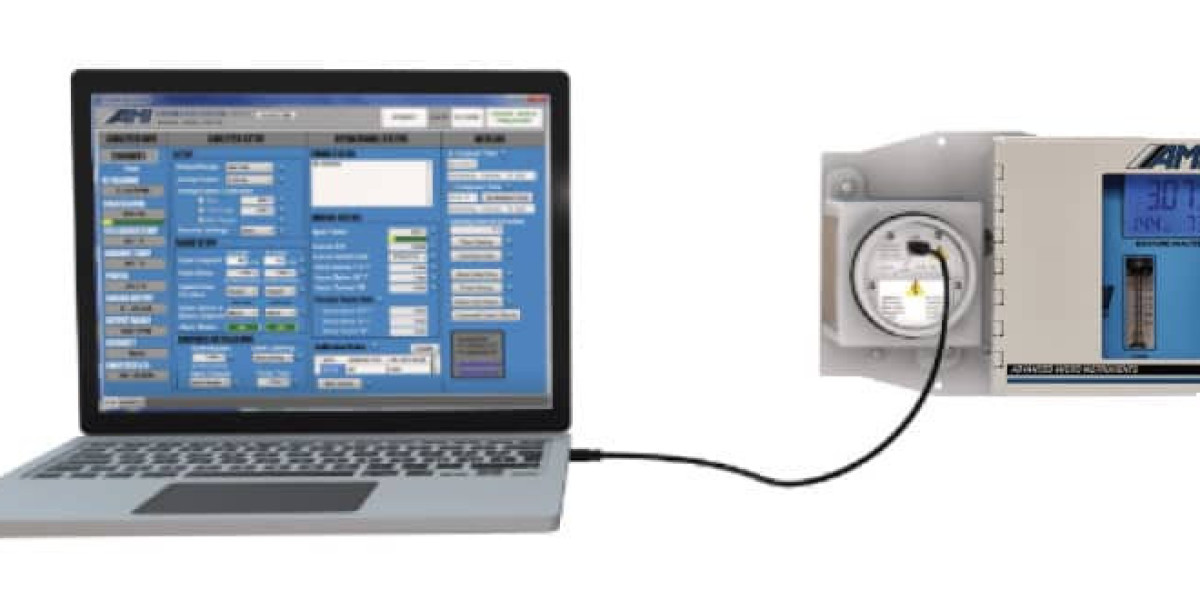

In industries where gas purity and environmental control are essential, even a tiny amount of moisture can create significant problems. Water vapor contamination may lead to corrosion, product defects, equipment damage, and reduced process efficiency. This is why a trace moisture analyzer has become one of the most important instruments for accurate industrial moisture measurement.
A trace moisture analyzer is specifically designed to detect extremely low levels of water vapor in gases and compressed air systems. These instruments measure moisture in parts per million (ppm), parts per billion (ppb), or dew point temperature, providing highly accurate readings for critical applications. Industries such as pharmaceuticals, petrochemicals, semiconductor manufacturing, natural gas processing, and power generation rely on these analyzers to maintain strict quality standards.
By continuously monitoring moisture levels, a trace moisture analyzer helps prevent costly downtime, improves product consistency, and protects sensitive equipment. This article explains how trace moisture analyzers work, their key benefits, industrial applications, and why the “dew-point” brand is trusted worldwide for advanced moisture measurement solutions.
What Is a Trace Moisture Analyzer?
A trace moisture analyzer is a precision instrument used to measure extremely small amounts of water vapor in gases. Unlike ordinary humidity meters, these devices are engineered for ultra-low moisture detection where even minute changes can affect system performance.
Trace moisture analyzers commonly display results in:
Parts per million (ppm)
Parts per billion (ppb)
Dew point temperature (°C or °F)
These measurements allow operators to monitor gas dryness and ensure process reliability.
Why Trace Moisture Measurement Matters
Moisture contamination can negatively impact industrial operations in many ways.
Corrosion Prevention
Water vapor accelerates corrosion in pipelines, valves, and process equipment.
Product Quality Protection
In pharmaceutical and semiconductor manufacturing, even tiny moisture levels can compromise product integrity.
Operational Efficiency
Dry gases improve the performance of compressed air systems and production equipment.
Regulatory Compliance
Accurate moisture monitoring helps companies meet strict industry and safety standards.
How a Trace Moisture Analyzer Works
A trace moisture analyzer uses advanced sensor technology to detect water molecules in gas streams. The sensor converts the moisture level into an electronic signal that is displayed and transmitted to control systems.
Aluminum Oxide Sensors
These sensors are widely used because they offer excellent sensitivity, fast response, and long-term stability.
Quartz Crystal Microbalance Sensors
These provide highly accurate measurements and are commonly used in laboratories and research environments.
Chilled Mirror Technology
This method determines the dew point by cooling a mirror until condensation forms.
Capacitive Sensors
Reliable and cost-effective, capacitive sensors are suitable for continuous industrial monitoring.
Key Features of a Trace Moisture Analyzer
Modern trace moisture analyzers include advanced features that enhance usability and accuracy.
Ultra-Low Detection Limits
Many instruments can measure moisture levels down to parts per billion.
Real-Time Monitoring
Continuous analysis provides immediate alerts when moisture levels change.
Wide Measurement Range
Analyzers can measure from extremely dry gases to moderate humidity conditions.
Digital Outputs
Analog and digital communication options allow easy integration with automation systems.
Portable and Fixed Configurations
Portable units are ideal for field testing, while fixed analyzers provide permanent online monitoring.
Industries That Use Trace Moisture Analyzers
Trace moisture analyzers are essential in numerous industries.
Natural Gas Processing
Monitoring moisture prevents hydrate formation and pipeline corrosion.
Pharmaceutical Manufacturing
Precise moisture control ensures product stability and regulatory compliance.
Semiconductor Production
Ultra-dry environments are critical for defect-free electronic components.
Compressed Air Systems
Dry air improves equipment performance and reduces maintenance.
Power Generation
Moisture monitoring protects hydrogen-cooled generators.
Food Packaging
Dry gases help preserve product freshness and extend shelf life.
Benefits of Using a Trace Moisture Analyzer
Using a trace moisture analyzer offers several operational advantages.
Protects Equipment
Early moisture detection prevents corrosion and mechanical failure.
Improves Product Consistency
Stable moisture levels support reliable manufacturing outcomes.
Reduces Downtime
Continuous monitoring allows problems to be identified before they become serious.
Lowers Maintenance Costs
Preventing moisture damage reduces repair and replacement expenses.
Enhances Process Control
Operators can optimize drying systems and energy use.
Understanding Dew Point in Moisture Analysis
Dew point is a common method for expressing trace moisture levels. It represents the temperature at which water vapor condenses into liquid.
genui{"math_block_widget_always_prefetch_v2":{"content":"PV = nRT"}}
A lower dew point indicates drier gas. For example, a dew point of -80°C corresponds to extremely low moisture content, suitable for high-purity industrial applications.
Why Choose the “dew-point” Trace Moisture Analyzer
The “dew-point” brand is recognized globally for reliable and innovative moisture measurement instruments.
High Accuracy
Precise measurements ensure dependable results in critical applications.
Advanced Sensor Technology
Fast response and long-term stability improve operational confidence.
Industrial-Grade Design
Robust construction ensures durability in demanding environments.
Flexible Integration
Multiple output options simplify installation into existing systems.
Expert Technical Support
Customers receive calibration services and professional assistance worldwide.
How to Select the Right Trace Moisture Analyzer
When choosing a trace moisture analyzer, consider:
Measurement range
Required accuracy
Gas composition
Operating conditions
Portability requirements
Calibration intervals
Communication options
Selecting the right analyzer ensures reliable performance and long-term value.
Maintenance and Calibration Best Practices
Proper maintenance preserves instrument accuracy.
Routine Calibration
Follow manufacturer recommendations for scheduled calibration.
Sensor Inspection
Check for contamination or aging.
Sample System Cleaning
Maintain filters and tubing to ensure representative gas samples.
Performance Verification
Compare readings with reference standards when necessary.
Conclusion
A trace moisture analyzer is a critical instrument for industries that require precise control of gas dryness and ultra-low moisture levels. By detecting minute quantities of water vapor, these analyzers protect equipment, improve product quality, and ensure compliance with stringent standards.
Whether used in natural gas processing, pharmaceuticals, semiconductors, or compressed air systems, a high-quality trace moisture analyzer delivers dependable results and valuable process insights. Trusted solutions from the “dew-point” brand provide the advanced technology and reliability needed for today's most demanding industrial applications.
Ubicación del Autor
Morocco














