
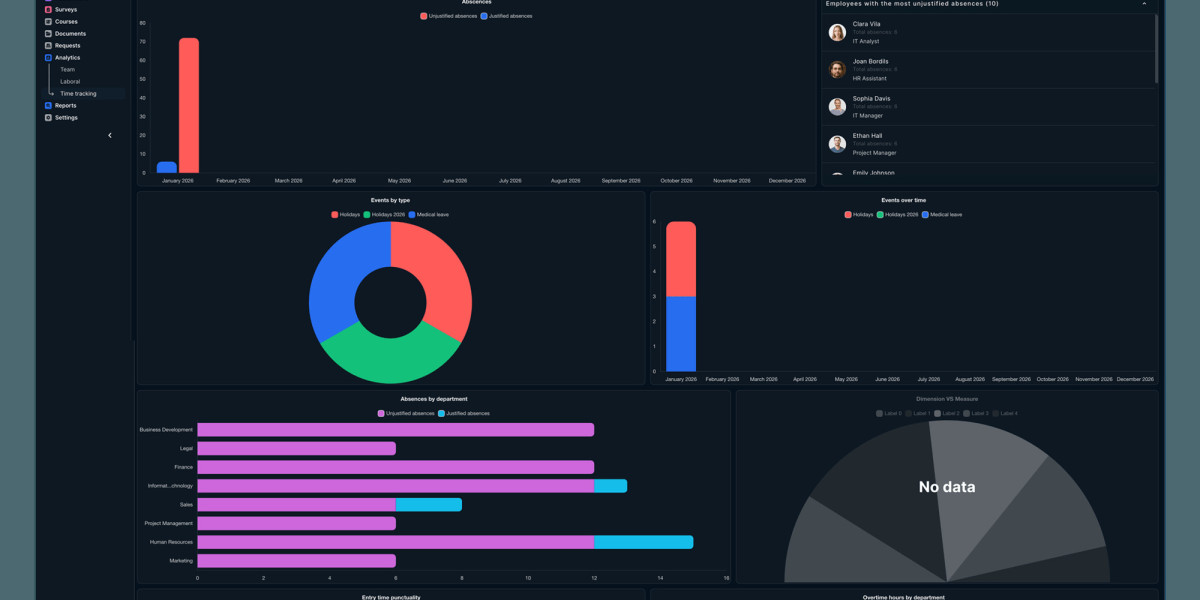

B2B Platform That Simplifies Enterprise Systems
A strange thing is happening inside enterprise companies right now.
Teams are quietly abandoning “perfect systems.”
Not because the software is bad.
Because nobody wants to spend six months configuring workflows just to approve a request or update customer data anymore.
The enterprise world used to admire complexity.
Now it’s starting to resent it.
A few years ago, companies loved saying things like:
“We have a highly customized enterprise stack.”
Today?
That same sentence sounds expensive.
And exhausting.
The reality is that most enterprise teams are tired.
Not tired of work.
Tired of operating around software that feels heavier every year.
Open one dashboard.
Then another.
Then another just to confirm the first one was accurate.
At some point, the software starts becoming the work itself.
That’s the shift a lot of executives are finally noticing.
The New Competitive Advantage Isn’t More Software
It’s operational clarity.
The companies moving faster right now are not necessarily using more advanced systems.
In many cases, they’re using fewer systems altogether.
Fewer handoffs.
Fewer internal dependencies.
Fewer moments where someone says:
“Wait… which platform owns this process?”
That question alone quietly destroys productivity inside enterprise teams.
Why Traditional Enterprise Software Feels So Slow Now
The old enterprise model was built around specialization.
One platform for CRM.
Another for operations.
Another for reporting.
Another for automation.
Then businesses added a B2B integration platform to force everything to communicate.
For years, this was considered “enterprise architecture.”
Now it often feels like digital duct tape.
The problem is not that integrations are bad.
The problem is that every integration creates another relationship the business has to maintain.
And eventually companies realize something uncomfortable:
They are spending more time maintaining systems than improving operations.
The Rise of Operational Platforms
This is why modern B2B solutions are shifting toward operational platforms instead of isolated tools.
Not “software suites.”
Operational environments.
There’s a difference.
An operational platform doesn’t just store information.
It becomes the place where:
workflows happen,
approvals move,
automation runs,
teams coordinate in real time.
That changes how businesses scale.
CRM Workflow Automation Is Becoming Invisible
The best automation systems today are the ones employees barely notice.
Nobody celebrates automation anymore.
They expect it.
Good CRM workflow automation now feels like electricity:
If people notice it constantly, something is probably wrong.
The expectation has changed from:
“Can this automate tasks?”
to:
“Can this remove operational friction without creating more complexity?”
That’s a much harder problem to solve.
Why Low-Code Suddenly Matters to Enterprises
Five years ago, many enterprises dismissed low-code systems as lightweight tools.
Now the conversation is changing fast.
Because companies are realizing they cannot rebuild infrastructure every time operations evolve.
A low code application development platform allows enterprise teams to adjust workflows as quickly as the business changes.
And honestly that flexibility matters more now than feature overload.
Where Airtool Fits Into This New Direction
Platforms like Airtool reflect this broader shift away from fragmented enterprise stacks.
What makes a
low code application development platform
What is interesting in this environment is not just speed.
It’s operational consolidation.
Instead of layering:
CRM systems,
automation tools,
workflow software,
reporting layers,
integration management
across disconnected environments
teams can build operational workflows inside one structure.
And over time, the business starts feeling operationally lighter.
Not simpler in theory.
Simpler in practice.
The Enterprise Teams Scaling Best Right Now
Ironically, many fast-moving enterprise teams are not trying to build “bigger systems” anymore.
They’re trying to reduce operational noise.
Less software chaos.
Less workflow confusion.
Less internal friction between departments.
Because once operational drag disappears, growth feels very different.
The company moves cleaner.
Faster.
Calmer.
Final Thoughts
The future of enterprise software probably won’t belong to the companies with the most tools.
It’ll belong to the companies whose systems create the least resistance.
And that’s why the idea of a modern B2B platform is changing.
It’s no longer just about technology.
It’s about making enterprise operations feel manageable again.