
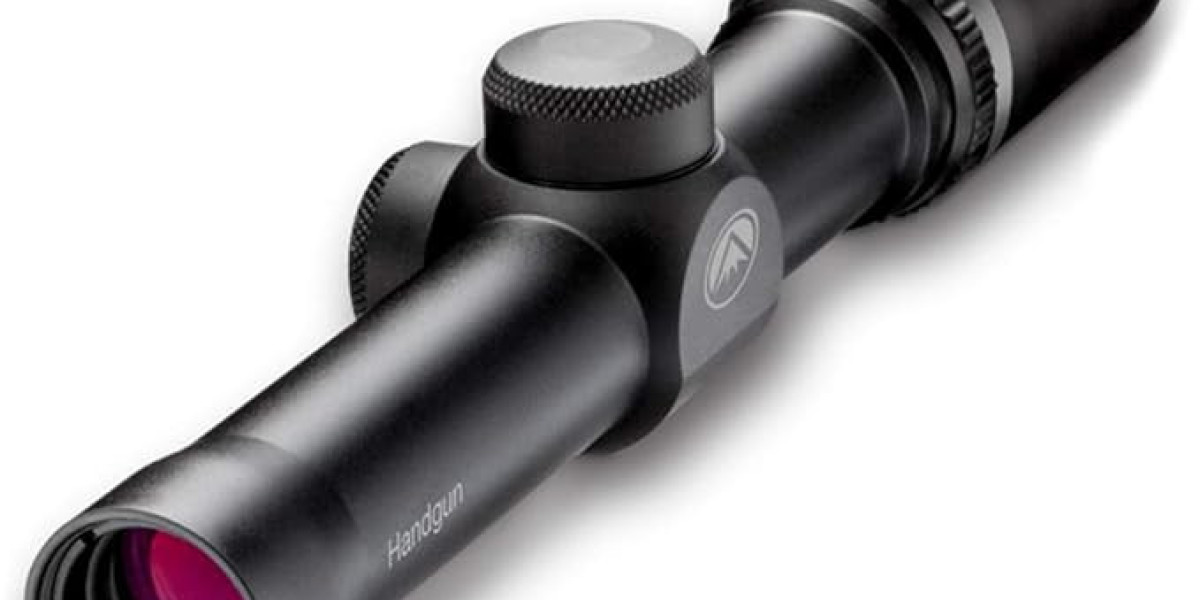

Modern optical targeting systems are expected to deliver fast aiming speed, stable accuracy, and reliable performance under different environmental conditions. However, many users and industries still face problems such as weak visibility, battery inconsistency, optical misalignment, and poor durability in red dot sight systems. These issues directly affect targeting efficiency and reduce operational confidence in professional applications.
A Red Dot Sight is one of the most widely used optical aiming systems in tactical optics, sport shooting, law enforcement, and outdoor observation equipment. It works by projecting a small illuminated dot onto a lens, allowing users to aim quickly without aligning traditional iron sights. While this technology improves speed and usability, many manufacturers still struggle with issues related to brightness control, battery life, and structural stability. Understanding these challenges is essential for businesses aiming to improve optical performance, reduce failure rates, and meet modern market expectations.
Why Red Dot Sight Technology Matters
A Red Dot Sight is an optical aiming device that uses LED projection to display a red or green dot onto a reflective lens.
This allows users to keep both eyes open while aiming, improving situational awareness and reaction speed.
Unlike traditional iron sights or magnified scopes, red dot systems are designed for fast target acquisition at short to medium ranges.
These systems are widely used in defense optics, law enforcement equipment, competitive shooting platforms, and outdoor tactical tools.
Because of their simplicity and speed, red dot sights have become a standard component in modern optical targeting systems.
Common Problems Businesses Face With Red Dot Sight Systems
Battery Reliability Issues
One of the most common challenges in red dot sight systems is inconsistent battery performance.
Weak battery design or poor power optimization can cause sudden shutdowns during critical operations.
This reduces reliability and creates operational risks in field environments.
Manufacturers are now focusing on energy-efficient circuits and automatic power-saving features.
Poor Brightness Adjustment
Many red dot sights struggle to maintain proper brightness levels across different lighting conditions.
Excess brightness can cause glare in low-light environments, while low brightness reduces visibility in daylight.
Adaptive brightness control systems are required for stable performance.
Optical Parallax Errors
Some low-quality red dot sights suffer from parallax shift, where the dot does not align correctly with the target from different viewing angles.
This affects accuracy and reduces shooting consistency.
Advanced optical calibration helps minimize parallax issues.
Durability and Shock Resistance Problems
Red dot sights are often used in high-impact environments, including recoil-heavy firearms and outdoor tactical conditions.
Weak structural design can lead to misalignment or internal damage.
High-strength housing materials improve long-term durability and performance stability.
How Advanced Red Dot Sight Technology Solves These Problems
Energy-Efficient Electronics
Modern red dot sights use low-power LED systems and optimized circuitry to extend battery life.
This ensures consistent performance during long operational periods.
Adaptive Brightness Technology
Advanced systems automatically adjust brightness based on surrounding light conditions.
This improves visibility and reduces user eye strain.
Parallax-Free Optical Design
High-quality red dot sights use improved lens calibration to reduce or eliminate parallax errors.
This improves targeting accuracy across different viewing angles.
Shock-Resistant Construction
Manufacturers now use reinforced aluminum alloys and rugged internal designs.
This ensures stability under recoil, vibration, and environmental stress.
Industries Benefiting From Red Dot Sight Technology
Tactical and Defense Applications
Military and defense forces use red dot sights for fast response and close-range targeting accuracy.
Law Enforcement Equipment
Police and security units rely on red dot systems for rapid engagement and situational awareness.
Sport Shooting Industry
Competitive shooters use red dot sights to improve speed and accuracy in dynamic shooting events.
Outdoor and Hunting Applications
Hunters and outdoor users depend on red dot sights for fast target acquisition in varying environmental conditions.
Mistakes Businesses Should Avoid When Choosing Red Dot Sight Systems
Ignoring Battery Optimization
Low-quality systems often fail due to poor battery management, leading to sudden power loss.
Reliable energy design is essential for field performance.
Overlooking Brightness Control
Systems without adaptive brightness often fail in real-world lighting conditions.
Balanced brightness control is critical for usability.
Choosing Weak Housing Materials
Poor structural strength reduces durability and increases failure risk under recoil or impact.
Strong materials improve reliability.
Working With Unverified Suppliers
Reliable manufacturers provide testing data, durability certification, and optical calibration reports.
Poor supplier selection may lead to inconsistent product quality.
Future Trends in Red Dot Sight Technology
The optical targeting industry is evolving toward smarter, lighter, and more energy-efficient systems.
Manufacturers are integrating AI-assisted brightness control, improved LED efficiency, and compact optical designs.
Digital optics, smart sensor integration, and enhanced environmental adaptation are becoming key trends in modern targeting systems.
Future red dot sights will focus on improving battery life, reducing parallax, and enhancing durability for extreme environments.
As demand for precision optics continues to grow, red dot sight technology will remain essential in both professional and consumer markets.
Conclusion
Red dot sight systems face challenges such as battery inconsistency, brightness imbalance, parallax errors, and durability limitations. These issues reduce accuracy and affect performance in demanding environments.
Advanced red dot sight technology solves these problems through energy-efficient electronics, adaptive brightness control, shock-resistant construction, and precision optical design. Industries including defense, law enforcement, sport shooting, and outdoor applications rely heavily on these systems for fast and accurate targeting.
Businesses that focus on optical precision, durability, power efficiency, and supplier reliability can significantly improve product performance and maintain strong competitiveness in the evolving optical targeting industry.