
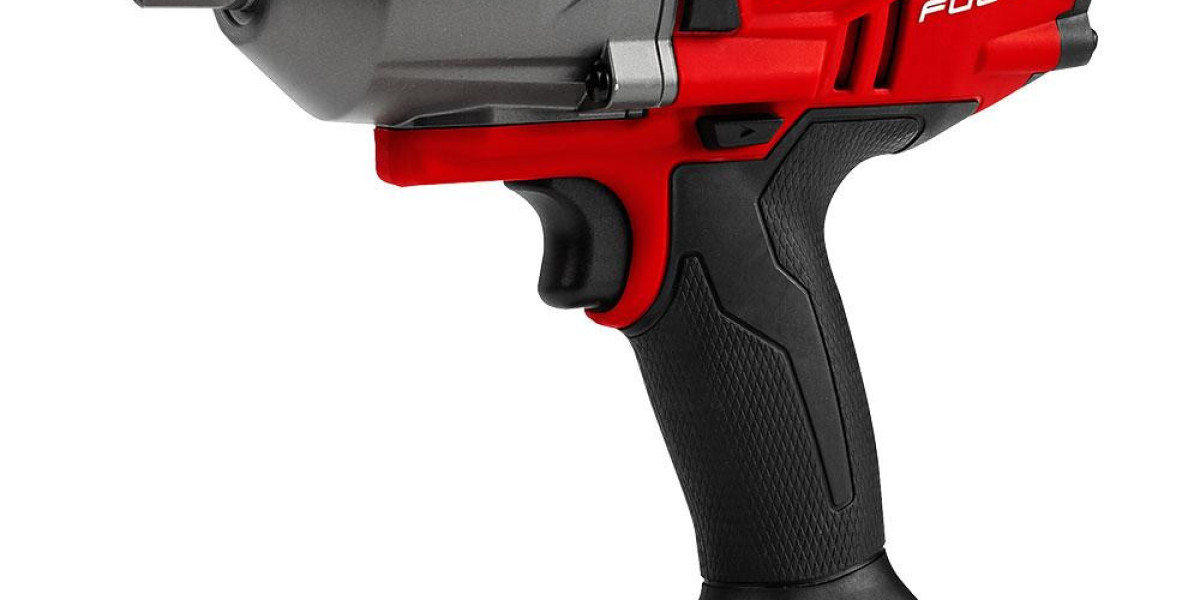

Cutting tools are essential for both professionals and DIY enthusiasts. Whether you're working on home renovations, construction tasks, or simple repairs, a reliable cutting tool can make all the difference. However, like any piece of equipment, its performance depends heavily on how well it is maintained. Proper care not only extends the lifespan of your tool but also ensures consistent efficiency, safety, and precision.
Understanding how to maintain your cutting tool isn’t complicated, but it does require consistency and attention to detail. With a few practical habits, you can keep your tool in excellent condition for years.
Keep Your Tool Clean After Every Use
One of the simplest yet most overlooked steps in maintenance is cleaning. Dust, debris, and material residue can accumulate quickly, especially when cutting wood, metal, or plastic. If left unchecked, this buildup can affect the tool’s performance and even damage internal components.
After each use, wipe down the exterior with a dry or slightly damp cloth. For tougher residue, a soft brush can help remove particles from tight areas. Pay close attention to vents, blades, and moving parts. Keeping these areas clear ensures proper airflow and prevents overheating.
Inspect the Blade Regularly
The blade is the most critical part of any cutting tool. A dull or damaged blade not only reduces efficiency but also increases the risk of accidents. Regular inspections can help you catch issues early.
Look for signs of wear such as chipped edges, bending, or dullness. If the blade is no longer cutting smoothly or requires extra force, it’s time to replace it. Using a sharp blade ensures cleaner cuts and reduces strain on the motor.
It’s also important to use the correct blade for the material you’re working with. Switching between wood, metal, and plastic without the proper blade can cause unnecessary wear and reduce performance.
Lubricate Moving Parts
Friction is a natural enemy of any mechanical tool. Over time, moving parts can become stiff or less responsive if not properly lubricated. Applying the right lubricant helps reduce wear and keeps everything running smoothly.
Focus on joints, gears, and any parts that experience frequent movement. Use a manufacturer-recommended lubricant and avoid over-applying, as excess oil can attract dust and debris. A light, even application is usually sufficient.
Check and Tighten Components
Vibrations during operation can loosen screws, bolts, and other components. Loose parts not only affect performance but can also pose safety risks.
Make it a habit to check your tool periodically. Tighten any loose screws and ensure that all components are securely in place. This simple step can prevent larger issues down the line and keep your tool operating safely.
Maintain the Battery and Power Source
For cordless tools, battery care is just as important as the tool itself. Poor battery maintenance can lead to reduced runtime and overall performance.
Avoid letting the battery fully drain before recharging. Instead, recharge it when it reaches a low level. Store batteries in a cool, dry place and avoid exposing them to extreme temperatures. If you’re using a corded tool, regularly inspect the power cord for damage and ensure proper connections.
Consistent care of the power source ensures that your tool delivers reliable performance whenever you need it.
Store Your Tool Properly
Proper storage plays a significant role in maintaining your cutting tool. Leaving it exposed to moisture, dust, or extreme temperatures can lead to rust and deterioration.
Store your tool in a clean, dry environment. If possible, use a dedicated case or toolbox to protect it from external elements. Keeping your tool organized also reduces the chances of accidental damage.
If you’re not planning to use the tool for an extended period, take extra precautions. Clean it thoroughly, remove the battery if applicable, and store it in a safe place.
Avoid Overworking the Tool
Every cutting tool has its limits. Pushing it beyond its intended capacity can lead to overheating, motor damage, and reduced lifespan.
Pay attention to how the tool responds during use. If it starts to slow down, overheat, or make unusual noises, stop and allow it to cool. Using the right tool for the job is crucial. For example, while a compact tool like the 3/4 rattle gun is designed for versatility and convenience, it should still be used within its recommended limits to maintain optimal performance.
Working within the tool’s capabilities not only preserves its condition but also ensures safer operation.
Keep Air Vents Clear
Air vents are essential for cooling the motor. When these vents become blocked, the tool can overheat, leading to potential damage.
Regularly inspect and clean the vents to ensure proper airflow. A quick brush or burst of compressed air can remove dust and debris effectively. Keeping the vents clear helps maintain a stable operating temperature and extends the life of the motor.
Follow the Manufacturer’s Guidelines
Every cutting tool comes with a user manual that outlines proper usage and maintenance. While it may be tempting to skip this step, the manual provides valuable information specific to your tool.
Follow the recommended maintenance schedule, use approved accessories, and adhere to safety guidelines. These instructions are designed to help you get the best performance while minimizing risks.
Sharpen or Replace Blades When Needed
A sharp blade is essential for efficiency and safety. Depending on the type of blade, you may be able to sharpen it instead of replacing it. However, not all blades are designed for sharpening.
If sharpening is an option, use the appropriate tools and techniques. Otherwise, replace the blade as soon as it shows signs of wear. Continuing to use a dull blade can strain the motor and lead to uneven cuts.
Monitor Performance Changes
Your cutting tool will often give subtle signs when something isn’t right. Changes in performance, such as reduced power, unusual vibrations, or inconsistent cuts, should not be ignored.
Addressing these issues early can prevent more serious problems. Regular monitoring allows you to take corrective action before the tool sustains significant damage.
Practice Safe Usage Habits
Maintenance isn’t just about cleaning and repairs; it also involves how you use the tool. Safe and proper usage reduces wear and tear.
Always use the tool as intended, maintain a firm grip, and avoid forcing it through materials. Let the tool do the work at its own pace. This approach not only improves results but also minimizes stress on the components.
Schedule Periodic Deep Maintenance
In addition to regular upkeep, occasional deep maintenance can help keep your tool in top condition. This may include disassembling certain parts for thorough cleaning, checking internal components, and replacing worn-out elements.
If you’re not comfortable performing these tasks yourself, consider professional servicing. A detailed inspection can identify hidden issues and ensure that your tool remains reliable.
Conclusion
Maintaining your cutting tool for long-term performance is all about consistency and care. Simple practices like cleaning after use, inspecting blades, lubricating moving parts, and storing the tool properly can make a significant difference.
By paying attention to how your tool operates and addressing minor issues early, you can extend its lifespan and maintain peak performance. Whether you’re a professional or a DIY enthusiast, a well-maintained cutting tool not only delivers better results but also ensures a safer and more efficient working experience.