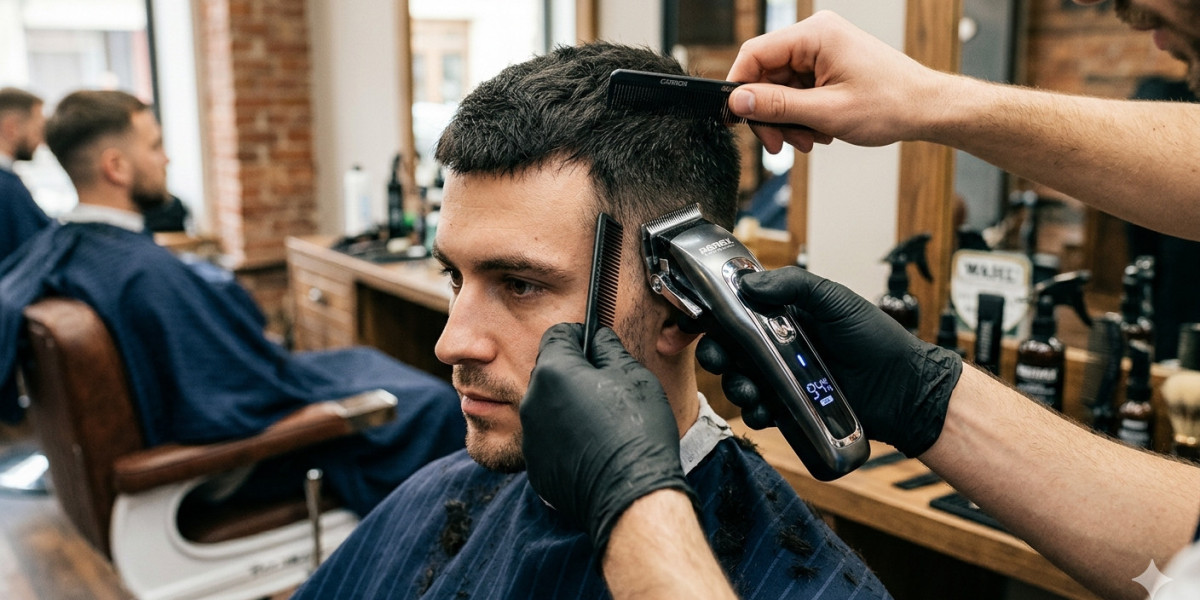

Hair Trimmer: The Complete Guide to Grooming at Home
In today’s fast-paced world, personal grooming has become an essential part of everyday life. Hair trimmers have emerged as indispensable tools for men and women alike, offering convenience, precision, and versatility. Whether it’s maintaining a neat beard, trimming sideburns, or managing body hair, a good hair trimmer can elevate your grooming routine from basic to professional. This guide dives deep into everything you need to know about hair trimmers, helping you make an informed decision and get the most out of your device.
What is a Hair Trimmer?
A hair trimmer is an electronic grooming device designed to cut, shape, and maintain hair at various lengths. Unlike traditional scissors, trimmers offer precise control, consistent results, and are generally safer for at-home use. They often come with adjustable combs or guides that allow users to achieve their desired hair length, making it suitable for detailed work on beards, mustaches, sideburns, and even hairlines.
Modern trimmers use advanced motor technology to provide smooth, snag-free cutting, while ergonomic designs ensure comfort during use. Some models are corded, offering uninterrupted power, while cordless versions provide mobility and flexibility, particularly for travel or quick touch-ups.
Key Benefits of Using a Hair Trimmer
A hair trimmer simplifies grooming significantly. The most apparent benefit is convenience. Regular visits to a barber or salon can be time-consuming and expensive. With a trimmer at home, you can maintain your preferred style at any time, ensuring you always look well-groomed.
Precision is another advantage. Trimmers allow for detailed shaping and trimming, giving you control over beard lines, mustache edges, or even body hair contours. Many devices come with multiple attachments or adjustable length settings, allowing for varied styles from short stubble to longer lengths.
Hygiene is also improved when you use your own trimmer. Shared grooming tools can harbor bacteria, but a personal trimmer ensures cleanliness and reduces the risk of skin irritation or infection.
Features to Look For
Choosing the right hair trimmer depends on several factors. The motor power is crucial for performance; high-speed motors provide smoother and faster cutting, particularly for thick or coarse hair. Blade material is another consideration, with stainless steel, titanium, and ceramic blades offering durability and sharpness. Some advanced trimmers come with self-sharpening blades, reducing maintenance requirements.
Adjustable length settings enhance versatility. Many trimmers offer removable combs or digital length adjustment to achieve different hair lengths. Cordless operation is convenient, but you should also consider battery life and charging time to ensure uninterrupted grooming. Waterproof or washable designs add an extra layer of convenience, allowing for easy cleaning and use in wet conditions, such as in the shower.
Ergonomics and design matter too. A lightweight, well-balanced trimmer reduces hand fatigue, making precise grooming easier. Some trimmers also include LED indicators for battery status or length settings, improving user experience.
How to Use a Hair Trimmer Effectively
Using a hair trimmer effectively starts with preparation. Clean and dry your hair to prevent clogging and ensure smooth cutting. Select the appropriate comb or length setting based on your desired style. Begin trimming slowly, working with the grain of the hair for a natural finish.
For detailed areas such as the neckline, sideburns, or mustache edges, use smaller attachments or no comb at all to maintain control. Regularly check your progress in the mirror to avoid uneven cuts.
Cleaning the trimmer after use is vital for longevity and performance. Remove hair debris from blades and attachments, and use the provided brush or rinse under water if the device is washable. Apply blade oil if recommended by the manufacturer to maintain sharpness and reduce friction.
Popular Uses for a Hair Trimmer
Hair trimmers are versatile tools that go beyond beard maintenance. Men can shape and maintain their beards, trim mustaches, and define hairlines with ease. Women often use trimmers for body hair management, including underarms, legs, and bikini lines, providing a convenient and less painful alternative to waxing or shaving.
Certain trimmers are also designed for scalp use, enabling short haircuts at home without the need for clippers or professional tools. Additionally, trimmers can be used for creative grooming styles, such as designing patterns or fades, which require precision and control.
Maintenance and Care
Maintaining your hair trimmer ensures consistent performance and longevity. Clean the blades and attachments regularly to remove hair and skin residues. For devices with washable components, rinse under running water and dry thoroughly. Avoid submerging non-waterproof trimmers to prevent motor damage.
Blade oil should be applied periodically to reduce friction and maintain sharpness. Store the trimmer in a dry, dust-free environment, preferably in its original case or pouch. Regular maintenance not only extends the life of the trimmer but also improves grooming results and hygiene.
Hair Trimmer vs. Hair Clippers
While trimmers and clippers are often used interchangeably, there are differences. Hair clippers are typically larger, more powerful, and designed for cutting longer hair quickly. Trimmers are smaller, more precise, and ideal for finishing touches, edging, and shorter hair lengths.
Trimmers excel in detailing work such as beard shaping or fine designs, whereas clippers are better for bulk hair removal. Some grooming kits include both devices for a complete solution, allowing users to manage all hair lengths and styles efficiently.
Common Mistakes to Avoid
One common mistake is using a trimmer with dull blades. Dull blades can pull hair, cause discomfort, and create uneven results. Regular cleaning and maintenance prevent this issue.
Another mistake is rushing the process. Trimming too quickly can result in mistakes or uneven cuts. Patience and steady movements are key, especially when working on detailed areas.
Using incorrect length settings can also affect outcomes. Always start with a longer setting and gradually reduce to achieve the desired hair length.
FAQs About Hair Trimmers
What is the difference between a trimmer and a shaver?
A trimmer cuts hair at a specific length without shaving it completely, making it suitable for styling and detailing. A shaver provides a close shave, removing hair entirely for smooth skin.
How often should I clean my hair trimmer?
Cleaning should be done after every use to remove hair buildup. Wash attachments if washable and apply blade oil periodically to maintain sharpness.
Can I use a hair trimmer on wet hair?
Some trimmers are designed for wet and dry use. Always check the manufacturer’s guidelines. Dry hair is generally easier to trim for precision, while wet trimming is more convenient for body hair.
Is a cordless trimmer better than a corded one?
Cordless trimmers offer mobility and convenience, but they require regular charging. Corded trimmers provide uninterrupted power, suitable for longer grooming sessions.
Can I trim body hair with a facial hair trimmer?
Yes, but ensure the trimmer has suitable attachments for sensitive areas. Some trimmers are specifically designed for body grooming.
Do I need to oil the blades?
Yes, applying blade oil reduces friction, prevents rust, and maintains sharpness, ensuring smooth and efficient trimming.
How long do hair trimmers last?
With proper maintenance, a quality trimmer can last several years. Blade replacement and battery care influence longevity.
Conclusion
A hair trimmer is more than just a grooming tool; it’s an investment in convenience, precision, and personal style. With the right trimmer, you can achieve professional-level results at home, maintain hygiene, and explore creative grooming styles. Whether for beard detailing, body hair management, or short haircuts, a well-chosen trimmer simplifies the process, saves time, and ensures consistently neat results. By understanding features, usage techniques, and maintenance, anyone can elevate their grooming routine and enjoy the confidence that comes with looking polished every day.