
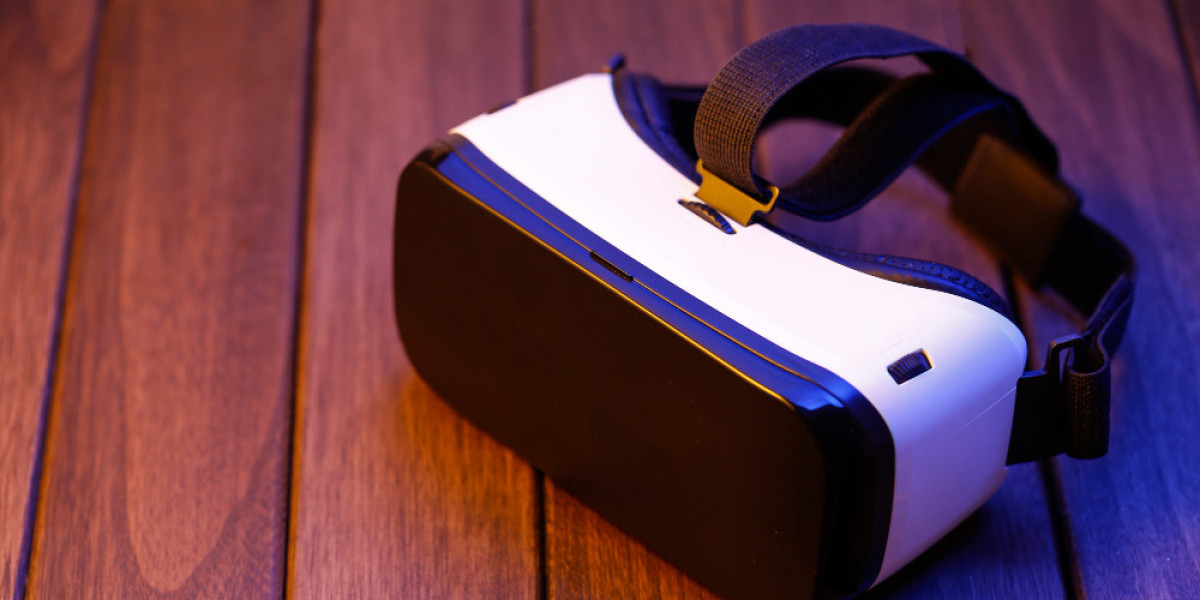

Virtual reality devices are becoming smaller, lighter, and more powerful as demand for immersive experiences continues growing. Modern VR headsets require advanced optical systems that deliver sharp visuals without increasing headset size or weight. This is why Pancake Optical Module technology is gaining attention in the VR and near-eye display industry.
Traditional VR optical systems often use bulky lens structures that make headsets heavy and uncomfortable for long-term use. Pancake optical modules solve this problem by folding the optical path inside the headset, helping manufacturers create thinner and more comfortable VR devices.
In this article, I will explain how Pancake Optical Module technology works, its key benefits, major applications, and why it is becoming a preferred optical solution for next-generation VR and mixed reality systems.
What Is a Pancake Optical Module?
A Pancake Optical Module is a compact optical system used in virtual reality and mixed reality headsets. It uses folded optical paths and polarized light reflection to reduce the physical distance between the display and lens system.
Unlike traditional Fresnel lens designs, Pancake optics allow headset manufacturers to build thinner and lighter wearable devices while maintaining high image quality. This technology is widely used in premium VR headsets and advanced near-eye display systems.
Pancake optical modules are commonly paired with Micro OLED displays and high-resolution imaging technologies for immersive visual experiences.
How Pancake Optical Module Works
A Pancake optical system folds light multiple times between polarized optical components and reflective surfaces before the image reaches the user’s eyes.
This folded optical path significantly reduces the thickness of the headset while preserving image magnification and visual clarity. The system typically includes polarizers, beam splitters, reflective coatings, and precision optical lenses.
By shortening the optical distance, Pancake modules help improve headset comfort and support compact industrial design.
Key Benefits of Pancake Optical Module Technology
Compact Headset Design
One major advantage of Pancake optical systems is the ability to reduce VR headset thickness and weight. This improves comfort during extended use.
Better Image Clarity
Advanced optical structures help reduce distortion and improve image sharpness across the viewing area.
Lightweight Wearable Experience
Smaller optical modules lower overall headset weight, reducing user fatigue during gaming, training, and professional applications.
Improved Visual Performance
Pancake optics support high-resolution displays and better pixel density for immersive VR experiences.
Modern Product Aesthetics
Compact optical modules allow manufacturers to design more stylish and portable VR and mixed reality devices.
Industries Using Pancake Optical Modules
Virtual Reality Gaming
Gaming companies use Pancake optical modules to improve immersion and user comfort in VR entertainment systems.
Mixed Reality Devices
Mixed reality headsets combine digital and real-world content using advanced compact optical systems.
Industrial Training
Manufacturing and engineering industries use VR training systems powered by lightweight near-eye optics.
Medical Simulation
Healthcare organizations use VR optics for surgical training, medical visualization, and remote collaboration.
Education and Research
Educational institutions use immersive VR technology for technical learning and scientific simulations.
Pancake Optical Module vs Traditional Fresnel Lenses
Traditional Fresnel lens systems require longer optical distances, which often increases headset size and weight. Pancake optical modules solve this challenge by folding the light path internally.
Pancake systems also reduce edge distortion and improve overall image quality. Although they may involve more complex optical engineering, they provide better comfort and modern headset design advantages.
Because of these benefits, many premium VR manufacturers are shifting toward Pancake optical technology for future headset development.
Important Factors Before Choosing a Pancake Optical Module
Display Compatibility
The optical module should support high-resolution displays such as Micro OLED or LCD panels.
Optical Efficiency
Efficient light transmission is important for maintaining display brightness and visual clarity.
Weight Reduction
Lightweight optical components improve headset comfort and long-term usability.
Lens Quality
Precision optical lenses help reduce distortion and improve immersive viewing performance.
Thermal Management
Compact VR devices require proper heat control for stable system operation.
Future Trends in Pancake Optical Module Technology
Pancake optical technology continues evolving alongside advancements in VR, AR, and mixed reality industries. Manufacturers are focusing on improving brightness, reducing optical loss, and increasing display resolution.
Future optical systems may integrate eye tracking, AI-powered interaction, and ultra-lightweight materials for improved user experiences. Advanced coatings and compact display technologies will further support thinner and more powerful VR devices.
As immersive technologies expand into education, healthcare, industrial automation, and entertainment, Pancake optical modules are expected to become a standard component in next-generation headsets.
Applications of Pancake Optical Modules in Modern Devices
Modern VR and MR devices demand compact and high-performance optical systems that deliver immersive visuals without sacrificing comfort. Pancake modules support these requirements through folded optics and efficient image projection.
These optical systems are especially useful in gaming headsets, enterprise collaboration tools, simulation platforms, and wearable entertainment devices. Their growing popularity reflects the industry’s shift toward lightweight and user-friendly immersive technologies.
The rapid expansion of the VR ecosystem will continue increasing the importance of Pancake optical modules worldwide.
Conclusion
Pancake Optical Module technology is helping transform modern VR and mixed reality devices through compact design, lightweight construction, and improved visual performance. Its ability to reduce headset size while maintaining image clarity makes it highly valuable for immersive wearable systems.
As VR and MR technologies continue advancing, Pancake optical modules will play an important role in future headset innovation. Businesses investing in advanced optical solutions can benefit from improved user comfort, better product design, and growing demand across multiple industries.