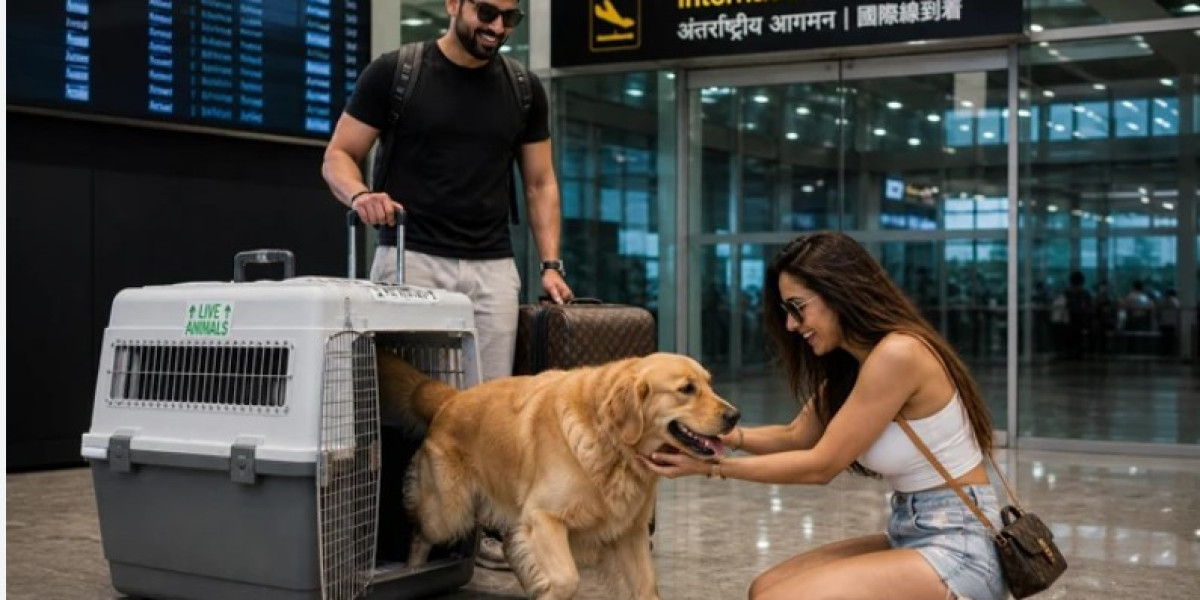

TL;DR: A professional pet travel service handles the complex logistics of transporting animals safely across domestic or international borders. These specialized companies manage veterinary health certificates, specific airline crate requirements, flight bookings, and secure ground transport. Hiring experts ensures a stress-free, compliant relocation process for pets and their owners.
Relocating to a new city or country requires meticulous planning. Moving your belongings is difficult enough, but transporting live animals adds an entirely different layer of complexity to the process. You have to consider flight temperatures, cargo hold safety, and a mountain of required paperwork.
A professional pet travel service removes the guesswork from this highly regulated process. These specialized agencies exist solely to ensure animals reach their destinations safely and legally. They work directly with commercial airlines, government agricultural departments, and licensed veterinarians to coordinate every step of the animal's journey.
Understanding how a pet travel service operates helps pet owners make informed decisions during a move. This guide breaks down exactly what these agencies do, the specific benefits they provide, and how to select a trustworthy partner for your pet's upcoming relocation.
Why should you hire a professional pet travel service?
Handling animal transportation independently often leads to denied boarding or extended quarantine periods. A pet travel service acts as a project manager for your animal's relocation. They understand the nuances of animal transport that most pet owners only encounter once or twice in a lifetime.
What are the airline regulations for transporting pets?
Airlines change their animal transport policies frequently based on weather patterns, staffing shortages, and aircraft types. A pet travel service tracks these fluctuating regulations daily. They know exactly which airlines accept live animals as cargo, which carriers prohibit specific breeds, and the exact dimensions required for International Air Transport Association (IATA) compliant travel crates. Instead of spending hours on hold with airline customer service representatives, pet owners can rely on the agency to secure appropriate flight routing.
How do international pet import requirements work?
Moving animals across international borders involves strict government oversight. Different countries require different combinations of rabies vaccinations, ISO-compatible microchips, blood titer tests, and import permits. For example, moving a dog to Australia or New Zealand requires months of preparation and strict adherence to biosecurity laws. A pet travel service provides a clear timeline for veterinary appointments and ensures all government health certificates are endorsed by the correct regulatory bodies, such as the USDA in the United States.
How much does a pet travel service cost?
The cost of animal transportation varies drastically based on the destination, the size of the animal, and the level of service required. Domestic moves within the United States generally cost between $500 and $1,500. International relocations are significantly more expensive, often ranging from $2,000 to over $6,000 per animal.
Choose a full-service package if you need assistance with custom crate building, home pickup, veterinary visits, and customs clearance at the destination. Choose a basic routing package if you only need help booking the flight and reviewing the final paperwork. While the upfront cost may seem high, the investment prevents expensive delays, missed flights, and extended boarding fees caused by improper documentation.
How to choose the best pet travel service for your needs
Not all animal transport companies operate with the same standards of care. When evaluating a pet travel service, prioritize agencies that hold memberships with recognized industry organizations, such as the International Pet and Animal Transportation Association (IPATA). IPATA members must adhere to strict ethical guidelines and safety protocols.
Request detailed quotes from at least three different companies. Review their communication style during the consultation phase. A trustworthy pet travel service will ask detailed questions about your pet's age, medical history, breed, and temperament before providing a price estimate. Avoid any company that guarantees a completely risk-free flight, as commercial air travel always carries inherent, unavoidable variables.
Ensuring a safe journey for your furry family members
Transporting a beloved pet is inherently nerve-wracking. By partnering with a qualified pet travel service, owners can focus on their own moving logistics while experts handle the animal's itinerary. Properly preparing the paperwork, securing an IATA-compliant travel crate, and trusting an experienced agency significantly reduces the anxiety associated with pet relocation.
Frequently Asked Questions
How far in advance should I book a pet travel service?
You should contact a pet travel service at least one month before a domestic move and three to six months before an international move. Some countries require rabies titer tests that take several months to process before the animal is eligible for import.
Can a pet travel service help transport snub-nosed dog breeds?
Yes, but options are limited. Many major airlines completely embargo brachycephalic (snub-nosed) breeds like Pugs, French Bulldogs, and Persian cats due to respiratory risks in flight. A specialized agency can help identify the few cargo airlines that still accept these breeds or arrange alternative ground transportation.
Are pet travel services safe for senior animals?
Pet travel services can safely transport senior animals, provided the pet is healthy enough to fly. The agency will require a thorough examination and a letter of acclimation from a licensed veterinarian confirming the older animal can withstand the stress and temperature variations of commercial air travel.