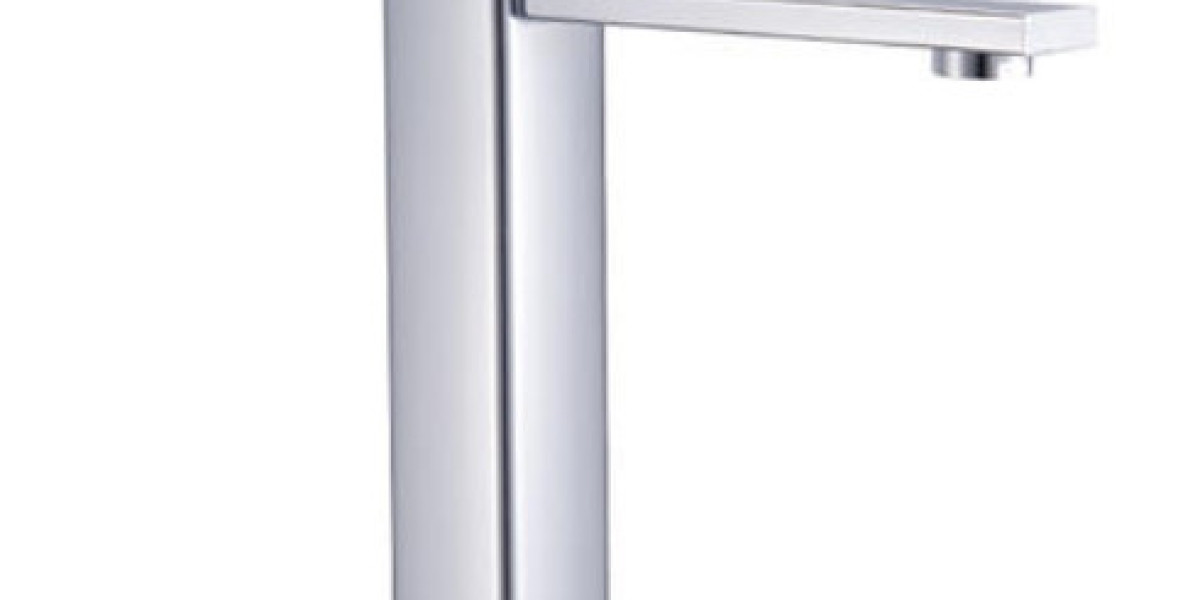

Kitchen activities happen continuously throughout the day, from preparing breakfast and washing vegetables to cleaning cookware after dinner. While people often focus on cabinets, countertops, and appliances when planning a kitchen space, smaller functional components also influence daily routines. Kitchen sink tapware is one of those elements that combines utility, appearance, and comfort within a working environment.
Modern kitchen spaces are no longer viewed only as areas for cooking. Many homes use the kitchen as a place where family members gather, communicate, and spend time together. Because of this change, kitchen sink tapware has gradually become more than a simple water outlet. It now plays a role in shaping workflow and supporting different household activities.
One aspect that affects the use of kitchen sink tapware is its structure. Different faucet designs provide different experiences during daily operation. Some models include a pull-out spray function that allows users to rinse fruits, wash corners of the sink, or direct water toward large containers. Others use a pull-down arrangement that creates a different movement path during use. These structural variations allow users to choose products that fit their cooking habits and kitchen layouts.
Material selection also contributes to performance and appearance. Stainless steel remains a common option because of its resistance to moisture and frequent use. Brass materials are also used in kitchen sink tapware manufacturing because they provide durability and support different finishing methods. Surface treatments such as brushed textures, matte coatings, or polished appearances can create different visual effects within kitchen environments.
Installation style can also influence overall kitchen planning. Some kitchens use deck-mounted kitchen sink tapware attached directly to the countertop or sink surface. Others apply wall-mounted designs that create additional space around the sink area. The selected arrangement often depends on plumbing conditions, design preferences, and available space.
Water flow control has also developed with changing household expectations. Certain kitchen sink tapware products include single-handle operation that allows users to adjust temperature and water volume with one movement. This design can simplify use during cooking activities, particularly when hands are occupied with ingredients or utensils.
As residential design continues to evolve, homeowners often seek products that connect function with visual consistency. Kitchen sink tapware contributes to this balance by supporting practical tasks while becoming part of the overall kitchen atmosphere. Although it may appear to be a small component, its influence can be noticed repeatedly during everyday routines.
Ubicación del Autor
London, Reino Unido