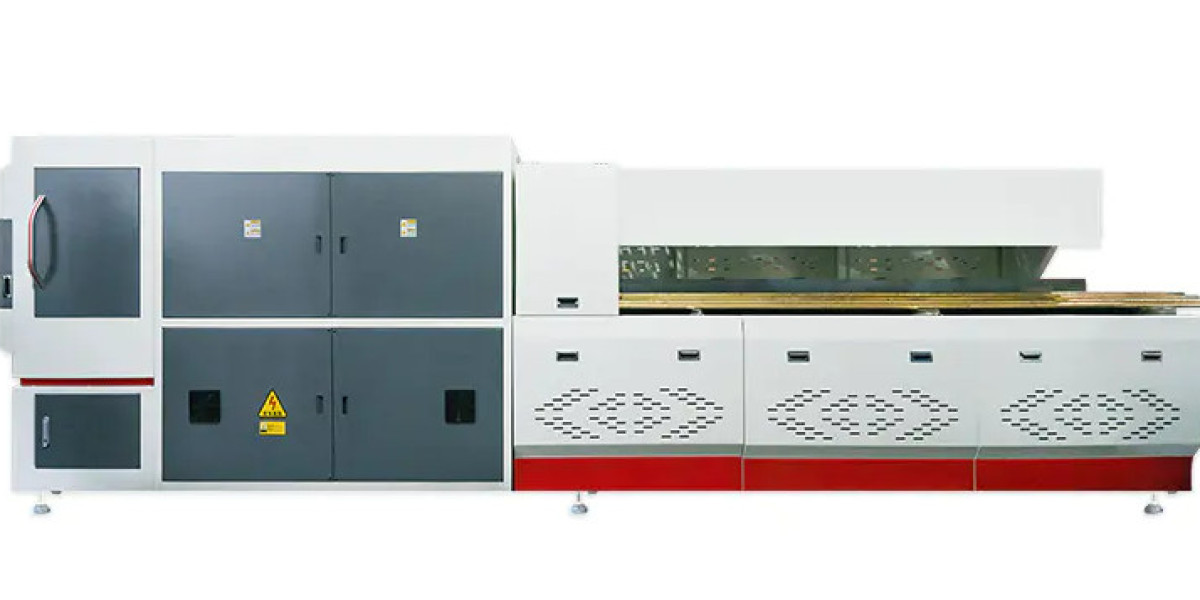

Material behavior significantly influences manufacturing processes, especially in metal forming operations. The Brass Hot Die Forging Machine depends on controlled material characteristics to create components with stable shapes and repeatable dimensions. Understanding the relationship between brass properties and forging conditions helps manufacturers manage production more effectively.
Brass consists mainly of copper and zinc, although additional elements may be included depending on application requirements. Different alloy compositions influence strength, ductility, corrosion behavior, and thermal characteristics. These factors affect how materials respond inside a Brass Hot Die Forging Machine during heating and deformation stages.
When brass is heated, the material becomes softer and more suitable for shaping. Increased temperature allows metal particles to move more easily under applied pressure. This condition supports material flow into die cavities with complex contours and varying thicknesses.
However, material response is not controlled by temperature alone. Grain structure within the brass also influences forging behavior. Smaller and more uniform grain arrangements can contribute to stable deformation patterns during forming. Manufacturers often consider material consistency before beginning production runs.
The Brass Hot Die Forging Machine applies force that changes the original shape of the material. During this process, internal structures may reorganize according to pressure direction and deformation characteristics. This transformation can contribute to stronger connections between metal particles and may influence the mechanical performance of finished products.
Different applications require different brass alloys. Plumbing fittings may require particular corrosion resistance characteristics, while electrical connectors may emphasize conductivity-related considerations. Industrial hardware products may focus on wear resistance or structural durability.
Surface conditions also affect production results. Clean material surfaces support better contact with tooling and reduce the possibility of contamination during processing. Some facilities include cleaning or preparation stages before heating operations begin.
Manufacturers also pay attention to lubrication conditions. Although hot forging relies heavily on material temperature, lubricants may reduce friction between the brass and die surfaces. Lower friction can help material move more smoothly and reduce wear on tooling components.
The interaction between material properties and machine operation creates a balance that influences productivity and product quality. Engineers frequently adjust process parameters according to alloy type and part geometry.
As manufacturing technologies continue evolving, understanding the material science behind the Brass Hot Die Forging Machine remains important for supporting reliable and adaptable production environments.
Ubicación del Autor
London, Reino Unido